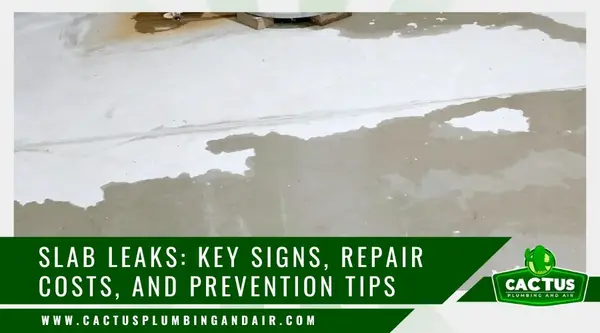
A slab leak is a plumbing leak that occurs beneath a home's concrete foundation. If left unchecked, slab leaks can cause serious damage and lead to high repair costs. View our latest plumbing projects to see how our team handles slab leak repairs and other solutions effectively. This guide covers the main signs of a slab leak, explains what causes them, breaks down repair costs, and offers tips to prevent future leaks.
- What Is a Slab Leak? Key Facts and Risks
- Causes of Slab Leaks and Why They Happen
- Pipe Corrosion
- High Water Pressure
- Shifting Soil and Soil Conditions
- Signs and Symptoms of a Slab Leak
- Why Ignoring a Slab Leak Can Be Costly
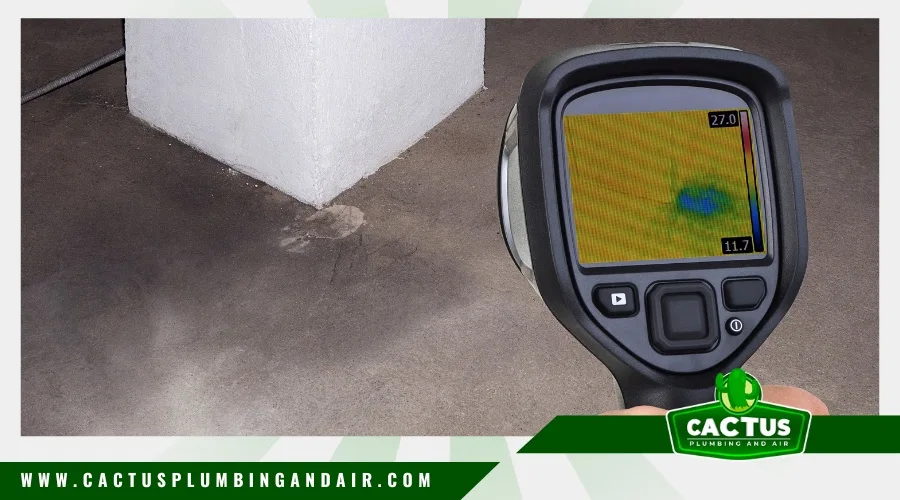
- How Do Plumbers Detect Slab Leaks?
- Water Meter Check
- Pressure Testing
- Electronic Leak Detection
- DIY vs. Professional Slab Leak Detection Techniques
- Slab Leak Repair Options Explained
- Understanding the Average Slab Leak Repair Cost
- Is Slab Leak Repair Covered by Insurance?
- Tips for Reducing Future Slab Leak Risks
- Protect Your Home from Slab Leak Damage
- Frequently Asked Questions
- How serious is a slab leak?
- What causes slab leaks?
- Does homeowners insurance cover slab leaks?
- What's the best way to detect a slab leak?
- How long can a slab leak go undetected?
- Get Professional Help for Your Slab Leak Repair Needs
What Is a Slab Leak? Key Facts and Risks
A slab leak happens when water pipes under the concrete foundation start leaking. This leak can damage the foundation, increase water bills, and even cause mold and mildew. Slab leaks are often hard to detect, making it crucial for homeowners to understand the warning signs and act quickly.
Slab leaks can occur in both hot and cold water lines, though hot water leaks are easier to notice because they often create warm spots on the floor. Common risks of slab leaks include:
- Foundation Damage: Water from leaks can erode the soil, leading to foundation shifts or cracks.
- Increased Repair Costs: The longer a slab leak goes undetected, the more costly the repair will be.
- Mold and Mildew: Excess moisture can promote mold growth, which impacts indoor air quality and can lead to health issues.

Causes of Slab Leaks and Why They Happen
Understanding why slab leaks happen can help identify and prevent them. Below are some of the primary causes.
Pipe Corrosion
Pipes under the slab can corrode over time, especially if made of materials like cast iron or galvanized steel. When pipes are exposed to certain chemicals or changes in pH levels, they can break down, eventually causing leaks.
High Water Pressure
Excessive water pressure can strain pipes, making them more prone to leaks. In older plumbing systems, it can also lead to pipe bursts and leaks under the slab.
Shifting Soil and Soil Conditions
Soil movement is a major cause of slab leaks, especially in regions with expansive soil like Texas. When the ground around a home's foundation expands or contracts due to moisture changes, it can pressure the pipes, leading to cracks and leaks over time.
Signs and Symptoms of a Slab Leak
Knowing the symptoms of a slab leak can help homeowners act before the problem worsens. Here are some common warning signs:
- Increased Water Bills: A sudden spike in your water bill without extra water usage could indicate a leak.
- Damp or Warm Spots on Floors: Unusual warm or wet areas on the floor can indicate a slab leak, especially if you don't have radiant floor heating.
- Low Water Pressure: If water drops significantly, water may leak before reaching the faucet.
- Sounds of Running Water: Hearing water running when no taps are on can indicate an underground leak.
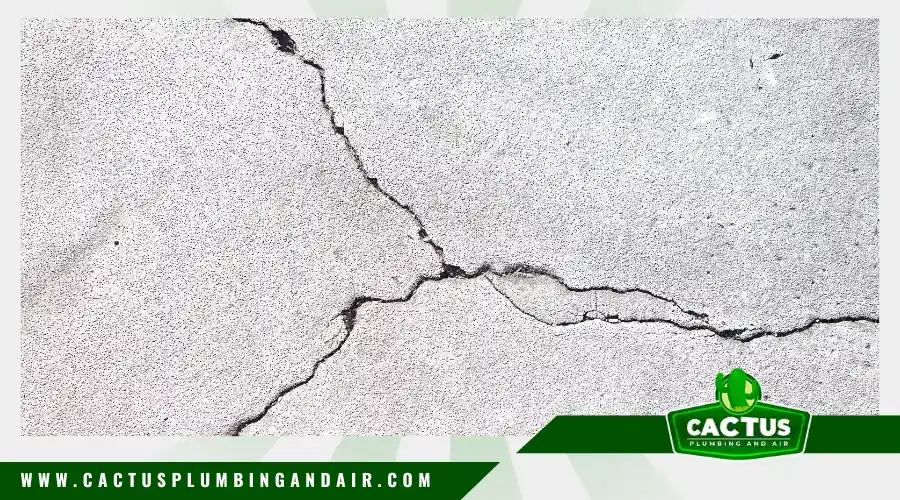
- Cracks in Walls or Flooring: Foundation damage from leaks can cause cracks in walls, floors, or baseboards.
Why Ignoring a Slab Leak Can Be Costly
Slab leaks can cause significant issues if addressed. Here's why acting quickly is important.
- Foundation Damage: Water leaking under the foundation can erode the soil, causing the foundation to shift, settle unevenly, or crack. Over time, this may require extensive foundation and plumbing system repairs.
- High Repair Costs: The longer a slab leak goes unnoticed, the higher the repair cost. Damage spreads over time, and delayed repairs may require pipe fixes and structural repairs.
- Health Risks from Mold and Mildew: Moisture from a slab leak can create a humid environment where mold and mildew grow. This poses health risks, especially for those with respiratory issues. Mold can also spread, impacting walls, flooring, and furniture.
- Rising Water Bills: Uncontrolled leaks can lead to higher monthly water bills. Even a small leak wastes gallons of water, increasing costs over time.
How Do Plumbers Detect Slab Leaks?
Professional plumbers use various methods to detect slab leaks accurately. Here are some common techniques:
Water Meter Check
A simple way to check for leaks is through a water meter test. Plumbers shut off all water-using appliances and fixtures, then monitor the meter. A leak may be present if it continues moving, even if hidden.
Pressure Testing
Plumbers can perform pressure tests to find a leak in the plumbing system. By isolating specific piping sections and measuring the pressure, they can determine if a leak exists and where it might be located.
Electronic Leak Detection
Using advanced sound-based tools, plumbers can pinpoint leaks without breaking through the slab. This method picks up the sound of leaking water, making it ideal for hard-to-access leaks beneath concrete.
DIY vs. Professional Slab Leak Detection Techniques
Some homeowners attempt to detect slab leaks, but DIY methods have limitations compared to professional tools. Here's a comparison:
| Method | Effectiveness | Description |
| Water Meter Check | Moderate | Homeowners can turn off fixtures and check the meter. |
| Listening for Water | Low | Simple DIY method but limited in accuracy. |
| Professional Detection | High | Plumbers use advanced tools to locate leaks. |
- Water Meter Check: This is the most accessible DIY method, as any homeowner can shut off fixtures and check the meter. However, it doesn't indicate the exact location of the leak.
- Listening for Running Water: Homeowners can listen for the sound of running water when no taps are on, which can suggest a leak. But this method isn't precise and doesn't work if the leak is small or quiet.
- Professional Electronic Leak Detection: Unlike DIY methods, professional leak detection tools accurately identify the leak's location. This accuracy allows for minimal disruption and faster repair.

Slab Leak Repair Options Explained
Below is a comparison of common slab leak repair methods, highlighting pros, cons, cost, and other important factors.
| Repair Method | Pros | Cons | Effectiveness | Invasiveness | Maintenance |
| Spot Repair | - Directly addresses the specific leak- Fast and effective for isolated leaks | - Requires breaking through the slab, which can be disruptive- Not ideal for multiple leaks | High for single leaks | High (involves concrete breaking) | Low once repaired but may need follow-up if other leaks develop |
| Epoxy Pipe Coating | - Non-invasive - Suitable for smaller leaks |
- Not ideal for heavily damaged pipes or multiple leaks | Moderate for minor leaks | Low (no slab penetration) | Minimal, with periodic inspection |
| Pipe Rerouting | - Avoids future slab leaks by redirecting pipes | - Higher cost and may require construction work inside the home | Very effective | Moderate (new pipes through walls/ceilings) | Low with quality materials |
| Trenchless Repair | - Minimal disruption - Preserves surrounding structure |
- Requires specialized equipment; costs can be high | High for extensive leaks | Low to moderate (minimal digging) | Low, ideal for long-term durability |
Understanding the Average Slab Leak Repair Cost
The expense of repairing a slab leak depends on several factors, including the location of the leak, the chosen repair method, and the extent of the damage. Here's an overview of different repair options and what they typically involve:
- Spot Repair: This method focuses on fixing the leak at a specific location by breaking through the concrete slab, accessing the damaged pipe, and patching the area. Although effective, it requires concrete removal and restoration, which can increase the overall labor effort.
- Epoxy Coating: Epoxy coating seals the inside of the leaking pipe with a specialized coating, often without breaking through the slab. It's less invasive than other methods and ideal for isolated leaks, but it requires specialized equipment and technicians experienced in epoxy application.
- Pipe Rerouting: In cases where the leak is extensive or located in multiple areas, rerouting may be the best solution. This method bypasses the damaged sections and involves installing new piping along more accessible areas. Rerouting can be more complex, especially if pipes must be redirected through walls or ceilings.
- Trenchless Repair Options: Trenchless methods like pipe bursting or lining allow for repairs with minimal disruption. These techniques are popular for extensive repairs since they require less demolition and preserve more of the surrounding structure.
Is Slab Leak Repair Covered by Insurance?
Slab leak repairs can be costly, so many homeowners wonder if insurance will cover the expense. Here's what to know:
- Coverage for Sudden vs. Gradual Leaks: Most homeowners' insurance policies cover sudden and accidental leaks but may exclude coverage for gradual leaks, which are often considered a maintenance issue.
- Structural Damage: If a slab leak causes extensive damage, some policies, depending on the policy terms, might cover repairs to walls, floors, or the foundation.
- Check for Sub-Limits: Some policies set a sub-limit on foundation or plumbing repairs, meaning coverage is capped at a certain amount. Review your policy or contact your provider to understand specific limits.
Tips for Reducing Future Slab Leak Risks
Preventing slab leaks can save you time, stress, and money. Here are some practical tips to help reduce the chances of a slab leak in your home.
- Regular Plumbing Inspections: Schedule annual inspections with a licensed plumber to catch early signs of wear, corrosion, or leaks.
- Control Water Pressure: Ensure your home's water pressure is set within safe limits to reduce stress on pipes.
- Maintain Soil Moisture Levels: If your home is built on expansive soil, use soaker hoses around the foundation during dry spells to maintain consistent soil moisture. This helps prevent soil from contracting and shifting, which can pressure pipes.
- Address Small Leaks Promptly: Fix minor plumbing issues as soon as they're detected. Ignoring small leaks can lead to larger, costlier problems over time.
- Use Quality Materials: If you're doing renovations or plumbing upgrades, use high-quality, corrosion-resistant materials to help reduce the risk of leaks.
Protect Your Home from Slab Leak Damage
Slab leaks can cause significant issues if not addressed promptly, from structural damage to costly repairs. Recognizing the signs early, understanding repair options, and taking preventive measures can make a big difference in maintaining your home's foundation and plumbing. For homeowners, working with trusted professionals like Cactus Plumbing And Air ensures that slab leaks are handled effectively and safely. You can keep your home secure and avoid future issues with the right approach.
Frequently Asked Questions
How serious is a slab leak?
If left unaddressed, a slab leak can cause significant structural damage to your home's foundation and lead to costly repairs. It can also cause mold and mildew growth, affecting indoor air quality.
What causes slab leaks?
Slab leaks can result from various factors, including pipe corrosion, soil shifting, poor installation, and high water pressure. Older pipes or materials prone to corrosion are especially vulnerable.
Does homeowners insurance cover slab leaks?
Insurance coverage depends on the cause of the leak and your policy's terms. Many policies cover sudden and accidental leaks, while gradual damage may not be covered.
What's the best way to detect a slab leak?
Professional plumbers use methods like electronic leak detection, pressure testing, and video inspection to locate slab leaks accurately. These tools are more precise than DIY techniques.
How long can a slab leak go undetected?
A slab leak can go unnoticed for weeks, months, or even years without visible signs. Regular inspections and monitoring of water bills can help detect leaks early.
Get Professional Help for Your Slab Leak Repair Needs
If you suspect a slab leak or need expert repair services, contact Cactus Plumbing And Air. As a trusted plumber Surprise, our skilled team uses advanced leak detection tools and offers a range of effective repair options to protect your home. Contact us today for reliable slab leak solutions to prevent further damage and ensure peace of mind.
Recent Posts
-

How to Unclog a Bathroom Sink
Nov 23, 2025 -
What is a Sewer Cleanout and How to Locate It
Oct 27, 2025