Plumbing maintenance prevents costly repairs and keeps it running efficiently. Many homeowners don't think about plumbing until a problem arises, but routine maintenance can help you avoid major issues.
A well-maintained plumbing system saves you time, money, and hassle. Regular plumbing maintenance can:
- Catch small issues before they turn into big problems
- Extend the life of pipes, fixtures, and water-using appliances
- Conserve water and energy, reducing utility bills
This guide will break down daily, weekly, and seasonal plumbing maintenance tasks. Whether you're checking for leaks or learning when to call a professional, these tips will help you keep your plumbing system running smoothly. Plus you get a FREE downloadable plumbing maintenance checklist at the end of this article.
- Daily Plumbing Maintenance Tips
- Weekly Plumbing Maintenance Tasks to Catch Small Issues
- Monthly Plumbing System Maintenance Essentials
- Seasonal Plumbing Maintenance Checklist
- Spring and Summer
- Fall and Winter
- Preventing Clogs with Drain Covers and Safe Cleaning Methods
- How to Maintain Fixtures and Water-Using Appliances
- Managing Water Pressure for Plumbing Health
- When to Call a Professional for Plumbing System Maintenance
- Creating Your Personalized Plumbing Maintenance Schedule
- The Value of Consistent Plumbing Maintenance
- Frequently Asked Questions
- What is routine plumbing maintenance?
- How often should I schedule professional plumbing maintenance?
- Can I handle plumbing maintenance myself?
- What's the best way to prevent drain clogs?
- How do I know if my plumbing system needs an upgrade?
- Ensure Reliable Plumbing Maintenance with Cactus Plumbing And Air
Daily Plumbing Maintenance Tips
Small daily habits go a long way in preventing plumbing issues. Follow these simple daily tips to avoid common problems like clogs and leaks.
- Be mindful of what goes down the drains: In the kitchen, avoid pouring grease, oil, and food scraps down the sink. Only flush toilet paper and waste in the bathroom—never items like wipes, sanitary products, or cotton swabs.
- Use your garbage disposal properly: Run cold water before and after using the disposal to help food waste flow smoothly. Avoid fibrous foods like celery and potato peels, which can clog the disposal.
- Rinse bathroom fixtures with hot water: Rinse sinks, showers, and bathtubs once a day to help clear any buildup that could lead to clogs.
These daily tasks help prevent blockages and keep your plumbing system in good condition, reducing the need for frequent repairs.
Weekly Plumbing Maintenance Tasks to Catch Small Issues
Weekly plumbing maintenance helps you spot and address minor issues before they become bigger problems. Set aside a few minutes each week to check for potential plumbing issues around your home.
- Inspect for leaks under sinks and around fixtures: Look for water stains, puddles, or musty odors under kitchen and bathroom sinks. Even a small drip can waste water and increase your bills.
- Check drain speed: Run water in sinks, showers, and tubs to see if it drains smoothly. Slow drainage can indicate a partial clog that needs attention. Try a safe DIY method like a mix of baking soda and vinegar if the drain is slow.
- Test faucets and showerheads for leaks: Turn on each faucet and check that no water leaks from handles or valves. A steady drip from a faucet or showerhead wastes water and may require a new washer or O-ring.
Completing these weekly tasks helps keep your plumbing system working effectively and allows you to catch issues early.
Monthly Plumbing System Maintenance Essentials
Monthly maintenance tasks are key for keeping your plumbing system in top condition. These checks allow you to address any issues that may not be immediately visible.
- Check all exposed pipes and fittings: Inspect pipes under sinks, in the basement, or any other visible areas for signs of wear, corrosion, or leaks. Look for rust, warping, or water droplets on the outside of pipes—these are signs that repairs may be needed.
- Inspect water pressure: Too much or too little water pressure can strain your plumbing. Use a pressure gauge on an outdoor spigot to ensure your water pressure falls between 40 and 60 psi. High pressure may require a regulator, while low pressure may indicate a blockage.
- Flush the water heater: Sediment buildup in the water heater can cause inefficiency and shorten its lifespan. Flushing the tank once a month helps clear out minerals, reducing strain on the heater. If you hear a banging noise from the heater, it's a sign that sediment has accumulated and flushing is overdue.
Regular monthly checks help maintain plumbing system efficiency, prevent leaks, and avoid sudden failures that could lead to costly repairs.
Seasonal Plumbing Maintenance Checklist
Each season brings different plumbing maintenance needs. Use this seasonal checklist to prepare your system for weather changes and ensure it's functioning well year-round.
Spring and Summer
Spring and summer are ideal for outdoor plumbing maintenance and preparing your system for warmer weather.
- Inspect outdoor faucets and hoses: After winter, check outdoor faucets for drips or leaks. If you notice any leaks, consider repairing them before using the hose or sprinklers extensively.
- Clean and test sprinkler systems: Run sprinklers to ensure even water flow and adjust heads as needed. Repair or replace any damaged sprinkler heads before summer use.
- Clear gutters and downspouts: Clear out any winter debris to prevent blockages. This prevents water from pooling around the foundation, which can lead to plumbing issues indoors.
Fall and Winter
Cold weather can be hard on your plumbing system, so preparing for winter is essential.
- Disconnect and drain outdoor hoses: Leaving hoses connected in cold weather can cause water to freeze, which may lead to burst pipes. Disconnect hoses and drain any outdoor lines.
- Insulate exposed pipes: Wrap pipes in unheated areas, like garages, crawl spaces, and basements, with insulation to prevent freezing. For extremely cold climates, use heat tape around pipes at higher risk of freezing.
- Drip faucets during freezing temperatures: If temperatures drop below freezing, let faucets drip slightly to prevent pipes from freezing. This keeps water moving, reducing the risk of pressure buildup that can lead to burst pipes.
Preparing your plumbing for seasonal changes protects it from temperature extremes and helps prevent expensive repairs.
Preventing Clogs with Drain Covers and Safe Cleaning Methods
Clogs are one of the most common plumbing issues homeowners face. Regular preventive steps can help keep drains clear and avoid costly repairs.
- Install mesh drain covers: Place mesh covers on all sink, shower, and bathtub drains to catch hair, soap chips, and other debris. This prevents buildup that leads to blockages.
- Use safe, natural drain cleaners: Avoid chemical drain cleaners, as they can corrode pipes over time. Instead, pour a mixture of baking soda and vinegar down the drain, followed by hot water. This natural method helps clear minor clogs without damaging pipes.
- Flush drains with hot water weekly: Running hot water down drains weekly helps break down buildup from soap, grease, and other residues. This simple step keeps water flowing smoothly and prevents gradual clogs.
Taking these steps can significantly reduce the chances of clogged drains and keep your plumbing system running efficiently.
How to Maintain Fixtures and Water-Using Appliances
Regular maintenance of your plumbing fixtures and water-using appliances, like the water heater and dishwasher, keeps your system efficient and prevents leaks or malfunctions.
- Clean showerheads and faucets: Over time, mineral deposits can clog showerheads and faucets, reducing water flow. To remove buildup, unscrew the fixtures and soak them in vinegar overnight. Rinse thoroughly before reattaching.
- Inspect and clean your dishwasher and washing machine hoses: Hoses for these appliances can develop cracks or leaks. Check hoses monthly for signs of wear and replace them every five years to prevent unexpected leaks.
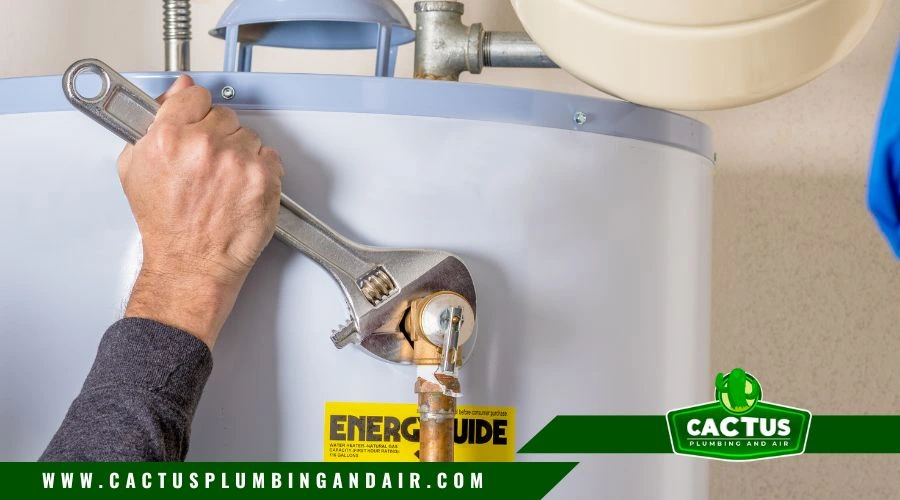
- Flush your water heater: Once a year, flush your water heater to remove sediment from the bottom of the tank. Sediment buildup can lower heating efficiency and shorten the appliance's lifespan. To flush, turn off the heater, connect a hose to the drain valve, and let water flow until it runs clear.
Keeping your fixtures and appliances clean and free from buildup ensures steady water flow and reduces the chance of leaks and costly repairs.
Managing Water Pressure for Plumbing Health
Balanced water pressure is key to a healthy plumbing system. High pressure can strain pipes and fixtures, leading to leaks, while low pressure may indicate a blockage or other issue.
- Test water pressure regularly: Use a water pressure gauge, available at most hardware stores, to test your home's water pressure. Attach it to an outdoor spigot, and ensure it reads between 40 and 60 psi. Pressure over 60 psi is high and may require a pressure regulator.
- Install a pressure regulator if needed: If your water pressure is consistently high, installing a pressure regulator can help protect your pipes and fixtures. This device reduces water pressure automatically, preventing stress on your plumbing system.
- Check pressure after installing new appliances or fixtures: New water-using appliances can affect pressure levels. After installation, test water pressure to ensure it's still within a safe range.
Managing water pressure keeps your plumbing system protected, reduces wear on fixtures, and helps prevent unexpected leaks or bursts.
When to Call a Professional for Plumbing System Maintenance
While regular DIY maintenance is essential, certain plumbing tasks are best left to licensed professionals. Knowing when to call a plumber can prevent minor issues from becoming costly repairs.
- Persistent or frequent leaks: If you have recurring leaks or if your DIY fixes aren't lasting, a plumber can identify and repair underlying issues.
- Sewer line issues: Slow drains throughout the home or foul odors can indicate a problem with the main sewer line. A professional plumber can inspect the line and remove any blockages safely.
- Water heater problems: If your water heater isn't heating efficiently or makes unusual noises after regular maintenance, it may need professional repair or replacement.
- Pipe corrosion or aging systems: If your home has older plumbing or visible signs of rust and corrosion, a plumber can assess whether it's time for an upgrade or replacement.
Calling a professional for these issues not only protects your plumbing system but also prevents potential water damage and costly emergencies.
Creating Your Personalized Plumbing Maintenance Schedule
A personalized maintenance schedule keeps your plumbing system running smoothly and reduces the risk of unexpected repairs. Setting reminders for daily, weekly, monthly, and seasonal tasks ensures you cover all aspects of your plumbing maintenance.
- Daily tasks: Follow basic daily habits, such as using drain covers and avoiding improper disposal of items.
- Weekly tasks: Inspect for leaks, test drain speed, and check faucets for drips.
- Monthly tasks: Examine exposed pipes, check water pressure, and flush your water heater if needed.
- Seasonal tasks: Winterize outdoor faucets in fall, inspect hoses and sprinklers in spring, and ensure pipes are insulated during winter.
This structured approach helps you stay on top of maintenance and prevent costly issues. Customizing it to your home's unique needs ensures comprehensive plumbing care.
The Value of Consistent Plumbing Maintenance
Regular plumbing maintenance protects your home from expensive repairs and keeps water flowing smoothly. By performing simple tasks daily, weekly, and seasonally, you can prevent major issues, conserve water, and extend the life of your plumbing system. Following a checklist like this one will help you spot minor problems early and avoid unexpected breakdowns.
Consistent maintenance saves you money in the long run and gives you peace of mind knowing your plumbing system is in top shape.
Download the free Plumbing Maintenance Checklist
Frequently Asked Questions
What is routine plumbing maintenance?
Routine maintenance involves regular checks for leaks, cleaning drains, testing water pressure, and inspecting fixtures to prevent major issues.
How often should I schedule professional plumbing maintenance?
Annual inspections by a licensed plumber are recommended to catch hidden problems early and keep your plumbing system efficient.
Can I handle plumbing maintenance myself?
Yes, basic tasks like checking for leaks, using safe cleaning methods for drains, and maintaining fixtures are manageable for most homeowners. However, complex tasks may need professional help.
What's the best way to prevent drain clogs?
Using mesh covers on drains, avoiding grease and hair buildup, and cleaning drains with baking soda and vinegar can prevent clogs.
How do I know if my plumbing system needs an upgrade?
Frequent leaks, rusty pipes, and fluctuating water pressure may indicate that your plumbing system needs professional assessment and potential upgrades.
Ensure Reliable Plumbing Maintenance with Cactus Plumbing And Air
Regular maintenance is essential for a reliable and efficient plumbing system. If you're looking for a trusted plumber Scottsdale residents can trust, call Cactus Plumbing And Air. Our skilled professionals are ready to handle inspections, repairs, and maintenance for every plumbing need, keeping your home's plumbing in top condition all year.
Recent Posts
-

How to Unclog a Bathroom Sink
Nov 23, 2025 -
What is a Sewer Cleanout and How to Locate It
Oct 27, 2025