


Maintaining your tankless water heater can extend its lifespan, improve efficiency, and reduce costly repairs. Unlike traditional water heaters, tankless systems require specific maintenance steps to keep them working at their best. Regular upkeep prevents common issues like mineral buildup, clogged filters, and reduced water flow, which can lower performance and even lead to a water heater leaking. This guide provides all the essential tankless water heater maintenance tips you need to keep your tankless water heater running smoothly and efficiently.
- How Often to Maintain Your Tankless Water Heater
- Ideal Maintenance Frequency for Efficiency
- Signs Your Water Heater Needs Immediate Maintenance
- DIY Tankless Water Heater Maintenance Tips
- Step-by-Step Guide for Cleaning and Descaling
- Benefits of Regular Tankless Water Heater Maintenance
- Cost Savings and Energy Efficiency Benefits
- How Maintenance Extends the Heater's Lifespan
- Common Mistakes to Avoid in Tankless Water Heater Maintenance
- Issues from Skipping Maintenance Routines
- Warranty Considerations for DIY Maintenance
- Professional vs DIY Tankless Water Heater Service
- When to Hire a Professional for Maintenance
- Essential Tools for DIY Tankless Heater Cleaning
- Maintenance Checklist for Tankless Water Heaters
- Key Tasks for Monthly and Annual Maintenance
- Recommended Products for Effective Maintenance
- Keep Your Tankless Water Heater Maintained
- Frequently Asked Questions
- Can I perform tankless water heater maintenance myself?
- How do I know if my tankless water heater has mineral buildup?
- Does regular maintenance affect the heater's warranty?
- What's the difference between descaling and flushing?
- How long does tankless water heater maintenance usually take?
- Schedule Your Tankless Water Heater Service Today
How Often to Maintain Your Tankless Water Heater
Regular maintenance helps ensure your tankless water heater performs efficiently and lasts longer. A basic maintenance routine includes tasks like flushing, descaling, and cleaning filters. How often you need to perform these tasks depends on factors like water quality and usage frequency.
Ideal Maintenance Frequency for Efficiency
Maintaining your tankless water heater at least once a year keeps it in good working order. Homes with hard water may need to perform maintenance more frequently to reduce mineral buildup, which can clog the system and reduce water flow.
Hard water leaves deposits that can interfere with the heater's efficiency. To avoid this, consider descaling and flushing the unit every six months if you live in an area with hard water. For households with standard water quality, an annual flush and descaling should be enough to keep the heater running efficiently.
Signs Your Water Heater Needs Immediate Maintenance
Knowing when to take immediate action can prevent small issues from becoming costly repairs. Here are signs that your tankless water heater may need attention:
-
- Fluctuating Water Temperature: Inconsistent water heat may signal mineral buildup affecting the heat exchanger.
-
- Reduced Water Flow: Lower water pressure could mean the water inlet filter is clogged.
-
- Unusual Noises: Sounds like gurgling or rattling often indicate mineral deposits.
-
- Water Heater Leaking: Leaks are a sign of internal issues and require immediate inspection.
If you notice any of these signs, perform maintenance or call a professional to prevent further damage.

DIY Tankless Water Heater Maintenance Tips
Performing maintenance on your tankless water heater can be straightforward with the right tools and instructions. Basic tasks like flushing and cleaning filters can keep your unit running efficiently, especially if you prefer to handle maintenance yourself.
Step-by-Step Guide for Cleaning and Descaling
Descaling removes mineral buildup from the heat exchanger, keeping your tankless water heater efficient. Here's a simple step-by-step guide for cleaning and descaling:
Following these steps can prevent common issues like mineral buildup and help maintain efficiency.
Benefits of Regular Tankless Water Heater Maintenance
Regular maintenance for your tankless water heater goes beyond just keeping it clean. It offers practical benefits that improve performance and save money over time. Performing routine checks and cleanings ensures your heater works efficiently and lasts longer, ultimately reducing repair and replacement costs.
Cost Savings and Energy Efficiency Benefits
Maintaining your tankless water heater can lead to substantial savings on both your energy bills and future repairs. Here are the main benefits:
-
- Reduced Energy Bills: A clean water heater doesn't have to work as hard to heat water, which uses less energy and lowers monthly utility costs.
-
- Avoids Costly Repairs: Regular maintenance helps prevent major issues like mineral buildup, reducing the need for expensive repairs due to blockages or system strain.
-
- Minimizes Repair Frequency: A well-maintained system is less likely to need frequent fixes, saving money and hassle.
-
- Lowered Water Heating Costs: An efficient heater warms water more effectively, helping you save on heating expenses.
-
- Longer Time Between Replacements: With proper maintenance, your heater can serve longer before requiring a full replacement, saving you from premature replacement costs.
These benefits not only cut down on costs but also help your tankless water heater perform optimally.
How Maintenance Extends the Heater's Lifespan
Regular maintenance significantly extends the lifespan of a tankless water heater. Many issues that shorten the life of a heater stem from preventable buildup and wear. Here's how maintenance helps prolong the unit's life:
-
- Prevents Mineral Buildup: Routine descaling removes hard water deposits that can clog pipes and damage the heat exchanger, helping your unit last longer.
-
- Protects Internal Components: Cleaning air and water filters keeps dust and debris from reaching and wearing out critical parts.
-
- Prevents Overheating: Adjusting temperature settings and clearing blockages prevents the unit from overworking, which can cause internal damage.
-
- Reduces Wear on Heating Elements: By flushing and maintaining clean water flow, the heater's elements face less strain, avoiding excess wear.
Taking these steps keeps your tankless water heater in top condition and helps you get the most out of your investment.

Common Mistakes to Avoid in Tankless Water Heater Maintenance
Maintaining a tankless water heater involves some specific tasks, and avoiding common mistakes can save time, and money, and prevent unnecessary damage. Knowing these potential pitfalls helps keep your unit in optimal condition and avoids issues that could reduce efficiency or void your warranty.
Issues from Skipping Maintenance Routines
Skipping regular maintenance can lead to several water heater problems, many of which impact performance and lead to higher costs over time. Here are some issues that may arise from neglecting your tankless water heater:
-
- Mineral Buildup: Without regular descaling, mineral deposits accumulate, especially in homes with hard water, which can clog the system and reduce water flow.
-
- Reduced Efficiency: Lack of regular maintenance causes the unit to work harder to heat water, increasing energy usage and leading to higher bills.
-
- Overheating Risks: Skipping filter cleaning can restrict airflow, making the heater work harder and potentially leading to overheating.
-
- Frequent Repairs: Neglecting routine care can lead to frequent breakdowns and repairs, adding to maintenance costs over time.
-
- Water Heater Leaking: Failure to clean or inspect connections and filters can increase the likelihood of leaks, which often lead to expensive repairs.
Routine maintenance keeps your heater operating efficiently and helps avoid these preventable issues.
Warranty Considerations for DIY Maintenance
DIY maintenance on a tankless water heater can save money, but it's important to consider the impact on your warranty. Most manufacturers outline specific maintenance requirements and steps in the user manual, which helps ensure the unit remains covered under warranty. Here's how to protect your warranty while performing DIY tasks:
-
- Follow the Manual: Always refer to the manufacturer's instructions before performing any maintenance tasks. This ensures you're following approved methods and using the right products.
-
- Avoid Unauthorized Repairs: Attempting advanced repairs yourself can void the warranty, especially if non-standard parts or methods are used.
-
- Document Your Maintenance: Keep records of the maintenance tasks you complete, including dates, products used, and steps followed. This documentation can be valuable if you ever need to make a warranty claim.
-
- Use Approved Products: Only use products specified by the manufacturer for descaling and flushing, as using alternatives may cause damage and impact your warranty coverage.
Taking these steps helps you maintain your tankless water heater properly while preserving warranty protection.
Professional vs DIY Tankless Water Heater Service
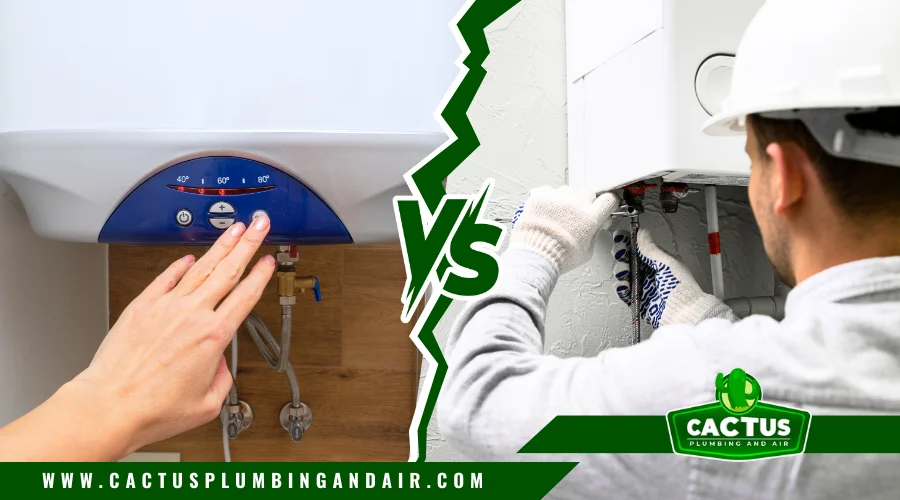
Deciding between professional maintenance and DIY service for your tankless water heater depends on factors like budget, expertise, and the complexity of the tasks. While DIY maintenance can be manageable for routine tasks, certain situations may call for professional assistance to ensure the unit's optimal performance and protect your warranty.
When to Hire a Professional for Maintenance
Hiring a professional for tankless water heater maintenance ensures that tasks are completed safely and effectively. Professionals bring experience and tools that make them well-suited for certain maintenance tasks. Here's when you should consider calling an expert:
-
- Complex Descaling Needs: If you have significant mineral buildup due to hard water, a professional can perform a thorough descaling to protect the system.
-
- Warranty Protection: If your tankless water heater is under warranty, hiring a professional can prevent accidental warranty voids caused by DIY errors.
-
- Persistent Issues: When issues like inconsistent water temperature or low water flow continue despite DIY efforts, a professional can diagnose and resolve the underlying problem.
-
- Annual Inspections: Many homeowners opt for an annual check-up from a professional, which often includes a thorough inspection of all components to prevent any potential issues.
-
- Safety Concerns: If you are uncomfortable working with gas lines, electrical connections, or unfamiliar tools, it's best to leave these tasks to a licensed technician.
Professional services may have a higher upfront cost, but they often save money in the long run by preventing damage and extending the lifespan of your heater.
Essential Tools for DIY Tankless Heater Cleaning
If you prefer handling basic maintenance yourself, having the right tools ensures you can perform tasks efficiently and safely. Here are some essential tools for cleaning and maintaining a tankless water heater:
-
- Flush Kit: A tankless water heater flush kit typically includes hoses and a pump, which are essential for descaling the system with a vinegar or descaling solution.
-
- Screwdriver Set: A basic screwdriver set helps you access components for cleaning and inspection. Many heaters require removing panels to reach internal parts.
-
- Bucket: Use a large bucket for descaling; it holds the vinegar solution and helps collect flushed water during the cleaning process.
-
- Vinegar or Descaling Solution: White vinegar or a specially formulated descaling solution breaks down mineral buildup without harming the system.
-
- Soft Cloth and Brush: Use a soft cloth to wipe the heater's exterior and a gentle brush to clean filters, avoiding damage to delicate components.
-
- Plumber's Wrench: A plumber's wrench may be necessary to tighten or adjust fittings and hoses during the cleaning process.
With these tools, you can handle routine DIY maintenance tasks, such as flushing and filter cleaning, which keeps your tankless water heater functioning well between professional visits.
Maintenance Checklist for Tankless Water Heaters
Creating a maintenance schedule helps keep your tankless water heater running efficiently year-round. Following a checklist for both monthly and annual tasks ensures all essential areas are covered and prevents common issues caused by neglect.
Key Tasks for Monthly and Annual Maintenance
Regularly performing key maintenance tasks reduces wear and helps your tankless water heater operate efficiently. Here's a breakdown of the tasks to complete monthly and annually:
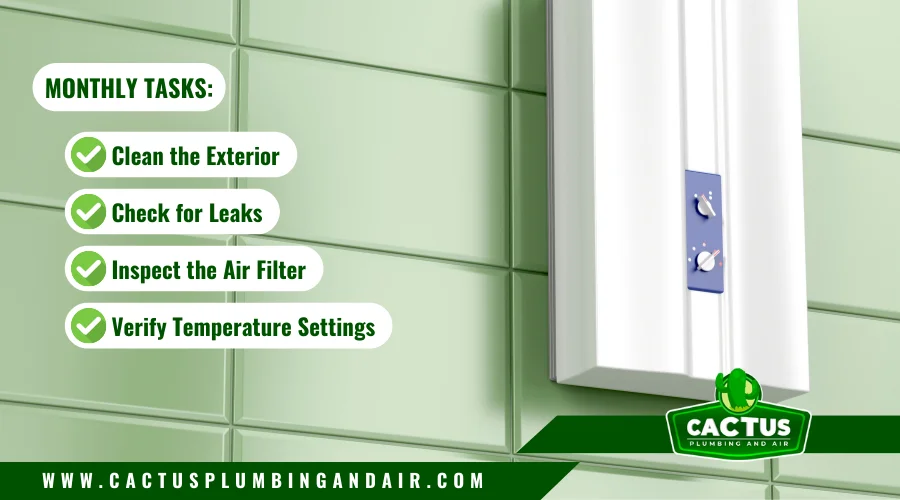
Monthly Tasks:
-
- Clean the Exterior: Use a soft cloth to wipe down the heater's exterior, keeping dust and debris from entering the system.
-
- Check for Leaks: Inspect around the heater for signs of water heater leaking, which could indicate a loose connection or internal issue.
-
- Inspect the Air Filter: Check the air filter monthly and clean it as needed to ensure proper airflow and prevent the heater from overheating.
-
- Verify Temperature Settings: Make sure the temperature is set to around 120°F to maintain energy efficiency and avoid unnecessary wear.
Annual Tasks:
-
- Flush the System: Perform a full flush with a descaling solution or vinegar to remove mineral buildup that can block the heat exchanger and reduce efficiency.
-
- Descale the Heat Exchanger: For homes with hard water, descaling may need to be performed twice yearly. This task removes mineral deposits from the heat exchanger, helping maintain water flow.
-
- Clean the Inlet and Outlet Filters: Remove and rinse these filters to prevent clogs and ensure steady water pressure.
-
- Inspect All Connections: Check all fittings and connections for leaks or signs of wear, tightening as needed.
-
- Run a System Test: After completing maintenance, run hot water to ensure everything is working properly and there are no abnormal sounds or temperature fluctuations.
Following these monthly and annual tasks keeps your tankless water heater in top condition and reduces the likelihood of unexpected repairs.
Recommended Products for Effective Maintenance
Using high-quality products for maintenance can make a big difference in your tankless water heater's performance. Here are some recommended items for effective and safe cleaning:
-
- White Vinegar: White vinegar is a budget-friendly option for descaling and safe to use in tankless water heaters, breaking down mineral deposits without harming components.
-
- Descaling Solution: Specialized descaling solutions are designed for deeper mineral removal, making them ideal for homes with hard water.
-
- Tankless Water Heater Flush Kit: A flush kit with a pump and hoses simplifies the descaling process and ensures even distribution of the cleaning solution.
-
- Filter Cleaning Brush: A small, soft-bristle brush works well for cleaning air and water inlet filters without causing damage.
-
- Bucket: A 5-gallon bucket is perfect for holding the descaling solution and catching flushed water during maintenance.
-
- Plumber-Approved Sealant Tape: Use sealant tape to secure hose connections and prevent leaks while flushing or descaling.
Equipped with the right products, maintaining your tankless water heater becomes more efficient and helps ensure your heater operates at peak performance.
Keep Your Tankless Water Heater Maintained
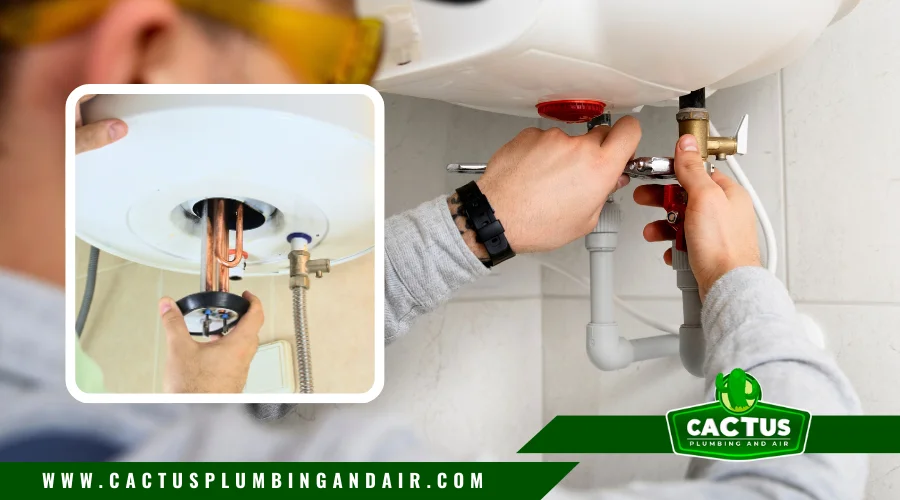
Routine maintenance is essential for keeping your tankless water heater efficient and long-lasting. By completing regular tasks like descaling, flushing, and cleaning filters, you can avoid common issues that lead to costly repairs and performance problems. Regular care not only helps save on energy bills but also extends the heater's lifespan, giving you reliable hot water for years.
At Cactus Plumbing and Air, we're dedicated to providing expert tankless water heater maintenance for homeowners. Our plumber Mesa team ensures every component of your system is checked and cleaned properly to keep your heater running at peak efficiency. Contact us to learn more about how regular maintenance can benefit your home.
Frequently Asked Questions
Can I perform tankless water heater maintenance myself?
Yes, you can handle basic tankless water heater maintenance tasks like cleaning filters and flushing the system. Many homeowners successfully perform these steps with the help of a flush kit and the right descaling solution. However, if you're not comfortable with the process or have warranty concerns, a professional can handle it for you.
How do I know if my tankless water heater has mineral buildup?
Signs of mineral buildup include inconsistent water temperature, reduced water flow, and unusual noises coming from the unit. If you have hard water, you're more likely to experience mineral buildup, so regular descaling is recommended to keep your tankless water heater running efficiently.
Does regular maintenance affect the heater's warranty?
Yes, regular maintenance is essential to maintain the warranty on most tankless water heaters. Manufacturers typically require proper care, including annual maintenance, to keep the warranty valid. Make sure to follow the maintenance steps recommended in the user manual or consult a professional for guidance.
What's the difference between descaling and flushing?
Descaling removes mineral deposits that accumulate in the heat exchanger while flushing clears out any sediment or buildup from the entire system. Descaling is typically done with a solution like vinegar, whereas flushing involves water to rinse out loose particles. Both are essential for efficient tankless water heater operation.
How long does tankless water heater maintenance usually take?
A standard maintenance session for a tankless water heater usually takes between 45 minutes to an hour, depending on the tasks involved. Flushing and descaling typically require about 30-45 minutes, while other checks, such as inspecting filters and connections, may add additional time.
Schedule Your Tankless Water Heater Service Today
Call Cactus Plumbing and Air at (623) 280-0805 to schedule your tankless water heater maintenance in Mesa, AZ. Let us help keep your system running smoothly with expert care and reliable service.
Recent Posts
-

How to Unclog a Bathroom Sink
Nov 23, 2025 -
What is a Sewer Cleanout and How to Locate It
Oct 27, 2025


Tags
- Benefits of tankless water heater maintenance
- Cost of tankless water heater maintenance
- DIY tankless water heater maintenance tips
- Energy savings
- hard water
- How to maintain a tankless water heater
- Professional tankless water heater service
- Routine checks
- Tankless water heater descaling guide
- Tankless water heater maintenance
- Tankless water heater maintenance checklist
