A clogged pipe can disrupt your daily life, leading to slow drains, unpleasant odors, or even water backups. These blockages often happen due to hair, grease, soap residue, or non-flushable items building up in your pipes. Tree roots, shifting soil, and scale buildup in older pipes can also cause clogs, making it essential to address the issue quickly to prevent further damage.
- Signs You Have a Clogged Pipe
- 1. Slow Drainage
- 2. Gurgling Noises
- 3. Foul Odors
- DIY Methods for Clearing Clogged Pipes
- Hot Water and Dish Soap
- Baking Soda and Vinegar
- Using a Plunger
- Tools to Help Unclog Pipes Effectively
- Drain Snakes and Augers
- Wet/Dry Vacuum (Shop Vac)
- Eco-Friendly Drain Cleaners
- Preventative Measures for Keeping Pipes Clear
- Proper Disposal of Waste
- Use Drain Strainers
- Regular Pipe Maintenance
- When to Call Cactus Plumbing And Air
- Signs You Need Professional Help
- Advanced Professional Solutions
- Restore Your Pipes with Expert Care
- Frequently Asked Questions
- How do I know if my main water line is clogged?
- Can I use baking soda and vinegar on all types of pipes?
- What's the best tool for clearing a clogged pipe?
- When should I call a professional for clogged pipes?
- Are chemical drain cleaners safe for pipes?
- Call for Professional Help with Your Clogged Pipe
Signs You Have a Clogged Pipe
A clogged pipe often gives warning signs before becoming a serious problem. Recognizing these signs early can save you time, money, and stress.
1. Slow Drainage
If the water takes longer than usual to drain from sinks, tubs, or showers, it's likely due to a partial blockage. This is one of the earliest indicators of a clog forming in your pipes.
2. Gurgling Noises
Hearing gurgling sounds from your drains or toilets? This happens when air gets trapped due to a blockage in your plumbing. It's a strong sign that your pipes are clogged.
3. Foul Odors
Blocked pipes can trap debris, causing unpleasant smells from your drains. If you notice bad odors in your kitchen or bathroom, it's time to check for a clog.

DIY Methods for Clearing Clogged Pipes
When faced with a clogged pipe, you can try several do-it-yourself methods before calling a plumber. These techniques work for most minor blockages and require basic tools or household items.
Hot Water and Dish Soap
This method is simple yet effective for grease-related clogs. Grease can solidify and block your pipes, especially in kitchen sinks. Hot water and dish soap combine to break down and flush away these greasy buildups.
- Pour a generous amount of dish soap directly into the drain.
- Boil a large pot of water and carefully pour it down the drain.
- Let it sit for a few minutes to allow the soap and heat to dissolve the clog.
- Run cold water to flush the pipe and ensure the blockage is cleared.
Baking Soda and Vinegar
This eco-friendly solution is effective and safe for your pipes for organic blockages. Baking soda and vinegar create a chemical reaction that loosens debris and clears the drain.
- Pour one cup of baking soda into the clogged drain.
- Add one cup of vinegar immediately after.
- Allow the mixture to bubble and sit for at least 30 minutes to dissolve the blockage.
- While waiting, boil a pot of water.
- After 30 minutes, pour the boiling water down the drain to remove loosened debris.
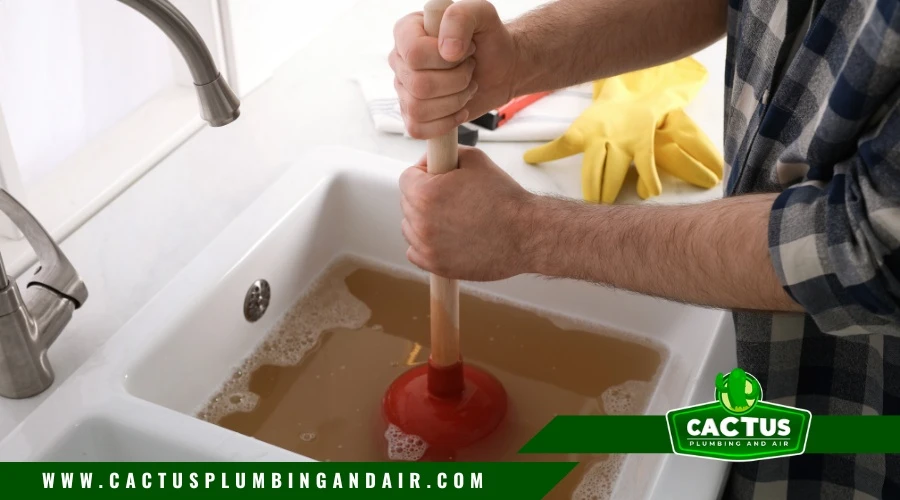
Using a Plunger
A plunger is a must-have tool for addressing sinks, tubs, and toilet clogs. The key to success is creating a tight seal to generate enough suction to clear the blockage.
- Select the right plunger.
- Flat-bottom plunger for sinks and tubs.
- Flanged plunger for toilets.
- Place the plunger over the drain and press down to create a seal.
- Use a vigorous up-and-down motion to dislodge the clog.
- Seal the second drain with a wet cloth or stopper for dual sinks to maximize pressure.
- Test the drain by running water to ensure it is clear.
Tools to Help Unclog Pipes Effectively
When DIY methods aren't enough, having the right tools can make all the difference. From drain snakes to wet vacuums, these tools are designed to tackle tougher clogs and get your plumbing back to normal.
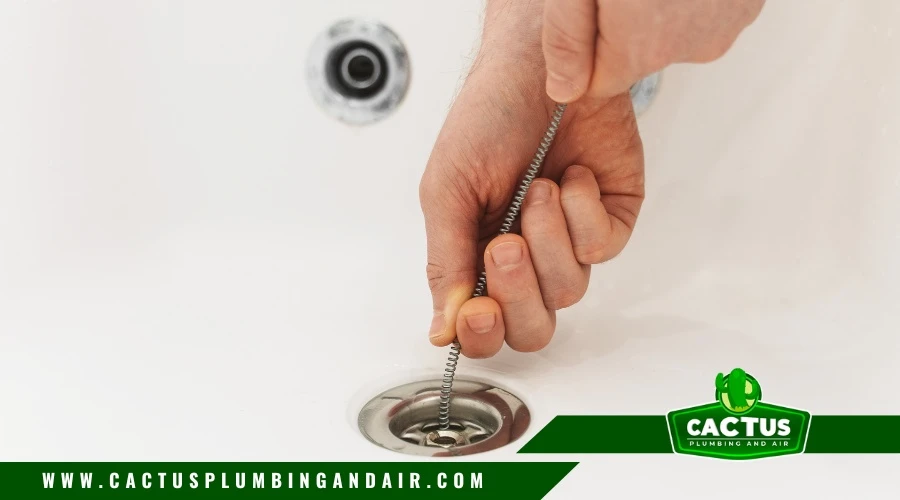
Drain Snakes and Augers
Drain snakes or augers, are flexible tools designed to break up clogs or pull them out of pipes. These are ideal for more stubborn blockages that DIY solutions can't resolve.
- Insert the snake into the drain until you feel resistance.
- Gently rotate the handle to hook or break apart the clog.
- Pull the snake out slowly to avoid damaging the pipe.
- Test the drain by running water to ensure the clog is gone.
Wet/Dry Vacuum (Shop Vac)
A wet/dry vacuum can be surprisingly effective for clearing blockages, especially when the clog is near the drain's surface. The vacuum's powerful suction can help remove debris stuck in the pipes.
- Set the vacuum to "wet" mode and ensure the collection tank is empty.
- Use a wet cloth or duct tape to seal around the drain.
- Turn on the vacuum and let it pull debris from the pipe.
- Check the tank for materials like hair, grease, or food particles.
Eco-Friendly Drain Cleaners
Chemical cleaners can be harsh on pipes and harmful to the environment. Instead, opt for enzyme-based cleaners that use natural bacteria to break down organic clogs.
- Safe for most pipe materials, including PVC and older plumbing.
- Gentle yet effective on blockages caused by hair, grease, and food waste.
- Reduces the risk of pipe corrosion compared to chemical alternatives.
Preventative Measures for Keeping Pipes Clear
Preventing clogs is easier and more cost-effective than dealing with blockages. Simple habits and regular maintenance can keep your pipes flowing freely and reduce the need for frequent repairs.
Proper Disposal of Waste
One of the most effective ways to prevent clogged pipes is to avoid flushing or washing down items that can cause blockages.
- In Kitchen Sinks: Grease, cooking oil, coffee grounds, and fibrous foods like celery.
- In Toilets: Non-flushable items such as wipes, paper towels, hygiene products, and cotton swabs.
- In Showers and Bathroom Sinks: Hair and soap residue should be caught with drain strainers.
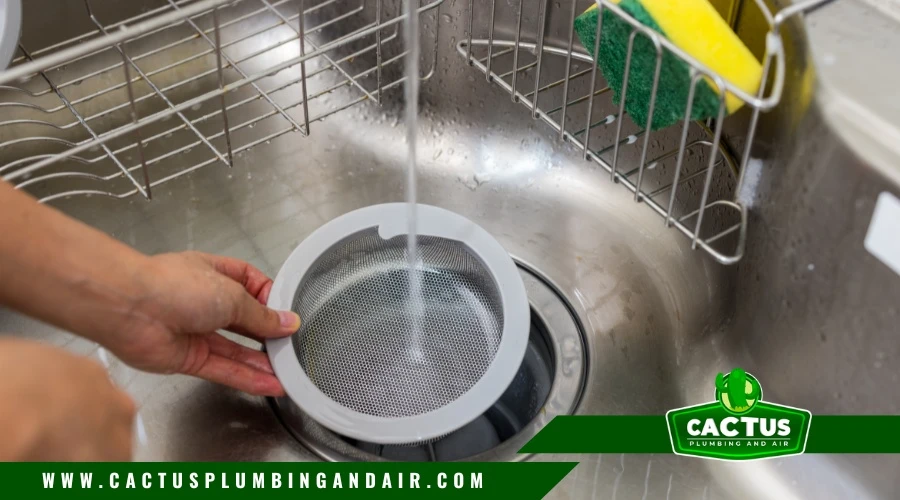
Use Drain Strainers
Installing strainers in your sinks and showers is an inexpensive way to catch debris before it enters your pipes. These small tools prevent hair, food particles, and other materials from going down the drain.
- Choose strainers that fit snugly over your drain openings.
- Clean them regularly to prevent buildup on the surface.
- Replace strainers if they become damaged or lose their effectiveness.
Regular Pipe Maintenance
Routine maintenance helps prevent minor blockages from becoming significant problems. Simple actions like flushing your drains with hot water or scheduling professional inspections can make a big difference.
- Pour boiling water down your drains weekly to dissolve grease and soap buildup.
- Use a vinegar and baking soda mixture monthly for a deeper clean.
- Schedule a professional drain cleaning every few years, especially for older homes or areas with hard water.
When to Call Cactus Plumbing And Air
While many clogs can be fixed with DIY methods, some issues require the expertise of a professional. If your efforts don't resolve the problem or you notice recurring clogs, it's time to call Cactus Plumbing And Air.
Signs You Need Professional Help
Certain situations go beyond what DIY tools and methods can handle. These include:
- Recurring Clogs: If your pipes clog repeatedly, the issue may be deeper in your plumbing system.
- Multiple Drains Affected: When more than one drain is slow or backed up, it could indicate a blockage in the main sewer line.
- Foul Smells That Persist: Bad odors that don't go away suggest trapped debris or a larger problem.
- Water Backups: If water starts backing up in sinks, tubs, or toilets, professional intervention is necessary.
Advanced Professional Solutions
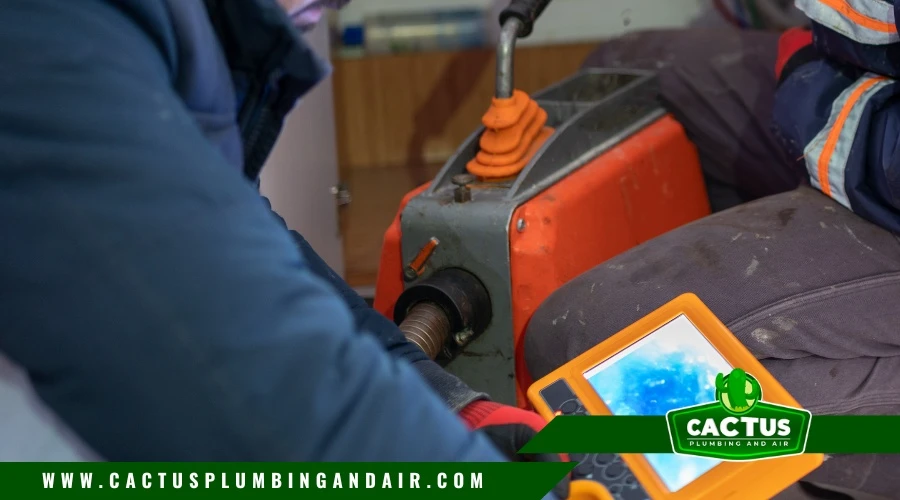
Professional plumbers have the tools and expertise to handle tough clogs and prevent further damage. Common methods include:
- Hydro-Jetting: High-pressure water clears stubborn debris and tree roots.
- Camera Inspections: Plumbers use small cameras to locate blockages deep within the system.
- Pipe Lining: This technique reinforces damaged pipes without excavation.
Restore Your Pipes with Expert Care
Clogged pipes can be a hassle, but you can address the problem properly and restore your plumbing system's efficiency. From DIY fixes like hot water and dish soap to advanced tools like drain snakes, tackling minor clogs is manageable. However, calling a professional ensures long-term solutions for recurring or severe issues. The Cactus Plumbing And Air team is here to provide fast, reliable, and effective plumbing services to keep your home running smoothly. Learn more by connecting with a plumber Scottsdale for expert assistance.
Frequently Asked Questions
How do I know if my main water line is clogged?
If multiple drains in your home are slow, water backs up into sinks or tubs, or you hear gurgling noises, your main water line is likely clogged.
Can I use baking soda and vinegar on all types of pipes?
Baking soda and vinegar are generally safe for most pipes, including PVC and metal. However, excessive use of older pipes may weaken them over time.
What's the best tool for clearing a clogged pipe?
A drain snake or auger is effective for most blockages. Hot water and dish soap are good starting points for grease-related clogs.
When should I call a professional for clogged pipes?
Call a plumber if you have recurring clogs, multiple affected drains, or water back into your home. Professionals can handle deep or severe blockages.
Are chemical drain cleaners safe for pipes?
Chemical cleaners can clear clogs but may damage pipes over time, especially older ones. Eco-friendly options like enzyme-based cleaners are safer alternatives.
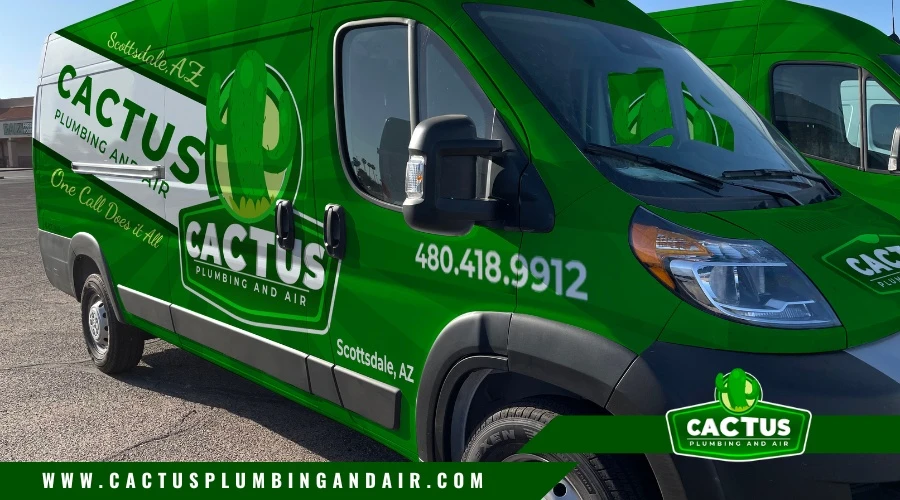
Call for Professional Help with Your Clogged Pipe
If you're dealing with stubborn clogged pipes or recurring blockages, it's time to get expert assistance. At Cactus Plumbing And Air, we provide fast and effective solutions to clear your pipes and restore your plumbing. Call us today at (480) 418-9912 to schedule an appointment or receive expert advice!
Recent Posts
-

How to Unclog a Bathroom Sink
Nov 23, 2025 -
What is a Sewer Cleanout and How to Locate It
Oct 27, 2025