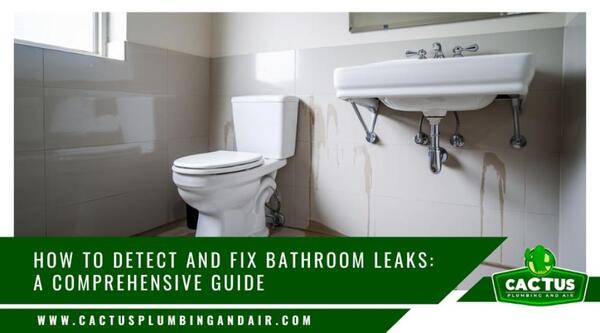
Bathroom leaks are a common issue that can lead to significant damage, costly repairs, and health hazards if not addressed promptly. Using a Leak Repair and Detection Service is one way to ensure the issue is resolved professionally. Understanding how to detect and fix a bathroom leak on your own can also save you time, money, and stress. This guide explores practical methods to identify leaks, repair them effectively, and prevent future issues.
- Common Causes of Bathroom Leaks
- Tub and Shower Leaks
- Toilet Leaks
- Sink and Faucet Leaks
- Detecting Bathroom Leaks: Proven Methods
- How to Fix Common Bathroom Leaks
- Preventing Future Bathroom Leaks
- Repairing Water Damage from Bathroom Leaks
- Protect Your Home from Bathroom Leaks
- Frequently Asked Questions
- How can I tell if my bathroom leak is coming from a plumbing pipe?
- Can a leaking bathroom fixture cause mold problems?
- Are bathroom leaks covered by homeowners' insurance?
- How often should I check my bathroom for leaks?
- Can hard water contribute to bathroom leaks?
- Schedule a Leak Repair Service Today
Common Causes of Bathroom Leaks
Bathroom leaks can occur for a variety of reasons, often resulting in costly damage and disruptions to your home. Understanding the common causes of bathroom leaks is the first step in preventing further issues. From faulty plumbing connections to wear and tear on fixtures, identifying the source early can help you take timely action and avoid major repairs down the road. Let’s explore the most frequent causes of bathroom leaks and how to spot them. Here’s a breakdown of the most common culprits:
Tub and Shower Leaks
Tub and shower leaks are some of the most common bathroom issues homeowners face. These leaks can occur due to a variety of factors, such as cracked or loose tiles, damaged grout, worn-out caulking, or faulty shower door seals. Over time, water can seep through these weak points, leading to water damage on the walls, floors, and surrounding areas. To prevent further damage, it's essential to regularly inspect the tub and shower area for signs of wear, such as discoloration, water stains, or mold growth. Early detection and repair can save you from more extensive issues down the line.
Signs to Look For:
Discoloration, soft or warped materials, mold growth, or water pooling near the fixtures.
Quick Tip:
Inspect the area around the tub or shower regularly. Address visible signs of wear promptly to prevent further damage.
Toilet Leaks
Toilet leaks are a common but often overlooked issue that can lead to significant water waste and potential damage to your bathroom floor. These leaks can be caused by a variety of factors, including cracked toilet tanks or bowls, worn-out wax ring seals, loose or damaged supply line connections, or a malfunctioning flapper valve. If left unaddressed, toilet leaks can result in water pooling around the base or a constantly running toilet, which not only increases your water bill but can also cause structural damage over time. Regularly checking your toilet for signs of leaks, such as water around the base or continuous running sounds, can help you catch issues early and prevent costly repairs.
How to Detect:
Listen for constant running water or look for water pooling around the toilet base.
Sink and Faucet Leaks

Sink and faucet leaks are often subtle but can lead to water damage if left unchecked. These leaks can occur due to various factors such as worn-out washers, corroded pipes, or loose connections. In some cases, cracks in the sink basin or faucet base may also cause leaks. Over time, even small leaks can accumulate water under the sink, leading to mold growth or damage to the cabinetry. It's important to regularly check underneath the sink for signs of moisture or water stains, as well as to inspect faucet handles and connections for any drips or irregularities. Promptly addressing these leaks can prevent further damage and ensure your sink and faucet continue to function properly.
Detection Tip:
Check under the sink cabinet for moisture or water stains during routine cleaning or inspections.
Detecting Bathroom Leaks: Proven Methods
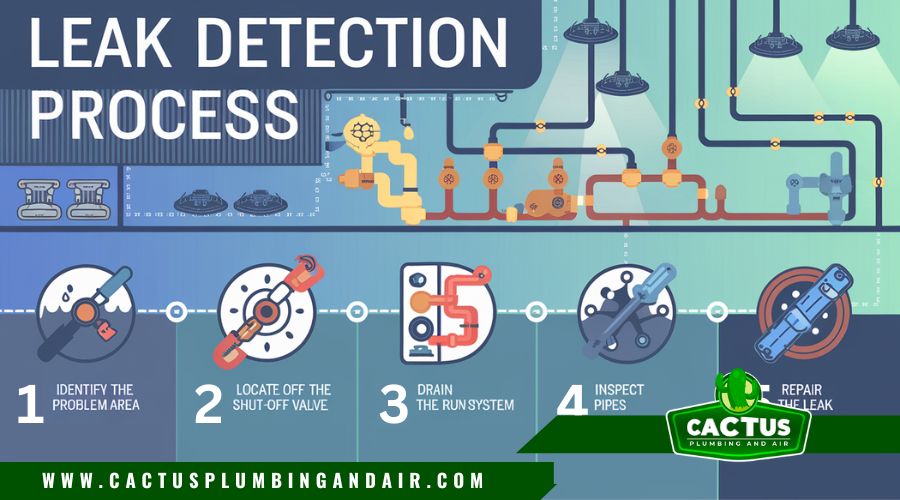
Identifying the source of a bathroom leak is the first step toward fixing it. Below are effective techniques for locating leaks.
- Visual Inspection
Start with a thorough inspection. Look for:
- Mold or mildew.
- Peeling paint or wallpaper.
- Warped flooring or water stains.
Pay close attention to joints, seams, and areas around fixtures.
- Water Tests
Dry all surfaces and run water through different fixtures one at a time. Look for:
- Water escaping from shower doors or tub edges.
- Leaks around the toilet base.
- Moisture Meters
Moisture meters are invaluable for detecting hidden leaks. These devices help pinpoint moisture in walls, floors, or ceilings, revealing areas where water may be seeping unnoticed.
- Dye Tests
Dye tests work well for identifying toilet and drain leaks. Add food coloring to the toilet tank or drain and wait without flushing. If colored water appears where it shouldn’t, there’s a leak.
- Structural Inspection
If other methods fail, an in-depth structural inspection may be necessary. This involves examining plumbing connections within walls or floors. Hiring a professional plumber is recommended for this task.
How to Fix Common Bathroom Leaks
Once you’ve identified the source of the leak, it’s time to fix it. Here are repair techniques tailored to specific leaks:
Repairing Shower Door Leaks
- Clean the door and frame thoroughly.
- Apply fresh silicone caulk along the edges of the door frame.
- Install a new seal strip or door sweep.
Addressing Tub and Shower Leaks
- Remove damaged grout or caulking.
- Clean and dry the area completely.
- Reapply new silicone caulk to seal joints.
- Re-grout tiles if necessary.
Fixing Toilet Leaks
- Turn off the water supply and empty the tank.
- Replace the wax ring seal.
- Inspect for cracks in the toilet bowl or tank; replace parts if needed.
- Ensure the toilet is securely fastened to the floor.
Repairing Sink and Faucet Leaks
- Tighten loose connections under the sink.
- Replace worn-out washers, O-rings, or cartridges.
- Seal the base of the faucet with silicone caulk or plumber’s putty.
Preventing Future Bathroom Leaks
Preventive maintenance is key to avoiding future bathroom leaks. Here are actionable tips:
- Seal and Protect
- Apply waterproof sealant to grout lines annually.
- Inspect and replace worn-out caulking regularly.
- Improve Ventilation
Proper ventilation reduces moisture buildup, minimizing the risk of leaks.
- Routine Inspections
Check fixtures, grout, and seals seasonally, especially before and after temperature extremes.
- Install Water Alarms
Place water alarms near sinks, toilets, and tubs to receive early warnings of leaks.
- Professional Maintenance
Schedule professional plumbing inspections every few years to identify hidden issues.
Repairing Water Damage from Bathroom Leaks

Leaks can cause structural damage that requires extensive repairs. Here’s how to tackle common issues:
- Drywall Repair
- Remove damaged drywall.
- Replace it with a new piece, securing it with drywall screws.
- Apply joint compound and sand it smooth before painting.
- Floor Repair
- Inspect the subfloor and replace damaged sections.
- Install new flooring with waterproof measures.
- Mold Remediation
For minor mold growth, clean the area with a mold-killing solution. For extensive mold, hire a professional remediation service.
- Plumbing Overhaul
In severe cases, replace old pipes and fittings to prevent recurring leaks.
- Electrical Repairs
Water leaks can compromise electrical systems. Have a licensed electrician inspect and repair affected wiring.
Protect Your Home from Bathroom Leaks
Detecting and addressing a Bathroom Leak promptly is essential to prevent costly repairs and protect your home from potential water damage and health risks. Whether it’s a minor issue like a leaky faucet or a more serious concern requiring a Leak Repair and Detection Service, taking swift action ensures peace of mind and long-term savings. Remember, regular maintenance and inspections can go a long way in keeping your bathroom leak-free.
Frequently Asked Questions
How can I tell if my bathroom leak is coming from a plumbing pipe?
If the leak isn’t visible near fixtures, check for damp spots on walls, ceilings, or floors near plumbing lines. You may also notice a drop in water pressure or an unexplained increase in your water bill.
Can a leaking bathroom fixture cause mold problems?
Yes, prolonged moisture from a leak creates ideal conditions for mold growth. Mold can form behind walls, under flooring, or around fixtures, potentially leading to health issues and structural damage.
Are bathroom leaks covered by homeowners' insurance?
Homeowners' insurance typically covers sudden and accidental water damage, such as a burst pipe. However, gradual leaks caused by neglect or poor maintenance may not be covered.
How often should I check my bathroom for leaks?
It’s a good idea to inspect your bathroom for leaks every few months and conduct seasonal checks, especially before and after winter, to catch issues early.
Can hard water contribute to bathroom leaks?
Yes, hard water can lead to mineral buildup, corroding pipes and damaging seals, which may result in leaks over time. Using a water softener can help prevent this issue.
Schedule a Leak Repair Service Today
Don’t let a Bathroom Leak disrupt your daily life or damage your property. Contact Cactus Plumbing And Air in Scottsdale, AZ, your trusted plumber Scottsdale, for reliable and professional Leak Repair and Detection Service. Our experienced team is here to help identify and fix leaks quickly and effectively. Call us today or book your service online to protect your home and restore your peace of mind!
Recent Posts
-

How to Unclog a Bathroom Sink
Nov 23, 2025 -
What is a Sewer Cleanout and How to Locate It
Oct 27, 2025