Cast iron pipes were once the gold standard in plumbing for homes and buildings, valued for their strength and durability. However, age and wear have led to increasing concerns about cast iron pipes problems. These issues, such as rust, cracks, leaks, and blockages, can cause significant damage to your home if left unaddressed. Understanding the common problems with cast iron pipes and how to identify them is essential for every homeowner. This guide will help you recognize potential signs of trouble and decide on the best action to protect your plumbing system.
- Common Problems with Cast Iron Pipes
- Rust and Corrosion Issues
- Cracks and Leaks in Cast Iron Pipes
- Tree Root Intrusion and Its Impact
- Slow Drainage and Sewage Backups
- How to Tell if Cast Iron Pipes Are Bad
- Signs of Failing Cast Iron Pipes
- Tools and Inspections for Detecting Problems
- Repair or Replace Cast Iron Pipes
- When to Choose Repairs for Cast Iron Pipes
- When to Choose Pipe Replacement
- Preventing Problems with Cast Iron Pipes
- Regular Maintenance Tips for Homeowners
- Importance of Professional Inspections
- Resolve Your Cast Iron Pipes Problems with Cactus Plumbing And Air
- Frequently Asked Questions
- How long do cast iron pipes typically last?
- Are cast iron pipes still used in modern homes?
- What are the health risks of damaged cast iron pipes?
- Can cast iron pipes be relined instead of replaced?
- What are the environmental impacts of cast iron pipes?
- Call Today for Expert Plumbing Services in Chandler, AZ
Common Problems with Cast Iron Pipes
Cast iron pipes were designed to last for decades, but as they age, various problems arise that can lead to costly repairs. The most common issues stem from the material’s natural tendency to corrode, crack, and fail under environmental pressures. Below are some of the most significant problems with cast iron pipes that homeowners should be aware of:

Rust and Corrosion Issues
Rust and corrosion are among the most common cast iron pipes problems. Over time, exposure to water and oxygen causes the pipes to oxidize, resulting in rust buildup inside and outside the pipe walls.
Corrosion weakens the pipes' structural integrity and creates a rough interior surface that traps debris. This can lead to blockages and reduce water flow. Some consequences of rust and corrosion include:
- Leaking Pipes: Corroded sections become weak and develop leaks.
- Restricted Water Flow: Rust narrows the interior diameter of pipes, causing clogs.
- Pipe Failure: Extensive corrosion can weaken pipes to the point of collapse.
Addressing rust early is critical. Regular maintenance and inspections can help identify corroded areas before they lead to significant damage.
Cracks and Leaks in Cast Iron Pipes
As cast iron pipes age, they lose their flexibility and become brittle. This makes them more prone to cracking, especially under pressure from soil movement or freezing water.
Cracks and leaks are not always visible but can cause severe problems if ignored. Homeowners should be alert to signs of leaks, such as damp walls, mold growth, or a sudden increase in water bills. Major consequences of cracks and leaks include:
- Foundation Damage: Water from leaking pipes can erode the soil around your home’s foundation.
- Mold and Mildew Growth: Excess moisture from leaks promotes harmful mold growth.
- Structural Risks: Prolonged exposure to water weakens building materials over time.
Repairing cracks in cast iron pipes may involve techniques like epoxy lining or replacing damaged sections. Detecting leaks early through professional inspections can prevent these issues from escalating.

Tree Root Intrusion and Its Impact
Tree roots are a common cause of problems with cast iron pipes, especially in older sewer systems. Roots naturally grow toward moisture, and even small cracks in the pipes provide an entry point. Once inside, roots can expand and block the pipe, leading to significant plumbing issues. The effects of tree root intrusion include:
- Clogs and Backups: Roots block the flow of waste, causing slow drainage and backups.
- Pipe Breakage: Expanding roots can apply pressure on pipes, leading to fractures.
- Costly Repairs: Severe blockages often require excavation and pipe replacement.
Routine inspections and maintenance are essential for preventing tree root problems. Installing root barriers or replacing cast iron pipes with more durable materials can also help mitigate the issue.
Slow Drainage and Sewage Backups
Slow drainage and sewage backups are early warning signs of cast iron pipes problems. These issues often occur when rust, debris, or tree roots restrict the flow of water and waste through the pipes. Common causes of slow drainage and backups include:
- Internal Buildup: Corrosion creates rough surfaces inside the pipes, trapping grease and debris.
- Blockages from Roots: Tree roots can create complete blockages in sewer lines.
- Collapsed Pipes: Severe rust or damage can cause pipe sections to collapse, preventing water flow.
To address these problems, homeowners can use methods such as hydrojetting to clear clogs or a sewer scope inspection to identify the source of the issue. Taking swift action when backups occur can prevent further damage to your plumbing system and home.

How to Tell if Cast Iron Pipes Are Bad
Detecting issues with cast iron pipes early is essential to avoid expensive repairs and damage to your home. Many cast iron pipes problems, such as leaks, blockages, or structural failure, start small but worsen over time. By understanding the signs and utilizing professional tools, homeowners can identify problems before they escalate.
Signs of Failing Cast Iron Pipes
Several clear signs can indicate problems with cast iron pipes. Homeowners should monitor their plumbing systems for these warning signals:
- Slow Drains: Water taking longer than usual to empty from sinks, bathtubs, or toilets could signal a blockage caused by internal rust or debris.
- Discolored Water: Brown or reddish water may indicate corrosion inside the pipes.
- Foul Odors: A sewage-like smell in your home could mean leaks or blockages in the pipes.
- Visible Cracks or Leaks: Inspect any exposed pipes for cracks, dampness, or water stains.
- Increased Water Bills: A sudden rise in water bills may point to hidden leaks in your plumbing system.
These symptoms should not be ignored, as they often indicate serious problems with cast iron pipes. Taking action quickly can save you money and protect your home.
Tools and Inspections for Detecting Problems
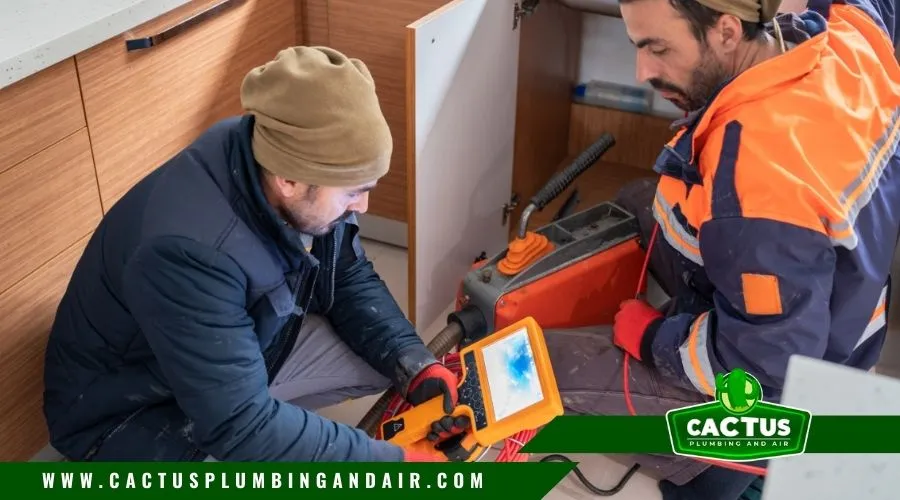
Identifying issues with cast iron pipes requires the right tools and expertise. Professional plumbers use advanced techniques to pinpoint problems and determine the best solution. Common tools and inspection methods include:
- Sewer Scope Inspection: A small camera is inserted into the pipes to inspect their condition visually. This method can detect cracks, corrosion, and blockages.
- Hydrostatic Testing: This process involves filling the pipes with water and monitoring for pressure drops, which indicate leaks.
- Acoustic Leak Detection: Specialized equipment picks up sound vibrations caused by water escaping through cracks or holes.
- Infrared Scanning: Thermal imaging cameras can identify hidden leaks by detecting temperature differences caused by escaping water.
- Dye Testing: A non-toxic dye is introduced into the pipes to trace leaks and confirm their location.
These inspections help identify both visible and hidden problems with cast iron pipes. A professional evaluation is especially crucial for older homes or when signs of plumbing issues appear.
Repair or Replace Cast Iron Pipes
When cast iron pipes problems arise, homeowners often face the question of whether to repair or replace them. Both options have their advantages, and the best choice depends on factors like the pipe's condition, extent of damage, and long-term goals. Understanding when to opt for repairs and when replacement is necessary can save time and money while ensuring your plumbing system functions properly.
When to Choose Repairs for Cast Iron Pipes
Repairs are often a viable option for minor or localized issues with cast iron pipes. If the overall structure of the pipes is intact, targeted repairs can address the problem without the need for full replacement. Situations where repairs make sense include:
- Small Cracks or Leaks: Minor damage, such as a small crack or leak, can often be fixed with epoxy lining or sealants.
- Blockages or Corrosion Buildup: Clearing clogs with hydrojetting or removing rust with chemical treatments can restore normal water flow.
- Limited Damage in Accessible Areas: If the issue is confined to a specific, easily accessible section of the pipe, repairs are cost-effective and less disruptive.
- Short-Term Solutions: When immediate repairs are needed but a long-term replacement plan is in place, targeted fixes can buy time.
Repairing cast iron pipes can extend their lifespan, but it’s essential to monitor them regularly. Even with repairs, aging pipes may eventually require replacement as problems reoccur.
When to Choose Pipe Replacement
In some cases, replacing cast iron pipes is the only practical solution. Replacement is ideal when the pipes are too damaged or old to be effectively repaired. Scenarios where replacement is recommended include:
- Extensive Corrosion: When rust and corrosion have weakened large sections of the pipe, replacement ensures long-term reliability.
- Frequent Repairs: Pipes requiring repeated repairs are likely nearing the end of their lifespan, making replacement more cost-effective.
- Collapsed or Severely Cracked Pipes: Structural damage that compromises the pipe’s integrity calls for immediate replacement.
- Home Renovations: During major renovations, upgrading old cast iron pipes to modern materials like PVC or ABS can prevent future problems.
- Preventative Upgrades: If the pipes are nearing their typical lifespan of 50-100 years, proactive replacement can prevent unexpected failures.
While replacing cast iron pipes can be a significant investment, it eliminates the recurring issues associated with aging plumbing systems. Modern plumbing materials offer improved durability and resistance to corrosion, providing peace of mind for decades to come.

Preventing Problems with Cast Iron Pipes
Preventative measures can help homeowners minimize the risks associated with cast iron pipe problems. Proper maintenance and timely inspections are key to extending the lifespan of these pipes and avoiding costly repairs or replacements. By focusing on routine care and professional evaluations, you can identify potential issues early and address them effectively.
Regular Maintenance Tips for Homeowners
Routine maintenance plays a critical role in preventing problems with cast iron pipes. Homeowners should follow these practices to maintain the condition of their plumbing system:
- Avoid Harsh Chemicals: Chemical drain cleaners can accelerate pipe corrosion. Opt for mechanical cleaning methods like plunging or snaking instead.
- Flush Drains Regularly: Periodically flushing pipes with hot water helps remove debris and grease buildup, reducing the risk of clogs.
- Control Tree Root Growth: Installing root barriers or trimming nearby trees can prevent roots from invading underground pipes.
- Inspect Exposed Pipes: Check visible sections of cast iron pipes for rust, cracks, or leaks and address minor issues promptly.
- Limit Water Pressure: High water pressure can strain aging pipes, leading to cracks. Install a pressure regulator if needed.
Consistent maintenance not only prolongs the lifespan of cast iron pipes but also reduces the likelihood of sudden failures and expensive emergency repairs.
Importance of Professional Inspections
Professional inspections are essential for identifying hidden problems in cast iron pipes that may not be visible during routine maintenance. These inspections provide an in-depth assessment of the pipe's condition and help homeowners make informed decisions about pipe repairs or replacements. Key reasons to prioritize professional inspections include:
- Early Detection of Corrosion and Cracks: Plumbers use tools like sewer scope cameras and hydrostatic tests to detect corrosion, leaks, and cracks that might not be obvious.
- Accurate Diagnosis of Blockages: Inspections can reveal the exact cause and location of clogs, whether they result from rust, debris, or tree roots.
- Prevention of Structural Damage: Identifying issues before they escalate protects your home’s foundation and prevents costly damage.
- Peace of Mind During Home Purchases: If buying a home with cast iron pipes, a thorough inspection ensures the plumbing system is in good condition.
- Long-Term Cost Savings: Proactive inspections reduce the risk of emergencies and allow for planned maintenance or replacements.
Scheduling regular professional inspections, particularly for homes with older plumbing systems, helps ensure the long-term functionality and reliability of cast iron pipes.
Resolve Your Cast Iron Pipes Problems with Cactus Plumbing And Air
At Cactus Plumbing And Air, we understand the challenges that come with cast iron pipes problems in older homes across Chandler, AZ. Whether dealing with corrosion, leaks, or blockages, our team offers reliable solutions tailored to your needs. We combine advanced tools and experienced professionals to ensure your plumbing system remains in excellent condition.
We prioritize long-term results by offering maintenance, repairs, and replacements that bring you peace of mind. Trust our plumber Chandler team to guide you through the best options for your home, ensuring a safe and functional plumbing system for years to come.
Frequently Asked Questions
How long do cast iron pipes typically last?
Cast iron pipes generally last between 50 and 100 years, depending on factors like water quality, maintenance, and environmental conditions. Pipes installed in homes built before the 1970s are more likely to experience problems due to their age. Regular inspections help determine the remaining lifespan of these pipes.
Are cast iron pipes still used in modern homes?
Modern construction rarely uses cast iron pipes due to advancements in materials like PVC and ABS, which are lighter, more durable, and resistant to corrosion. However, older homes may still have cast iron plumbing, requiring proper care and maintenance to prevent issues.
What are the health risks of damaged cast iron pipes?
Damaged cast iron pipes can lead to sewage leaks, fostering mold and bacteria growth in your home. These contaminants may cause respiratory issues and other health problems. Addressing leaks and cracks quickly helps protect your family’s health.
Can cast iron pipes be relined instead of replaced?
Yes, epoxy pipe relining is a common alternative to replacement. This process reinforces the interior of the pipe without removing it. Relining is a cost-effective solution for minor damage, but severely corroded or collapsed pipes may still require full replacement.
What are the environmental impacts of cast iron pipes?
Cast iron pipes are recyclable, making them less environmentally damaging when replaced. However, corroded pipes may leak harmful substances into the soil or water systems. Upgrading to modern materials can reduce long-term environmental risks.
Call Today for Expert Plumbing Services in Chandler, AZ
Call Cactus Plumbing And Air at (480) 608-9942 for professional plumbing services in Chandler, AZ. Whether you need repairs or replacements, our team is ready to resolve your cast iron pipes problems. Schedule an inspection today to ensure your plumbing system is in top shape.
Recent Posts
-

How to Unclog a Bathroom Sink
Nov 23, 2025 -
What is a Sewer Cleanout and How to Locate It
Oct 27, 2025