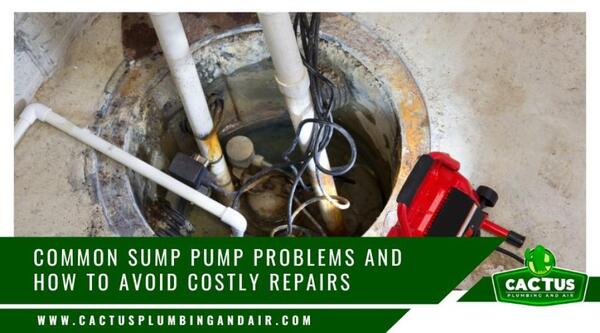
Sump pumps are essential for preventing basement flooding and protecting your home from water damage, especially during heavy rainfall or storms. Many homeowners experience sump pump problems that can lead to costly repairs or replacements if left unaddressed. Understanding the most common problems with sump pump systems and learning how to resolve them can help you maintain efficiency and extend the lifespan of your equipment. This guide provides insights into common sump pump issues, their symptoms, and effective ways to address them.
- What Are Common Sump Pump Problems
- Symptoms of Sump Pump Issues
- Causes of Common Sump Pump Failures
- How to Troubleshoot Sump Pump Problems
- Identifying Clogged Sump Pump Drains
- Steps to Fix a Malfunctioning Sump Pump
- Preventative Maintenance for Sump Pumps
- Cleaning and Testing Your Sump Pump Regularly
- Tips to Protect Sump Pumps in Winter
- When to Call a Professional for Sump Pump Repair
- Signs Your Sump Pump Needs Professional Service
- Finding Reliable Sump Pump Repair Services Near You
- Prevent Water Damage With Professional Sump Pump Care
- Frequently Asked Questions
- What should I do if my sump pump makes loud noises?
- Can a sump pump stop working after a power outage?
- How often should I inspect my sump pump?
- Are backup sump pumps necessary for every home?
- What are the signs of a faulty sump pump switch?
- Expert Sump Pump Solutions in Mesa AZ
What Are Common Sump Pump Problems
Sump pumps are critical to keeping basements and crawl spaces dry, but they can experience various issues over time. Common sump pump problems can lead to system failures if not identified and addressed promptly. Homeowners should be aware of these issues to protect their property from water damage and unnecessary expenses.
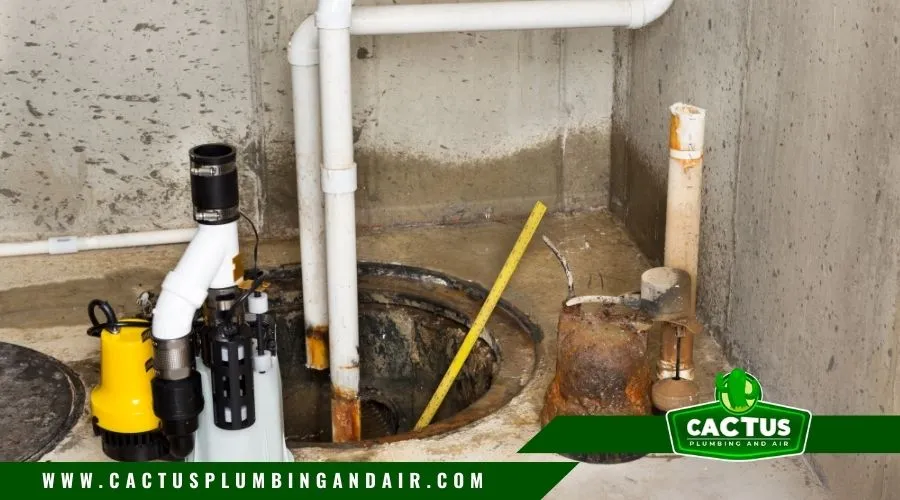
Symptoms of Sump Pump Issues
Detecting symptoms of sump pump problems early can prevent more significant issues and costly repairs. Look out for these common signs:
- Unusual Noises: Grinding, rattling, or loud humming noises may indicate motor or impeller damage.
- Frequent Cycling On And Off: A sump pump that cycles too often may have a stuck float switch or an undersized basin.
- Water Pooling Around The Pump: Puddles near the sump pump suggest a clog or improper drainage.
- Slow Water Drainage: If water drains slowly, it could mean the discharge line is clogged or frozen.
- Constant Running: A sump pump running nonstop might be overwhelmed by the water volume or underpowered for the job.
Recognizing these symptoms allows you to take action before your sump pump fails, avoiding water damage and additional expenses.
Causes of Common Sump Pump Failures
Knowing the reasons behind sump pump failures helps homeowners prevent recurring issues. Here are the most common causes:
- Clogged Discharge Lines: Debris, dirt, or ice can block the discharge line, restricting water flow and causing backups.
- Overworking The Pump: A pump that is too small for your home's water demands will wear out faster and fail prematurely.
- Improper Installation: Faulty installation, such as an incorrectly placed sump pit, reduces efficiency and increases the likelihood of failure.
- Lack Of Maintenance: Failure to clean and test the sump pump regularly leads to rust, wear, and mechanical issues.
- Power Failures: Sump pumps depend on electricity to function, so power outages during storms can render them useless without a backup system.
Addressing these causes through proper maintenance and proactive solutions ensures your sump pump performs effectively when you need it most.
How to Troubleshoot Sump Pump Problems
If you notice issues with your sump pump, troubleshooting can help identify the root cause and determine the best solution. While some problems may require professional assistance, you can address many minor sump pump problems on your own. Proper troubleshooting not only resolves existing issues but also helps prevent future problems with sump pump performance.
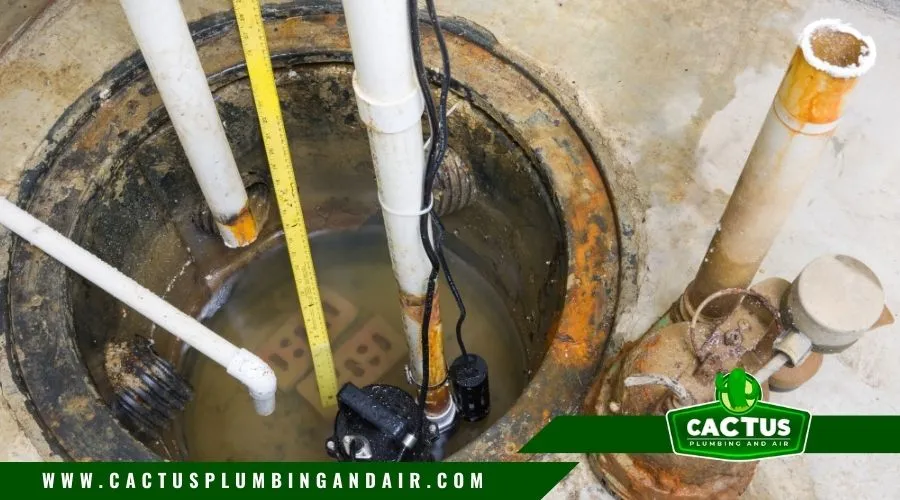
Identifying Clogged Sump Pump Drains
Clogged sump pump drains are a common issue that can prevent water from being properly removed from your basement or crawl space. When debris like dirt, leaves, or even ice blocks the discharge line, water has nowhere to go, leading to pooling or flooding. To identify a clogged sump pump drain, follow these steps:
- Check for Visible Debris: Inspect the discharge line for signs of dirt, leaves, or obstructions.
- Test the Pump's Performance: Pour a bucket of water into the sump pit and see if the water flows out properly. If it drains slowly or not at all, the line may be clogged.
- Inspect for Ice Build-Up: During winter months, ice can form in the discharge line, restricting water flow.
Clearing a clogged sump pump drain ensures that water is efficiently removed from your home, preventing damage and maintaining system performance.
Steps to Fix a Malfunctioning Sump Pump
A malfunctioning sump pump can lead to serious problems if left unaddressed. When your sump pump fails to operate correctly, take these steps to troubleshoot and fix the issue:
- Check the Power Supply: Ensure the sump pump is plugged into a functioning outlet. Check the circuit breaker to confirm it hasn't tripped.
- Inspect the Float Switch: A stuck or damaged float switch can prevent the pump from turning on or off. Gently move the float to see if it activates the pump.
- Clear the Sump Pit: Remove debris from the sump pit that could be obstructing the pump's intake or impeller.
- Examine the Discharge Line: Look for clogs, leaks, or damage in the discharge hose. If necessary, disconnect the line and flush it out with water.
- Listen for Unusual Noises: If the pump makes grinding or rattling sounds, the motor or impeller may be damaged. This often requires professional repair.
By following these steps, you can address minor problems and restore your sump pump's functionality. If the issue persists, consulting a professional is the best course of action.
Preventative Maintenance for Sump Pumps
Preventative maintenance is essential for avoiding unexpected sump pump problems and ensuring your system runs efficiently. A well-maintained sump pump can handle heavy rainfall, prevent basement flooding, and extend its lifespan. Routine care helps address small issues before they turn into major problems with the sump pump operation.

Cleaning and Testing Your Sump Pump Regularly
Regular cleaning and testing keep your sump pump functioning at its best. Dirt, debris, and sludge can accumulate in the sump pit and impede the pump's performance. Testing the system ensures it's ready to work when needed. Follow these steps to clean and test your sump pump:
- Unplug the Pump and Remove It from the Pit: Always disconnect the power supply before cleaning to avoid accidents.
- Clear Debris from the Sump Pit: Remove any dirt, leaves, or sediment that may obstruct the pump's intake or float.
- Clean the Pump's Components: Wipe down the exterior and clean the impeller to prevent blockages.
- Flush the Discharge Line: Run water through the line to clear any clogs or build-up.
- Test the Float Switch: Pour a bucket of water into the pit to raise the float switch and ensure the pump activates.
- Plug the Pump Back In and Retest: Reconnect the power and verify that the system operates smoothly.
By cleaning and testing your sump pump every few months, you can prevent clogs and mechanical failures, keeping your system reliable during heavy use.
Tips to Protect Sump Pumps in Winter
Winter poses unique challenges for sump pumps, as freezing temperatures can lead to clogs, damage, and reduced efficiency. Proper preparation ensures your sump pump continues to perform even in cold weather. Here are key tips to protect your sump pump during winter:
- Insulate the Discharge Line: Use pipe insulation to prevent freezing and keep water flowing.
- Check the Discharge Outlet: Ensure the outlet is clear of snow and ice to avoid blockages.
- Use a Sump Pump Cover: A cover can protect the sump pit from debris and reduce the risk of freezing.
- Keep the Pump Running Periodically: Running the pump occasionally during winter helps prevent the system from freezing.
- Install a Backup System: Battery-powered or water-powered backup sump pumps ensure your home stays protected during power outages.
Taking these preventative measures minimizes the risk of winter-related problems with sump pump operation and keeps your home safe year-round.
When to Call a Professional for Sump Pump Repair
While some sump pump problems can be resolved with basic troubleshooting, there are times when professional help is necessary. Ignoring major problems with sump pump operation could lead to water damage, costly repairs, and even complete system failure. Knowing when to call a professional ensures your sump pump gets the expert care it needs to function effectively.
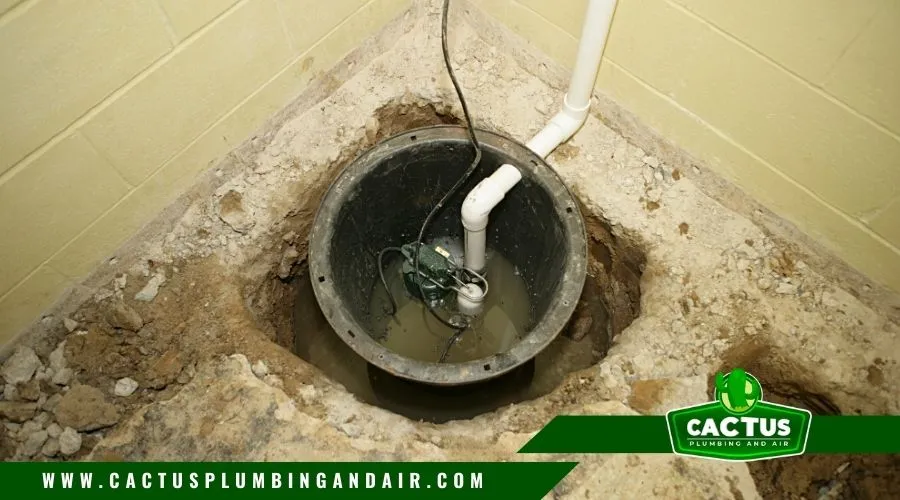
Signs Your Sump Pump Needs Professional Service
Certain issues with your sump pump require professional diagnosis and repair. If you notice any of the following signs, it's time to contact a sump pump repair expert:
- Persistent Noise During Operation: Grinding, rattling, or squealing noises indicate damage to internal components, such as the motor or impeller.
- Frequent Power Issues: If your pump frequently loses power or fails to turn on, it could signal wiring problems or electrical failure.
- Standing Water in the Pit: A sump pump that fails to remove water effectively may have a damaged motor, clogged intake, or faulty switch.
- Rust or Visible Corrosion: Corrosion weakens the pump's structural integrity and can lead to leaks or mechanical breakdowns.
- Repeated Malfunctions: If you've addressed the same issue multiple times, the pump may need replacement rather than repair.
Promptly addressing these signs with professional assistance ensures your sump pump continues to protect your home from water damage.
Finding Reliable Sump Pump Repair Services Near You
Choosing the right repair service for your sump pump ensures the issue is resolved correctly and efficiently. Here's what to look for when selecting a professional:
- Experience and Expertise: Look for repair companies with years of experience in sump pump repair and installation.
- Proper Licensing and Certification: Ensure the service provider is licensed and certified to perform sump pump repairs in your area.
- Customer Reviews: Check online reviews and testimonials to learn about other homeowners' experiences with the company.
- Warranties on Repairs: A reliable repair service should offer warranties on their work, giving you peace of mind.
- Emergency Services: Choose a provider that offers emergency sump pump repair services, especially during storms or flooding seasons.
To find the best repair service near you, search online, ask for recommendations, and compare quotes. Partnering with a reputable professional helps ensure your sump pump remains reliable and efficient.
Prevent Water Damage With Professional Sump Pump Care
Taking proactive steps to address sump pump problems ensures your home stays protected from flooding and water damage. Regular maintenance, timely repairs, and investing in backup systems are key to keeping your sump pump reliable. By understanding the problems with sump pump systems and acting quickly, you can avoid costly repairs and extend your pump's lifespan.
For homeowners in Mesa, AZ, Cactus Plumbing And Air offers expert sump pump repair and maintenance services. Our experienced plumber Mesa team ensures your system runs efficiently, protecting your home during heavy rains and power outages.
Frequently Asked Questions
What should I do if my sump pump makes loud noises?
Loud noises, such as grinding or rattling, often indicate a problem with the motor or impeller. Turn off the sump pump and inspect for debris or damage. If the noise persists after cleaning, the pump may need professional servicing. Addressing unusual sounds promptly can prevent further damage.
Can a sump pump stop working after a power outage?
Yes, power outages can disable a sump pump unless it's equipped with a backup system. Consider installing a battery-powered or water-powered backup pump to keep your system operational during outages and ensure your home remains protected.
How often should I inspect my sump pump?
Inspect your sump pump every three to four months. Check for clogs, clean the pit, and test the float switch by pouring water into the basin. Regular inspections help identify minor issues before they turn into major problems.
Are backup sump pumps necessary for every home?
Backup sump pumps are highly recommended, especially in areas prone to heavy rainfall or power outages. A backup system provides extra protection when the primary pump fails, ensuring your basement stays dry during emergencies.
What are the signs of a faulty sump pump switch?
A faulty sump pump switch may cause the pump to run continuously or fail to turn on. Check if the float is stuck or tangled. If the switch is damaged or unresponsive, it may need replacement to restore proper function.
Expert Sump Pump Solutions in Mesa AZ
Protect your home with reliable sump pump services from Cactus Plumbing And Air. Call us today at (623) 280-0805 for professional repairs and maintenance in Mesa, AZ. Don't wait until a minor issue becomes a major problem, reach out now to ensure your sump pump is ready when you need it most.
Recent Posts
-

How to Unclog a Bathroom Sink
Nov 23, 2025 -
What is a Sewer Cleanout and How to Locate It
Oct 27, 2025