A properly functioning faucet is essential for everyday tasks, from washing dishes to brushing teeth. However, when problems arise, they can be frustrating and costly if left unattended. Homeowners in Arizona often experience faucet problems due to hard water buildup, worn-out components, or aging plumbing systems. This guide will explore seven common faucet issues and provide actionable solutions to help you fix them. If DIY fixes don't work, contacting a Surprise plumber can ensure the problem is handled professionally and efficiently.
- 1. Leaky Faucet
- 2. Low Water Pressure
- 3. Noisy Faucet
- 4. Rusty or Discolored Water
- 5. Faucet Handle Stiffness
- 6. Water Spitting from Faucet
- 7. Water Wonât Shut Off Completely
- When to Call a Professional
- Expert Faucet Repair & DIY Solutions â Whatâs Next?
- Frequently Asked Questions
- Why is my faucet leaking even when turned off?
- How do I fix low water pressure in my faucet?
- Why does my faucet make a whistling noise?
- What causes rust-colored water from my faucet?
- Why is my faucet handle hard to turn?
1. Leaky Faucet
A dripping faucet is more than an annoyance—it can waste gallons of water and drive up utility bills. The most common causes include worn-out washers, damaged O-rings, or corroded valve seats. Over time, these small components can deteriorate, leading to persistent drips that worsen if not addressed promptly.
How to Fix It:
- Turn off the water supply to the faucet to prevent further leakage.
- Disassemble the faucet handle using a screwdriver and carefully remove internal components.
- Inspect the washer and O-ring for wear and replace them if necessary to ensure a proper seal.
- Reassemble the faucet and turn the water back on to test for leaks.

2. Low Water Pressure
Low water pressure can turn simple tasks like washing hands or rinsing dishes into a frustrating experience. This issue is often caused by mineral deposits clogging the aerator, corroded pipes restricting flow, or a malfunctioning pressure regulator. Over time, sediment and hard water buildup can significantly reduce water pressure, making it difficult to complete everyday chores efficiently.
How to Fix It:
- Remove the faucet aerator and clean out any mineral buildup using vinegar to restore normal water flow.
- Check for leaks or blockages in the plumbing system that may be reducing pressure and causing uneven water distribution.
- If the problem persists despite cleaning, contact a plumber to inspect for deeper pipe issues or replace faulty components.
3. Noisy Faucet
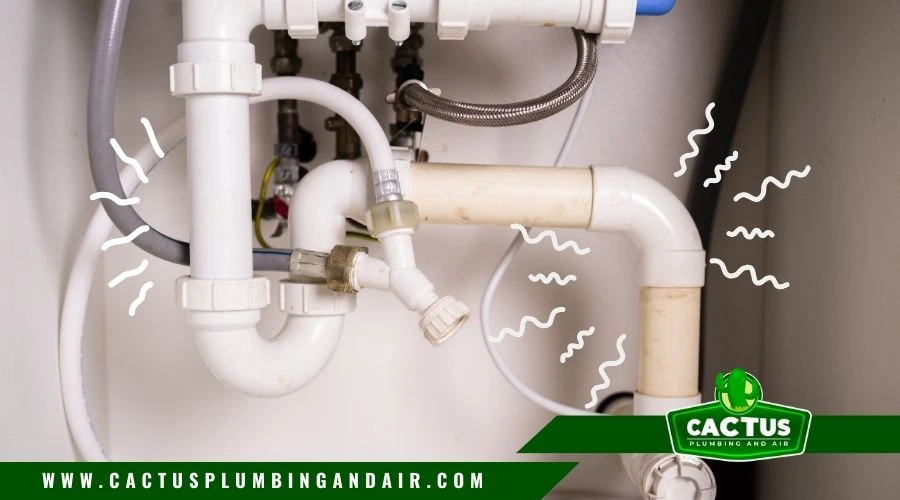
If your faucet is whistling, banging, or squealing, it could indicate an underlying issue with air trapped in the pipes, worn-out washers, or excessively high water pressure. Ignoring the problem may lead to further damage and potential leaks over time.
How to Fix It:
- Check the washers and replace them if worn, as damaged washers can create vibrations that produce noise.
- Reduce water pressure by adjusting the shutoff valve to prevent excessive force on the plumbing system.
- Bleed air from the pipes by running all faucets in the home for a few minutes to flush out trapped air pockets.
For persistent noises that are not resolved with these steps, a professional plumber can diagnose the underlying cause and provide a long-term fix to restore smooth water flow.
4. Rusty or Discolored Water
Rust-colored or brownish water from your faucet is often a sign of corroded pipes or sediment buildup in the water heater. Over time, rust and debris can accumulate within the plumbing system, leading to water contamination and potential health concerns.
How to Fix It:
- Run the faucet for a few minutes to see if the discoloration clears up, as sometimes stagnant water can collect rust particles.
- Flush the water heater to remove accumulated sediment and improve water quality.
- If discoloration persists despite flushing, your pipes may be corroded and require professional replacement to ensure clean and safe water.
5. Faucet Handle Stiffness
A faucet handle that is difficult to turn can be caused by mineral buildup, a worn-out cartridge, or rusted internal components. Over time, hard water deposits can accumulate, making it challenging to operate the faucet smoothly.
How to Fix It:
- Apply vinegar to break down mineral deposits and dissolve any buildup affecting the handle’s movement.
- Lubricate the handle mechanism with the plumber’s grease to restore smooth operation and prevent further stiffness.
- Replace the cartridge if the problem continues, as internal wear can contribute to difficulty in turning the handle.

6. Water Spitting from Faucet
If your faucet is spitting instead of providing a steady stream, air may be trapped in the pipes or a partially clogged aerator. This issue can be frustrating and make it difficult to perform everyday tasks efficiently.
How to Fix It:
- Remove and clean the aerator to remove any debris or mineral buildup obstructing water flow.
- Check the pipes for air pockets by running water for several minutes to flush out trapped air.
- If the problem persists, consider professional inspection to rule out larger plumbing issues affecting water distribution.
7. Water Won’t Shut Off Completely
If your faucet drips or runs after being turned off, the internal components may fail, leading to unnecessary water waste and higher bills.
How to Fix It:
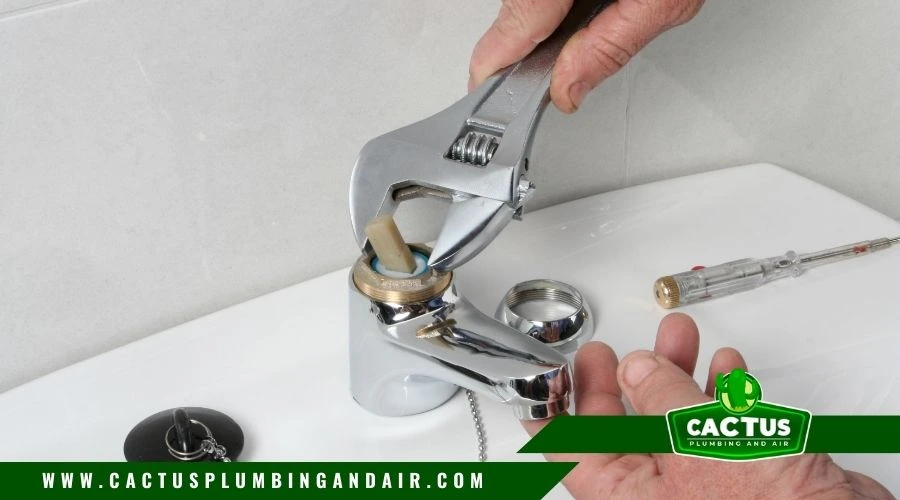
- Shut off the water supply and carefully disassemble the faucet to access internal components.
- Inspect and replace worn washers, seals, or cartridges that may be causing the issue.
- If replacing these components doesn’t resolve the problem, the faucet may need full replacement to ensure proper functionality.
When to Call a Professional
While many faucet problems can be fixed with DIY solutions, some require expert assistance. If you experience any of the following:
- Persistent leaks that DIY fixes don’t resolve lead to water waste and higher bills.
- Sudden drops in water pressure throughout the house may indicate pipe damage or blockages.
- Water discoloration that doesn’t clear after flushing the system, potentially signaling corroded pipes.
- Strange noises or vibrations in the pipes persist despite troubleshooting efforts.
Our experienced team provides fast and reliable plumbing services across Arizona, ensuring your home’s faucets and plumbing system function smoothly and efficiently.
Expert Faucet Repair & DIY Solutions – What’s Next?
Faucet problems can range from minor annoyances to serious plumbing issues, but with the proper knowledge, many can be fixed quickly. These simple troubleshooting steps can save water, money, and stress while keeping your home’s plumbing in good condition. However, for more complex repairs, don’t hesitate to contact Cactus Plumbing & Air for professional assistance. Contact us today to schedule an inspection or repair service!
Frequently Asked Questions
Why is my faucet leaking even when turned off?
Worn-out washers, O-rings, or a damaged cartridge usually cause a leaky faucet. Replacing these components can stop the leak. If the problem persists, professional repair may be needed.
How do I fix low water pressure in my faucet?
Low water pressure is often due to a clogged aerator, mineral buildup, or pipe issues. Try cleaning the aerator with vinegar and checking for leaks. A plumber can inspect for deeper plumbing issues if the pressure remains low.
Why does my faucet make a whistling noise?
A whistling faucet is typically caused by a loose washer, high water pressure, or air trapped in the pipes. Replacing the washer or adjusting the shutoff valve can help reduce noise.
What causes rust-colored water from my faucet?
Rusty or discolored water is often due to corroded pipes or sediment buildup in the water heater. Flushing the heater or replacing old pipes can resolve the issue.
Why is my faucet handle hard to turn?
Mineral deposits, worn-out cartridges, or lack of lubrication usually cause a stiff faucet handle. Applying vinegar, using a plumber’s grease, or replacing the cartridge can fix the issue.
Recent Posts
-

How to Unclog a Bathroom Sink
Nov 23, 2025 -
What is a Sewer Cleanout and How to Locate It
Oct 27, 2025