The types of drainage systems typically fall into two main categories: sanitary systems for indoor wastewater and storm systems for outdoor rainwater. It's important to keep these systems separate to avoid sewage backups and environmental hazards.
Most homeowners never think about their drainage system until a toilet overflows or the yard floods. Water damages foundations faster than almost anything else, so knowing how these systems work helps you call the right professional when problems start.
- What Are the Two Main Categories of Home Drainage
- Why Proper Drainage Separation Is Critical for Safety
- How to Identify Sewer and Water Lines Safely
- What Is the Sanitary Drainage System
- How Do Gravity Systems Work
- What Is a Septic Tank
- When Do You Need Pump-Assisted Systems
- What Are Surface Drainage Systems
- Why Are Gutter and Downspout Systems Important
- How Does Sloped Grading Drainage Help
- What Are Catch Basins and Yard Drains
- When Should You Use Trench Drains
- What Are Subsurface Drainage Systems
- How Does a French Drain Work
- What Are Footing and Foundation Drains
- Do You Need a Sump Pump
- How Do You Know Your Drainage System Is Failing
- Sanitary System Warning Signs
- Storm and Surface Warning Signs
- How Do You Maintain Your Drainage Systems
- For Sanitary Systems
- For Storm Systems
- Keeping Your Home Protected
- Frequently Asked Questions
- Can I tie my downspouts into my sewer line?
- What is the difference between a French drain and a trench drain?
- How do I know which system is clogged?
- Is hydro jetting safe for all pipes?
- Can I flush âflushableâ wipes?
What Are the Two Main Categories of Home Drainage
You must keep sewage and rainwater completely separate to prevent dangerous backups and municipal overloads. These two systems operate independently because they handle different types of water.
Home drainage systems fall into two major groups that handle different types of water, and keeping them separate protects your home from serious damage.
- Sanitary sewer systems: closed loops that carry wastewater to treatment plants.
- Municipal Separate Storm Sewer Systems (MS4): open networks that send untreated rainwater to rivers or retention basins.

Why Proper Drainage Separation Is Critical for Safety
Mixing stormwater with sewage creates flooding risks, system overloads, and expensive repairs, so proper separation is a key part of home safety.
- Never connect a rain gutter to a sanitary sewer line.
- Illegal connections overwhelm treatment plants during storms.
- Excess pressure forces raw sewage back into homes through tubs or shower drains.
How to Identify Sewer and Water Lines Safely
Utility crews rely on color-coded markings to identify underground lines, helping prevent accidents during repairs, digging, or construction work.
- Green markings indicate sewer and drain pipes.
- Blue markings indicate potable water lines.
What Is the Sanitary Drainage System
This system manages the used water and biological waste from inside your home. It relies on careful engineering to move waste away from your living space safely.
To fully understand the critical role plumbing vents play in preventing drainage issues, watch the video below:
What is a Plumbing Vent? (and Why Do You NEED it?)
How Do Gravity Systems Work
Gravity pushes water down through fixtures into traps and out to the main sewer line. Every sink, shower, and toilet connects to this network.
A critical part of this system is the vent stack on your roof. Vents bring fresh air into the pipes to prevent vacuums.
If you hear gurgling when a sink drains, your vents may be blocked. The sound happens because the pipe pulls air from nearby P-traps to equalize pressure.
What Is a Septic Tank
A septic tank treats wastewater on-site for homes that cannot connect to a city sewer line.
Solid waste settles at the bottom while liquid effluent flows into a drain field. Tanks must be pumped regularly to prevent overflow.
When Do You Need Pump-Assisted Systems
You need an ejector pump when a bathroom or laundry room sits lower than the main sewer line. These systems grind waste and lift it up so gravity can move it out.
What Are Surface Drainage Systems
Surface drainage controls water that flows across your land to prevent pooling and foundation damage.
Why Are Gutter and Downspout Systems Important
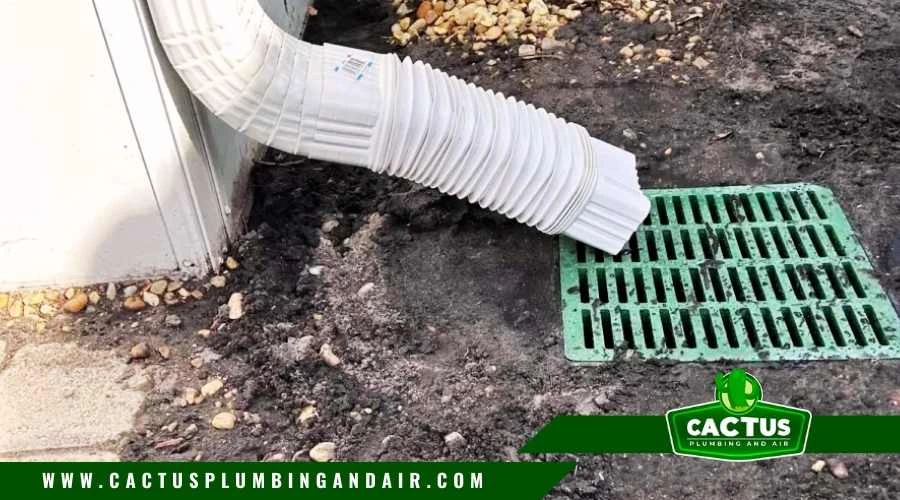
Gutters collect roof runoff, and downspouts push it away from your home. Extensions should guide water 4–6 feet away from the foundation. Never tie these into your sanitary sewer.
How Does Sloped Grading Drainage Help
Proper grading moves water away from your foundation and prevents soil from pooling near your home. The ground should slope downward, ideally about 6 inches over the first 10 feet. Following proper grading around your home is especially important in clay soil areas, where wet soil swells and dry soil shrinks, increasing the risk of cracks or foundation movement. Poor grading can lead to serious structural damage over time.
What Are Catch Basins and Yard Drains
A catch basin is a box with a grate that collects surface water and traps sediment. The sump inside collects debris to prevent clogs. You must clean this sump regularly to avoid standing water and mosquitoes.
When Should You Use Trench Drains
Trench drains (also called channel drains) sit in paved areas like driveways. They collect sheets of water and redirect it safely.
What Are Subsurface Drainage Systems
Subsurface drainage systems manage hidden groundwater that builds up beneath the soil, helping prevent pressure that can damage your foundation over time.
How Does a French Drain Work
A French drain uses a perforated pipe buried in gravel to relieve water pressure in saturated soil. In clay regions, use non-woven geotextile fabric since woven fabric clogs.
What Are Footing and Foundation Drains
These drains are installed around the footing when the home is built. They prevent water pressure from pushing against foundation walls.
Do You Need a Sump Pump
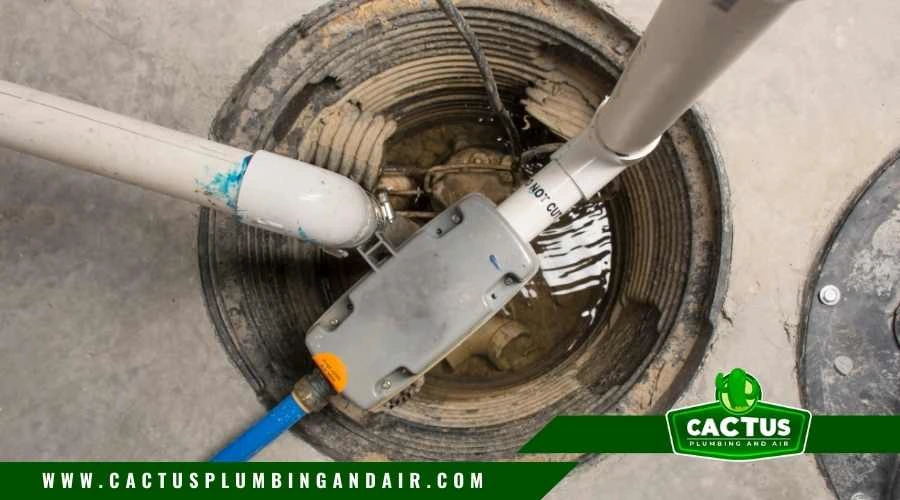
A sump pump removes groundwater from a pit, often in basements, and helps keep the area dry during storms. You should always have a battery backup, especially during power outages when flooding is most likely. According to FEMA, you should assess your sump pump once a year to ensure it works when you need it most.
How Do You Know Your Drainage System Is Failing
A failing drainage system often shows early signs through smell, slow movement of water, or persistent moisture around your home, both indoors and outdoors.
Sanitary System Warning Signs
Sanitary system issues usually appear inside the home and often include unusual noises, slow drainage, or foul odors that signal a blockage or system failure.
- Strange Noises: Toilets gurgle when you run the sink.
- Slow Flow: Multiple drains clog at the same time.
- Odor: You smell sewage inside the house or in the yard.
- Backups: Water comes up in the shower when you flush.
Storm and Surface Warning Signs
Storm and surface drainage problems usually show up outside the home, with signs like standing water, soil movement, or structural changes around the foundation.
- Pooling: Water stands in the yard for more than 24 hours after rain.
- Moisture: You see mold forming in the basement or on low walls.
- Structural Issues: Cracks appear in your foundation or interior walls.
- Separation: Soil pulls away from the foundation of the house.
How Do You Maintain Your Drainage Systems
Both sanitary and storm systems need routine care because small issues can grow into expensive repairs if clogs, debris, or soil movement go unchecked for too long.
For Sanitary Systems
Sanitary systems require careful maintenance since blockages, aging materials, or improper use can quickly cause backups that affect multiple fixtures at once.
- Inspect before you clean: Always use a video camera inspection before hydro-jetting old pipes. Older materials like Orangeburg pipe can collapse.
- Stop flushing wipes: Even products labeled “flushable” do not break down like toilet paper and often cause major blockages inside your sewer line. The EPA encourages Americans to only flush toilet paper to prevent costly plumbing damage and protect local wastewater system
- Pool draining: Follow local rules when draining pool water into a sanitary cleanout, not the storm drain.
For Storm Systems
Storm drainage needs regular upkeep because leaves, sediment, and debris easily collect in gutters and drains, reducing flow and increasing flood risk around your home.
- Clean gutters: Clear them twice a year to stop overflow.
- Clear grates: Remove leaves from catch basins and yard drains.
- Test pumps: Pour a bucket of water into your sump pit each spring.
Keeping Your Home Protected
A healthy home needs both sanitary and storm systems functioning properly. Neglecting either can cause structural issues or health risks.
If your yard is swampy or your drains run slowly, you may need professional help.
Cactus Plumbing and Air provides full sewer, drain, and outdoor plumbing diagnostics and drain cleaning services in Scottsdale. Schedule your inspection today.
Frequently Asked Questions
Can I tie my downspouts into my sewer line?
No. Downspouts should never connect to a sewer line because large amounts of rainwater can overwhelm the system and push sewage back into your home, creating a serious health and safety risk.
What is the difference between a French drain and a trench drain?
A French drain collects groundwater below the surface, while a trench drain sits at ground level to capture rainwater flowing across driveways or patios, helping prevent surface flooding and pooling.
How do I know which system is clogged?
If water backs up inside your sinks or toilets, the sanitary system is blocked. If water pools in your yard or driveway after rain, the issue is in your storm or surface drainage, not the indoor pipes.
Is hydro jetting safe for all pipes?
Hydro jetting works well for strong modern pipes, but older materials like Orangeburg or brittle clay can crack under high pressure, so always inspect the line first to avoid damaging fragile sections.
Can I flush “flushable” wipes?
No. Even wipes labeled “flushable” do not break down like toilet paper and often get stuck in bends or joints, creating large clogs that block your entire sewer line and lead to expensive repairs.
Recent Posts
-

How to Unclog a Bathroom Sink
Nov 23, 2025 -
What is a Sewer Cleanout and How to Locate It
Oct 27, 2025