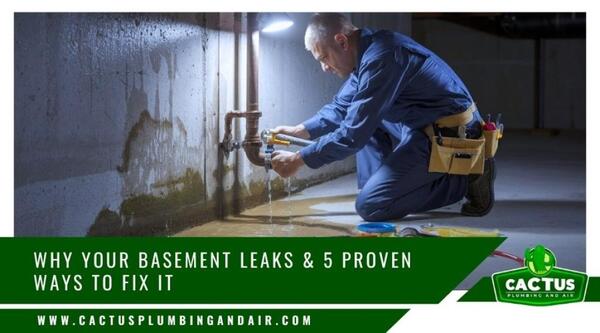
A basement leak is more than just an inconvenience—it’s a serious issue that can lead to costly damage and health risks. Whether it's mold growth, structural weakening, or an overall damp, musty smell, basement leaks require prompt attention. If left unresolved, it may even necessitate plumbing repair service to prevent further damage. In this post, we'll dive into the common causes of basement leaks and provide you with five simple but effective ways to fix them.
What Causes Basement Leaks?
Before you can address a basement leak, you need to understand the root causes. Two of the most common reasons for basement leaks are hydrostatic pressure and the clay bowl effect. Let's take a deeper look at these issues.
1. Hydrostatic Pressure
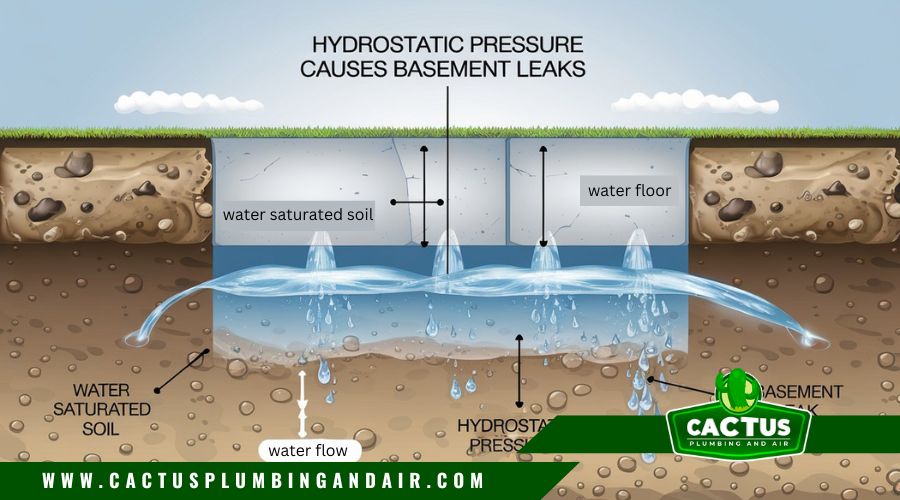
Hydrostatic pressure is one of the main causes of basement leaks. It’s a natural force exerted by groundwater against the foundation walls and floor. As soil surrounding your home becomes saturated with rainwater, the excess moisture builds up and creates pressure against the basement’s foundation. Over time, this pressure forces water through any cracks, holes, or porous areas in the foundation, resulting in leaks.
Hydrostatic Pressure Explained: When the ground around your house is wet and saturated, it puts immense pressure on your basement walls and floors, which can cause water to seep through cracks.
2. Clay Bowl Effect
Another common cause of basement leaks is the clay bowl effect. When your house was first built, the foundation was likely surrounded by backfilled soil. This soil, often looser and more permeable, allows water to accumulate around your foundation, much like water filling a bowl. The deeper, undisturbed soil, however, tends to be more compact and clay-like. This creates a barrier for water, which can lead to leaks as the water pools and presses against your foundation walls.
Clay Bowl Effect in Action: During heavy rainfall or groundwater saturation, water can collect in the backfill around your foundation, leading to hydrostatic pressure and eventually leaks through the foundation.

How to Identify the Source of Your Basement Leak
Finding the source of a basement leak is essential for fixing it. Here are some common areas to inspect for leaks:
1. Basement Floor Joint Leaks
If water is leaking through the basement floor joint, you might notice signs such as damp spots, cracks, mold, peeling paint, or efflorescence (white powdery stains on the walls). These leaks tend to worsen after heavy rainfall, as more water enters the foundation through the joint.
Signs of a Leaky Floor Joint: Look for water stains, mold, and signs of efflorescence along the floor or walls. Cracks or uneven surfaces may also signal water entry.
2. Basement Wall Leaks
Basement walls are another common source of leaks. Walls are crucial for supporting your foundation, but if they aren't properly waterproofed, water can seep in. Common causes of wall leaks include:
- Cracks: Stress-induced cracks can form from soil movement or settling.
- Pipe Penetrations: Leaky or improperly sealed pipe holes can let water enter the basement.
- Gaps in Grout: Eroded grout lines in masonry walls can allow water to seep through.
Wall Leak Indicators: Cracks, peeling paint, rusting pipes, and crumbling mortar are all signs that your basement walls may be leaking.
3. Leaking Basement Windows
Improper drainage in window wells, faulty sealing, and poor grading around the foundation can lead to basement window leaks. If water accumulates in poorly designed window wells or around windows, it can seep inside.
Signs of Window Leaks: Water pooling in window wells, rotting wood, rusted frames, or condensation are common indicators of a window leak.
4. Plumbing Leaks
Leaks can sometimes be caused by issues with plumbing, such as a broken water heater or a leaking washing machine hose. These leaks are often localized but can cause significant water damage over time.
Plumbing Leak Symptoms: Water pooling near appliances, rust stains, or signs of water damage around pipes can indicate plumbing-related leaks.
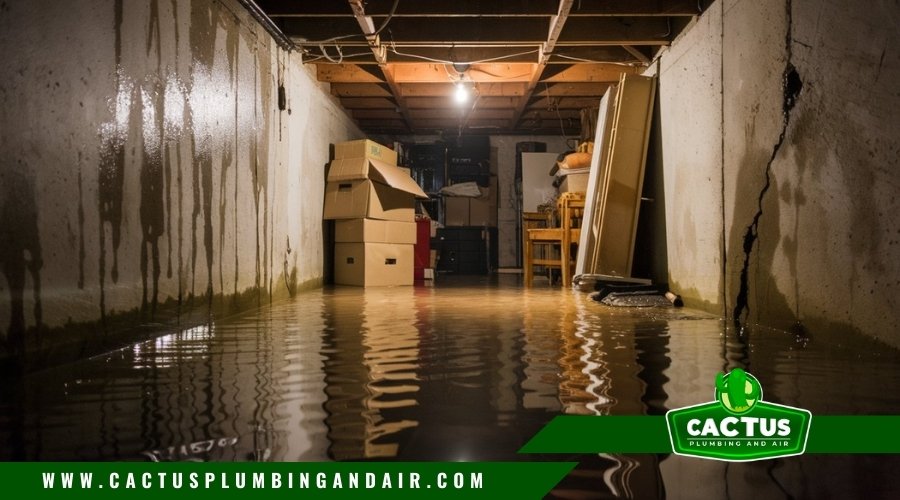
What to Do If Your Basement Is Leaking
Once you've identified the source of the leak, it's time to take action. Here are five practical steps to prevent further water damage.
1. Clean Your Gutters and Downspouts
Clogged gutters and downspouts are one of the primary causes of water pooling around your foundation. When gutters become clogged with leaves and debris, they can't direct water away from your home, causing it to pool near the foundation. This water will eventually seep into the basement.
Action Step: Clean out all debris from your gutters and downspouts to ensure proper drainage and prevent water from accumulating around your foundation.
2. Seal Foundation Cracks
Even small cracks in your foundation can lead to leaks. It's important to regularly inspect both the interior and exterior of your foundation for cracks or gaps that may allow water to enter. Minor cracks can be sealed with a waterproof sealant, while larger issues might require professional help.
Action Step: Seal minor cracks in your foundation using an appropriate sealant. For more severe cracks, contact a professional to assess and repair the damage.
3. Address Grading Problems
The grading around your home plays a key role in water drainage. If the ground slopes toward your foundation, it can cause water to pool around your basement walls. To prevent this, make sure the soil around your home slopes away from the foundation.
Action Step: Add soil around your foundation to improve grading and ensure that water drains away from your home.
4. Clean and Maintain Window Wells
If your basement windows are leaking, the issue might be clogged window wells. These wells can trap water during rainstorms or snowmelt, leading to leaks. Clean out any debris that may block drainage and ensure the well is functioning properly.
Action Step: Regularly clean your window wells and ensure they are free of leaves, dirt, and other obstructions.
5. Hire a Basement Waterproofing Expert
In some cases, the problem may be too complex to resolve on your own. If you're unable to fix the leaks, it's best to contact a professional basement waterproofing company. They can assess the damage and recommend solutions tailored to your specific needs.
Action Step: Contact a reputable basement waterproofing company if you're unable to locate or fix the leak on your own.
Prevent Basement Leaks and Protect Your Home
In conclusion, basement leaks are not something to ignore. They can lead to significant damage to your home and pose health risks if not addressed in a timely manner. By understanding the common causes of basement leaks and implementing simple yet effective solutions, you can safeguard your home from water damage. If you're facing persistent basement leaks, don't hesitate to contact a professional for help. Cactus Plumbing And Air is here to provide expert plumbing repair services and help you keep your basement dry and secure.
Frequently Asked Questions
1. How can I tell if my basement leak is from a plumbing issue?
Plumbing leaks typically cause pooling water near appliances or along pipes. Look for signs such as wet spots near water heaters, washing machines, or leaking pipes. If you notice water near plumbing fixtures but not due to external rain or groundwater, it's likely a plumbing issue.
2. What is the difference between hydrostatic pressure and the clay bowl effect?
Hydrostatic pressure is the force exerted by water against your foundation due to saturated soils. The clay bowl effect, on the other hand, occurs when water collects in loose soil around your foundation, creating pressure and causing leaks.
3. Can basement leaks cause foundation damage?
Yes, prolonged basement leaks can weaken your home's foundation over time. Constant water pressure against the walls and floor can lead to cracks, erosion, and even structural instability if not addressed promptly.
4. How can I prevent basement leaks in the future?
Regular maintenance is key. Keep gutters and downspouts clean, ensure proper grading around your foundation, seal any cracks in the foundation, and inspect window wells to prevent water from accumulating. Consider installing a sump pump for added protection.
5. Is it safe to attempt DIY basement leak repairs?
Minor leaks and cracks can sometimes be repaired with sealants or foundation patches. However, significant water issues, such as hydrostatic pressure or severe foundation cracks, should be handled by professionals to avoid further damage.
Get Expert Help for Basement Leaks Today
If you're dealing with basement leaks, Cactus Plumbing And Air is your trusted partner for effective solutions. Our experienced team, led by a professional plumber Gilbert, is ready to diagnose and fix your basement leaks, ensuring your home remains safe and dry. Contact us today for expert plumbing repair services and say goodbye to the hassle of basement leaks. Reach out now to schedule an appointment!
Recent Posts
-

How to Unclog a Bathroom Sink
Nov 23, 2025 -
What is a Sewer Cleanout and How to Locate It
Oct 27, 2025