Clogged drains can be a hassle, but they don't have to ruin your day. Whether it's a slow-draining sink or a shower that won't drain, understanding the problem and using the right methods can help you fix it quickly. This guide covers common signs, causes, and the best ways to clear clogs while avoiding common mistakes.
- Common Signs of a Clogged Drain
- Common Causes of Clogged Drains
- Hair and Soap Scum
- Grease and Food Waste
- Oily Products
- DIY Methods to Clear a Clogged Drain
- What to Avoid When Clearing a Clog
- Using Wire Hangers
- Overusing Harsh Chemicals
- Dismantling Pipes Without Expertise
- Tools and Products for Clearing Stubborn Clogs
- Drain Snakes and Augers
- Wet/Dry Vacuum
- Eco-Friendly Drain Cleaners
- Preventative Measures to Avoid Clogged Drains
- Use Drain Covers and Strainers
- Dispose of Grease and Food Properly
- Clean Drains Regularly
- When to Call a Professional Plumber
- Persistent Clogs
- Multiple Clogged Drains
- Signs of Sewer Line Damage
- Why Clearing a Clogged Drain Matters
- Frequently Asked Questions
- How do you clear a completely clogged drain?
- What is the best way to prevent clogged drains?
- Why shouldn't I use baking soda and vinegar for every clog?
- What do plumbers use to unclog drains?
- Can I pour boiling water down all the drains?
- Get Professional Help for Your Drain Clog Today
Common Signs of a Clogged Drain
Identifying a clogged drain early can prevent bigger problems. Look for these signs:
- Slow Draining Water: If water pools in your sink or tub, it clearly shows a blockage.
- Unpleasant Odors: Foul smells often indicate rotting debris in your pipes.
- Gurgling Noises: These noises happen when air can't flow properly through your plumbing.
- Standing Water: Water backing up in sinks or tubs indicates severe clogs.
Common Causes of Clogged Drains
Understanding what causes clogged drains helps you choose the best solution and prevent future blockages. Here are the most common culprits:
Hair and Soap Scum
Hair often gets tangled with soap residue, forming clumps that block bathroom drains. This is the most frequent cause of shower and bathtub clogs.
Kitchen sinks often get clogged by grease, oil, and food scraps. Even if you use a garbage disposal, some particles stick to your pipes and build up over time.
Oily Products
Bath oils and petroleum-based products don't dissolve easily. They stick to pipe walls, trapping debris and causing stubborn clogs.

DIY Methods to Clear a Clogged Drain
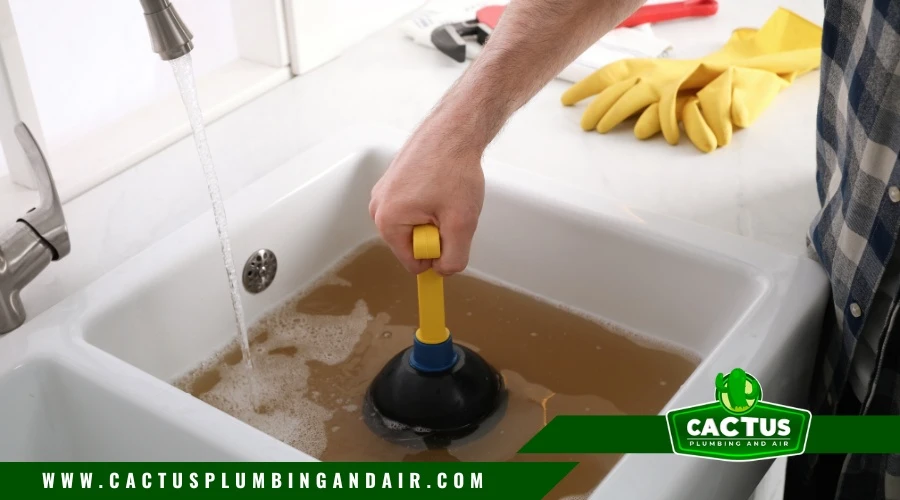
Trying simple DIY methods can often save you time and money when dealing with a clogged drain. Each method works differently and has its strengths and limitations. The table below compares three common techniques using a plunger, pouring boiling water, and baking soda and vinegar solution to help you decide the best option.
| Method | How It Works | Best For | Advantages | Limitations |
| Plunger | Creates suction to dislodge blockages by sealing the drain and using forceful plunges. | Minor clogs in sinks, tubs, and toilets. | Affordable, easy to use, and works quickly. | It may not work on stubborn or deep clogs. |
| Boiling Water | Dissolves grease and soap buildup by breaking down the residue with heat. | Grease and soap scum clogs in metal pipes. | Simple, cost-effective, and requires no tools. | It can damage PVC pipes; ineffective for severe clogs. |
| Baking Soda & Vinegar | Combines an acidic reaction with mild abrasion to break down debris and clear pipes. | Minor blockages in most drains. | Eco-friendly, non-toxic, and safe for all pipes. | Requires waiting time and may not work for larger clogs. |

What to Avoid When Clearing a Clog
Taking the wrong approach to unclogging a drain can lead to damaged pipes, wasted time, and increased frustration. Avoid these common mistakes to ensure your efforts are effective and safe.
Using Wire Hangers
While a wire hanger may seem like a quick solution, it can scratch or puncture the inside of your pipes. This damage can worsen the blockage or cause leaks that require professional repairs.
Overusing Harsh Chemicals
Chemical drain cleaners may offer a quick fix, but frequent use can corrode pipes over time, especially older metal plumbing. Additionally, these chemicals can be harmful to the environment and unsafe if mishandled.
Dismantling Pipes Without Expertise
Taking apart pipes to remove clogs might seem straightforward, but improper reassembly can lead to leaks. Leave pipe disassembly to professionals with the tools and training to handle the task safely.
Tools and Products for Clearing Stubborn Clogs
When a plunger or boiling water doesn't work, it's time to consider tools and products designed for tougher clogs. Here are some effective options:
Drain Snakes and Augers
These tools are excellent for breaking up or removing clogs deeper into the pipes. They are available in manual and motorized versions, making them versatile for different levels of blockage.
Wet/Dry Vacuum
A wet/dry vacuum can create strong suction to pull out debris. It works well for hair and small solid items trapped in the drain.
Eco-Friendly Drain Cleaners
Enzyme-based drain cleaners break down organic material without damaging pipes or harming the environment. These are safer alternatives to harsh chemical products.

Preventative Measures to Avoid Clogged Drains
Preventing clogs is often easier and more cost effective than dealing with them. Simple maintenance and smart habits can keep your drains running smoothly and save you from costly repairs.
Use Drain Covers and Strainers
Drain covers are inexpensive to catch hair, food particles, and debris before they enter your pipes.
- For kitchen sinks: Use strainers to trap food waste.
- For showers and bathtubs: Hair traps prevent tangles and clogs.
Dispose of Grease and Food Properly
Pouring grease down the drain is a leading cause of kitchen clogs. As the grease cools, it solidifies and sticks to the pipe walls.
- Collect grease in a disposable container and throw it in the trash.
- Scrape food waste into the garbage before rinsing plates.
Clean Drains Regularly
Routine maintenance can prevent buildup:
- Flush drains monthly with baking soda and vinegar, followed by hot water.
- Avoid overusing soap or products that create excessive residue in the pipes.

When to Call a Professional Plumber
Some clogs are too stubborn or complex for DIY methods. Professional plumbers have the tools and expertise to address these problems effectively, ensuring that your plumbing system remains functional and free from damage.
Here are the key situations when calling a plumber is the best option:
Persistent Clogs
When DIY methods like plungers or drain snakes fail, a persistent clog may indicate a more serious problem within your plumbing system. These blockages can occur deep in the pipes or the main sewer line, making them easier to reach with specialized equipment.
- Clogs that keep returning after temporary fixes.
- Slow drainage even after multiple cleaning attempts.
- Evidence of buildup deep in the pipes.
Multiple Clogged Drains
If you notice clogs in multiple fixtures, such as a sink and shower, it's often a sign of a systemic issue. A clogged main line can affect the entire plumbing system, requiring professional-grade solutions.
- Water backs up in multiple drains simultaneously.
- Overflow in one fixture when another is used.
- Widespread gurgling noises across fixtures.
Signs of Sewer Line Damage
Issues like water backups, unpleasant odors, or unusual sounds in your plumbing may point to sewer line damage. This can result from tree roots, pipe corrosion, or shifting soil, requiring immediate professional attention to prevent further complications.
- Persistent foul odors near drains or outside your home.
- Water backing up into toilets, sinks, or bathtubs.
- Sewage was visible in the yard or near the drain line.

Why Clearing a Clogged Drain Matters
A clogged drain might seem like a minor inconvenience, but ignoring it can lead to bigger problems, such as water damage, pipe corrosion, or even costly repairs. Properly addressing clogs ensures your plumbing system runs smoothly and prevents recurring issues. Whether you're dealing with a stubborn blockage or need help maintaining your drains, trust plumber gilbert at Cactus Plumbing And Air. Their expert team provides fast, effective solutions tailored to your needs, ensuring peace of mind and long-lasting results.
Frequently Asked Questions
How do you clear a completely clogged drain?
Using a plunger or a drain snake is often the best place to start. If these don't work, try eco-friendly solutions like baking soda and vinegar, or call Cactus Plumbing And Air for professional help.
What is the best way to prevent clogged drains?
Install drain covers to catch debris, avoid pouring grease down the sink, and clean your drains regularly with non-toxic solutions like baking soda and vinegar.
Why shouldn't I use baking soda and vinegar for every clog?
While effective for minor blockages, this method may not resolve severe clogs and can sometimes push debris deeper. For tough clogs, contact Cactus Plumbing And Air.
What do plumbers use to unclog drains?
Plumbers use advanced tools like hydro jetters, motorized drain snakes, and camera inspections to locate and clear clogs efficiently. Call Cactus Plumbing And Air for expert assistance.
Can I pour boiling water down all the drains?
Boiling water is safe for metal pipes but can damage PVC pipes or loosen joints in older plumbing. If unsure, it's best to consult Cactus Plumbing And Air.
Get Professional Help for Your Drain Clog Today
Don't let a clogged drain disrupt your home and daily routine. For fast, reliable, and affordable drain cleaning services, contact Cactus Plumbing And Air. Their skilled team is ready to tackle any clog with expertise and care. Call (480) 933-7732 today to schedule an appointment and enjoy stress-free plumbing solutions!
Recent Posts
-

How to Unclog a Bathroom Sink
Nov 23, 2025 -
What is a Sewer Cleanout and How to Locate It
Oct 27, 2025