A slow-draining sink or unpleasant odor from the drain often points to a problem inside the P-trap, the curved pipe located beneath your sink.
You can clean a P-trap without removing it by flushing it with hot water, using baking soda and vinegar, or by using a drain brush or enzyme cleaner to loosen debris. These simple methods help dissolve buildup and restore proper water flow without taking apart your plumbing.
In this guide, you'll learn what a P-trap does, why it gets clogged, and four easy DIY methods to clean it effectively without removing a single pipe.
- What is a P-Trap and What Does It Do?
- Trapping Debris & Retrieving Lost Items
- The Water Seal that Blocks Sewer Gas
- Tools and Precautions for a Clean P-Trap
- Essential Tools & Materials
- Critical Safety Warnings
- 4 Ways to Clean a P-Trap Without Removing It
- 1. Hot Water
- 2. Baking Soda & Vinegar
- 3. Bent Hanger or Drain Brush
- 4. A Safer Alternative
- When Should You Remove the P-Trap?
- Step-by-Step Guide to Removing a P-Trap
- When to Call a Professional Plumber
- Keep Your Drains Flowing Freely
- Frequently Asked Questions
- What is the purpose of the P-shaped pipe under my sink?
- I dropped a ring down the drain, is it in the P-trap?
- Why does my sink smell like sewer gas?
- What should I do if my P-trap is leaking?
- Is it easy to remove and clean a P-trap?
What is a P-Trap and What Does It Do?
A P-trap is the curved pipe under a sink that serves two main functions: trapping debris and blocking sewer gas. The main job of that P-shaped pipe is to keep your home's plumbing running smoothly and safely. It achieves this in two important ways:
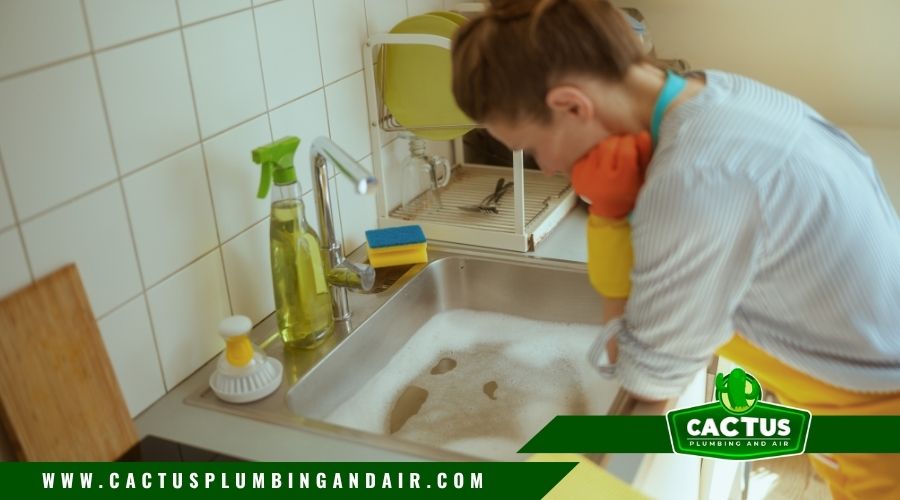
Trapping Debris & Retrieving Lost Items
The dip in the P-trap is designed to catch hair, food particles, and other debris before they can travel further into your plumbing and cause a more serious clog. This sink trap also serves as a perfect collection point for accidentally dropped items, such as a wedding ring. If you've ever dropped something valuable down the drain, it's likely waiting for you in the P-trap.
The Water Seal that Blocks Sewer Gas
The P-trap holds a small amount of water in its bend at all times. This plug of water creates a water seal, which acts as a barrier to stop unpleasant and potentially harmful sewer gas from rising up from the sewer lines and entering your home. If you've ever noticed a sewer-like smell from a rarely used sink, it's because this water seal has evaporated.
Tools and Precautions for a Clean P-Trap
Before starting, gather the right tools and take some simple precautions to make the job safe and clean.
Essential Tools & Materials
You will need a few basic items to clean your P-trap, whether you plan to remove it or not. To ensure the process is safe and clean, gather these essential tools and materials:
- Bucket or Pan
- Rubber Gloves
- Flashlight
- Rags or Old Towels
- Flexible Drain Brush or a Bent Wire Hanger
- Baking Soda and White Vinegar
- Boiling Water
- Channel-lock Pliers or Slip-joint Pliers
Critical Safety Warnings
It is also important to keep a few safety measures in mind before you begin. Following these warnings will protect you and your plumbing from harm:
- NEVER Mix Chemicals: Do not pour different chemical drain cleaners down the drain at the same time, as the reaction can create toxic fumes and damage your pipes.
- Ventilation: Always work in a well-ventilated area, especially if you are dealing with strong odors from the drain.
- Hot Water & PVC: Be careful when pouring boiling water down PVC pipes, especially if they are old or brittle, as extreme heat can soften the plastic.
4 Ways to Clean a P-Trap Without Removing It
You can clear minor drain clogs caused by organic buildup like hair, grease, and soap scum using one of four simple methods. These techniques are effective for routine maintenance and clearing slow drains.
1. Hot Water
For greasy clogs, a hot water flush is often all you need. Bring a pot of water to a high temperature, but just short of boiling. Pour it slowly and carefully down the drain to help melt and wash away grease and soap buildup. Repeat two or three times.
2. Baking Soda & Vinegar
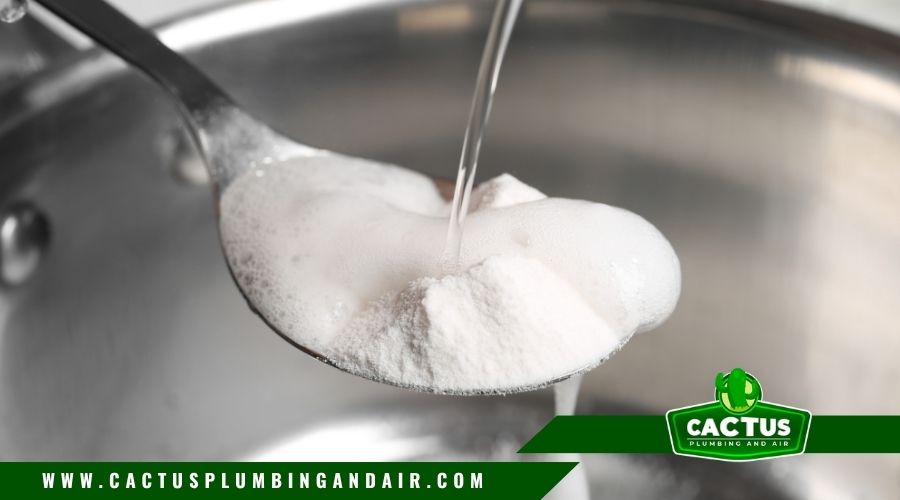
This is a classic, non-toxic cleaning method. First, pour about a half cup of baking soda down the drain. Follow it with a half cup of white vinegar. The mixture will fizz and bubble. Let it sit for 15-30 minutes to break down the grime, then flush the drain with hot water.
3. Bent Hanger or Drain Brush
If you have a clog caused by hair, you may need to remove it physically. Straighten a wire coat hanger, but leave a small hook at the end. Push the wire down the drain, wiggle it around to hook the clog, and pull it out. A flexible drain brush works even better for this.
4. A Safer Alternative
Enzyme-based drain cleaners are a safe alternative to harsh chemical products. They use natural enzymes and bacteria to break down at organic waste clogging the pipe. They are slower-acting but are non-corrosive and better for your pipes and the environment.
When Should You Remove the P-Trap?
You must remove the P-trap to retrieve a solid object or clear a very dense, stubborn clog. Non-removal methods won't work for everything. For a serious blockage or when retrieving lost items, taking the trap off is the only solution.
Step-by-Step Guide to Removing a P-Trap
This process requires only a few basic tools and can be completed in under an hour. Follow these simple steps to safely remove and clean your P-trap:
- Preparation: Place a bucket directly under the P-trap to catch water and debris, and put on your rubber gloves.
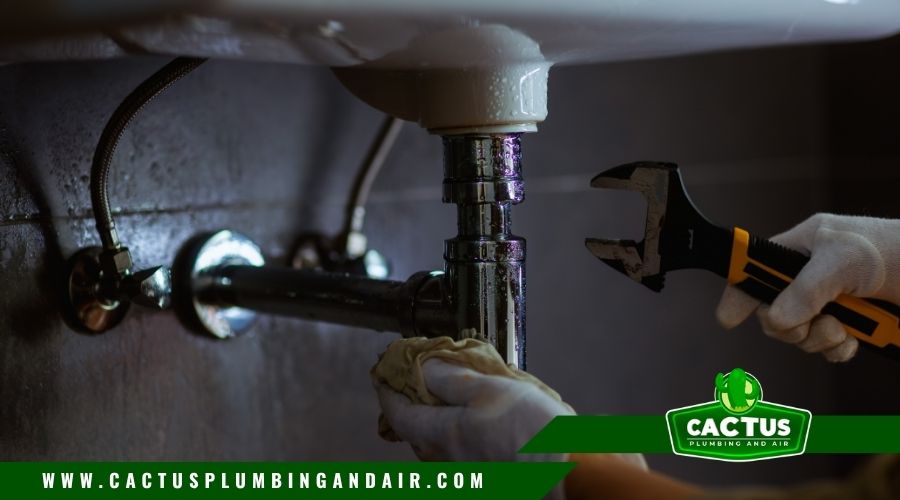
- Loosening the Fittings: Locate the two large nuts, called slip nuts, that connect the P-trap to the sink's tailpiece and the wall pipe. These compression fittings are designed to be loosened by hand.
- Detaching the Trap: Turn the slip nuts counter-clockwise to loosen them. If they are too tight, use channel-lock pliers to get them started, then unscrew them completely and gently pull the trap down.
- Emptying and Cleaning: Empty the trap's contents into the bucket. Fish out any lost items, clean the inside of the pipe with a flexible brush, and rinse it in another sink.
- Reinstallation: Position the P-trap back in place, ensuring the internal washers are seated correctly. Hand-tighten the slip nuts, then give them a final quarter-turn with pliers to ensure a snug fit. Run the water to check for leaks.
When to Call a Professional Plumber
Sometimes a clog is too severe for a DIY fix, and it's time to call a professional. You should call a plumber if you encounter any of the following issues:
- The Clog Persists: You have tried these DIY methods, but the drain is still clogged.
- Multiple Drains are Clogged: If several drains in your house are clogged at the same time, it signals a deeper problem in your main sewer line.
- The Leak Continues: Your P-trap continues to leak after you have re-tightened the fittings.
- You Are Not Comfortable: You are not confident performing any of these steps and would prefer professional assistance.
Keep Your Drains Flowing Freely
Your sink's P-trap is a vital part of your home's plumbing, preventing clogs and blocking sewer gas. For minor issues like a slow drain, non-removal methods can work wonders. For stubborn clogs or to retrieve a lost item, removing the trap is a manageable task.
By following these steps, you can keep your drains flowing freely. However, for complex issues or any plumbing problem you're not comfortable handling, our team at Cactus Plumbing and Air provides expert drain cleaning in Glendale, and we are always ready to help.
Frequently Asked Questions
What is the purpose of the P-shaped pipe under my sink?
It serves two main purposes: it traps debris to prevent deeper clogs in your plumbing system, and it holds a plug of water that acts as a seal to block unpleasant sewer gases from entering your home.
I dropped a ring down the drain, is it in the P-trap?
Most likely, yes. The curve in the P-trap is designed to catch heavier items that fall down the drain, making it the first place you should check for lost valuables.
Why does my sink smell like sewer gas?
This is usually because the water seal in the P-trap has evaporated, often in a sink that isn't used frequently. Running the water for 30-60 seconds will refill the trap and restore the seal, blocking the odor.
What should I do if my P-trap is leaking?
A leak often comes from the slip nuts at each end of the trap. First, try hand-tightening them. If that doesn't work, use channel-lock pliers for a quarter-turn. If your problem persists, the internal washer may need to be replaced.
Is it easy to remove and clean a P-trap?
Yes, for most homeowners, it is a straightforward task. You only need a bucket, gloves, and perhaps a pair of pliers. By loosening the two slip nuts, the trap comes off for easy cleaning or item retrieval.
Recent Posts
-

How to Unclog a Bathroom Sink
Nov 23, 2025 -
What is a Sewer Cleanout and How to Locate It
Oct 27, 2025