
Kitchen sink plumbing problems can disrupt daily life and lead to costly repairs if ignored. Issues like clogs, leaks, and slow drainage are common, but they don't have to be overwhelming. Knowing the causes and solutions not only saves you money but also helps maintain your kitchen's plumbing system for the long term. In this blog, we'll explore the most common plumbing issues, how to fix kitchen sink plumbing effectively, and when to seek professional help.
- Causes of Kitchen Sink Plumbing Problems
- Common Culprits: Grease, Food Waste, and Debris
- How Aging Pipes and Fixtures Contribute to Issues
- DIY Fixes for Kitchen Sink Problems
- Simple Solutions for Clogged Drains
- Temporary Fixes for Leaks and Drips
- Choosing the Right Materials for Repairs
- Best Pipe Materials for Long-Term Durability
- Selecting Quality Fixtures and Components for Repairs
- Risks of Ignoring Sink Plumbing Problems
- Potential Damage to Cabinets and Flooring
- How Small Issues Can Escalate into Major Repairs
- When to Call a Professional
- Recognizing Complex Issues Beyond DIY Fixes
- Benefits of Hiring an Experienced Plumber
- Why Timely Plumbing Repairs Matter in Mesa, AZ
- Frequently Asked Questions
- What tools should I keep for sink plumbing emergencies?
- Can hard water damage my kitchen sink plumbing?
- How often should I check for leaks under my sink?
- What should I do if my sink drain smells like sewage?
- Are modern plumbing components worth the investment?
- Get Expert Plumbing Services in Mesa, AZ
Causes of Kitchen Sink Plumbing Problems
Plumbing problems in your kitchen sink usually develop over time due to daily use, but some can appear suddenly. Understanding the common causes makes it easier to prevent or address these issues before they become major inconveniences.
Common Culprits: Grease, Food Waste, and Debris
Blockages often result from everyday habits that allow grease, food waste, or debris to build up in the drain. These materials restrict water flow and can lead to complete clogs. Here are the typical culprits:
- Grease: Hardens as it cools, sticking to pipe walls and trapping other debris.
- Food Waste: Items like coffee grounds, fibrous vegetables, or starchy foods build up and obstruct pipes.
- Debris: Non-food objects, including wrappers or paper towels, accidentally flushed down can block drains entirely.
Prevent these problems by disposing of grease in a sealed container and scraping plates into the trash before washing. Using a sink strainer also helps catch debris.

How Aging Pipes and Fixtures Contribute to Issues
Older plumbing systems often show signs of wear and tear that lead to leaks, reduced water flow, or even burst pipes. Corrosion weakens pipe walls over time, and outdated materials are prone to inefficiency. These problems can significantly affect the performance of your kitchen sink. Here are the typical indicators:
- Low Water Pressure: Mineral deposits or corrosion inside the pipes reduce water flow.
- Frequent Leaks: Loose connections or cracks often appear in older pipes.
- Rust and Discoloration: Visible rust on pipes or fittings signals serious deterioration.
Replacing old pipes and fixtures with modern materials like PVC or PEX can provide a durable, long-lasting solution to these common issues.
DIY Fixes for Kitchen Sink Problems
Many kitchen sink plumbing problems can be resolved at home with simple tools and techniques. Tackling these issues early prevents them from escalating into more serious repairs.
Simple Solutions for Clogged Drains
Clogs are the most frequent kitchen sink issue, but they can usually be resolved with DIY methods. Here's how to fix kitchen sink plumbing when faced with a clog:
- Plunge the Drain: Create a tight seal with a sink plunger and use strong, steady motions to dislodge the blockage.
- Baking Soda and Vinegar: Pour half a cup of baking soda into the drain, followed by half a cup of vinegar. Let it fizz for 15 minutes, then flush with boiling water.
- Use a Drain Snake: For clogs further down the pipe, insert a plumbing snake and twist it to break up or pull out the blockage.
Regular plumbing maintenance can keep your drains clear. Rinse the pipes weekly with hot water and avoid putting grease or large food scraps into the sink.
Temporary Fixes for Leaks and Drips
Leaking faucets or pipes under the sink can waste significant amounts of water and cause structural damage if not resolved. These problems can often be managed temporarily until permanent repairs are made. Here are steps to address small leaks:
- Tighten Connections: Secure loose fittings with a wrench to stop water leakage.
- Apply Plumber's Tape: Wrap the threads of leaking connections to create a temporary seal.
- Use Plumber's Putty: Apply putty to seal small cracks or gaps and prevent further leaks.
While these fixes offer short-term relief, it's important to repair or replace damaged components promptly to avoid long-term complications.
Choosing the Right Materials for Repairs
Selecting the right materials for your kitchen sink plumbing repairs is essential for long-term reliability and durability. Using high-quality components ensures fewer leaks, better performance, and less need for future maintenance.
Best Pipe Materials for Long-Term Durability
The durability of your kitchen plumbing system heavily depends on the type of pipe materials used. Modern materials are designed to resist corrosion, handle high water pressure, and last longer. Here are some of the best options:
- PVC (Polyvinyl Chloride): Lightweight, resistant to corrosion, and easy to install, PVC pipes are ideal for kitchen sink drains.
- PEX (Cross-Linked Polyethylene): Flexible, durable, and highly resistant to leaks, PEX is often used for water supply lines.
- Copper: Known for its longevity, copper is resistant to bacteria and heat, making it suitable for hot water pipes. However, it's more expensive than other options.
When choosing materials, consider your budget and the specific needs of your kitchen sink plumbing system. Consult a professional if you're unsure about compatibility with your existing setup.
Selecting Quality Fixtures and Components for Repairs
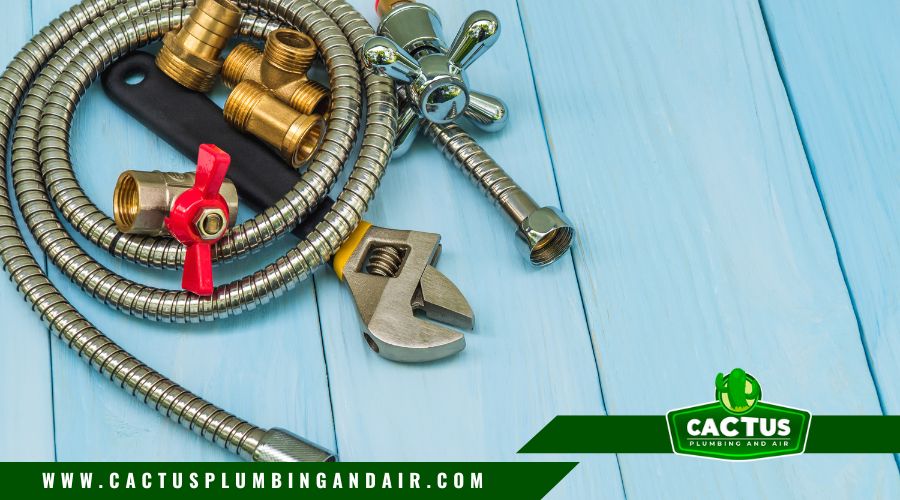
Aside from pipes, the quality of other components like faucets, connectors, and fittings plays a crucial role in preventing future issues. Investing in reliable parts reduces the risk of leaks and ensures the system operates efficiently. Consider the following:
- Stainless Steel Faucets: Resistant to rust and corrosion, they offer durability and a sleek appearance.
- Brass Fittings: Known for their strength, brass fittings are less prone to cracking or leaking compared to plastic alternatives.
- High-Quality P-Traps: A durable P-trap made from ABS plastic or metal is essential for proper drainage and odor prevention.
Avoid using low-cost materials that may wear out quickly. Quality components save money in the long run by minimizing repairs and replacements.
Risks of Ignoring Sink Plumbing Problems
Ignoring kitchen sink plumbing problems can lead to severe consequences that affect your home's structure and increase repair costs. What starts as a small issue, like a minor leak or slow drain, can quickly escalate if left unaddressed. Understanding the risks helps you prioritize timely repairs.
Potential Damage to Cabinets and Flooring
Plumbing problems often lead to hidden water damage that impacts the surrounding areas of your kitchen. Leaks under the sink or around pipes may go unnoticed at first, but over time, they can cause significant harm. Here are the common risks:
- Warped Cabinets: Prolonged exposure to water can cause wooden cabinets to swell, warp, or rot.
- Mold Growth: Excess moisture creates the perfect environment for mold, which not only damages materials but also poses health risks.
- Floor Damage: Leaks can seep into your flooring, causing it to buckle, discolor, or weaken, especially if the floor is made of wood or laminate.
Addressing plumbing problems early prevents these costly repairs and ensures the safety and integrity of your kitchen. Regular inspections can help catch leaks before they cause extensive damage.
How Small Issues Can Escalate into Major Repairs
Small plumbing issues, like a dripping faucet or slow drain, might seem minor, but they can signal larger problems within your plumbing system. Delaying repairs often results in:
- Worsening Leaks: Small leaks can grow over time, leading to burst pipes or significant water waste.
- Complete Clogs: Slow drains can develop into full blockages that disrupt your entire kitchen's functionality.
- Increased Repair Costs: What could have been fixed with a simple adjustment may now require extensive labor and material replacement.
Timely intervention can prevent these issues from spiraling out of control. If you notice recurring problems, consider consulting a professional plumber to assess the underlying causes.

When to Call a Professional
While DIY fixes can resolve many kitchen sink plumbing problems, there are times when professional expertise is necessary. Recognizing when an issue is beyond your skills can save time, prevent further damage, and ensure the problem is fixed correctly.
Recognizing Complex Issues Beyond DIY Fixes
Certain plumbing problems require advanced tools, specialized knowledge, or access to parts that aren't available to the average homeowner. Here are some signs that you should call a professional:
- Persistent Clogs: If your drain remains blocked after using a plunger or snake, the clog might be located deeper in the plumbing system.
- Recurring Leaks: Leaks that keep returning despite temporary fixes may indicate damaged pipes or connections that need replacement.
- Water Backups: If water backs up into multiple fixtures (e.g., your sink and dishwasher), it could signal a larger plumbing system issue, such as a sewer line blockage.
- Low Water Pressure: Consistently low water pressure may indicate pipe corrosion, hidden leaks, or issues with the main water line.
- Unusual Noises or Smells: Gurgling drains or foul odors could point to venting issues or blockages that require professional inspection.
Attempting to handle these problems on your own might worsen the situation. A plumber can accurately diagnose and resolve the root cause.
Benefits of Hiring an Experienced Plumber
Professional plumbers bring expertise, efficiency, and long-term solutions to your kitchen sink plumbing problems. Hiring an experienced plumber offers several advantages:
- Accurate Diagnosis: Professionals use advanced tools, such as camera inspections, to identify hidden issues like cracks, clogs, or corrosion.
- Effective Repairs: Skilled plumbers know to apply permanent fixes rather than temporary solutions.
- Time and Cost Savings: Addressing problems correctly the first time avoids repeated repairs and further damage.
- Expert Recommendations: Plumbers can suggest upgrades or preventive measures to improve the efficiency and durability of your plumbing system.
- Warranty and Insurance: Professional services often come with warranties for parts and labor, giving you peace of mind.
Choosing a licensed, experienced plumber ensures that your kitchen sink plumbing issues are resolved safely and effectively.
Why Timely Plumbing Repairs Matter in Mesa, AZ
Addressing kitchen sink plumbing problems quickly prevents minor issues from escalating into costly repairs. Small leaks or clogs may seem manageable, but over time, they can damage cabinets, flooring, and your plumbing system as a whole. With proactive care and proper materials, you can extend the lifespan of your kitchen plumbing.
For residents in Mesa, AZ, Cactus Plumbing and Air provides expert solutions to all kitchen sink plumbing issues. From clogs to full system replacements, we ensure your sink functions efficiently and reliably. Trust our plumber Mesa team to keep your plumbing in top condition with quality service you can count on.
Frequently Asked Questions
What tools should I keep for sink plumbing emergencies?
Having the right tools on hand can help you address minor sink plumbing issues quickly. Essential items include a plunger, a pipe wrench, a drain snake, plumber's tape, and a bucket to catch water. These tools can help you manage clogs, tighten connections, and stop small leaks before they cause significant damage.
Can hard water damage my kitchen sink plumbing?
Yes, hard water can lead to mineral buildup in pipes and fixtures, reducing water flow and efficiency. Over time, the deposits can cause clogs and damage to seals, resulting in leaks. Installing a water softener or regularly cleaning aerators and faucets can minimize the impact of hard water on your plumbing system.
How often should I check for leaks under my sink?
Inspect your sink plumbing for leaks every few months or whenever you notice signs like water stains, dampness, or mold growth. Regular checks help catch small leaks early, preventing costly repairs to cabinets, flooring, and other surrounding areas.
What should I do if my sink drain smells like sewage?
A sewage smell from your drain often indicates a clog or venting problem. Start by cleaning the drain with baking soda and vinegar, followed by flushing with hot water. If the smell persists, it could be a sign of a deeper issue, such as a damaged P-trap or sewer gas leak, which requires professional inspection.
Are modern plumbing components worth the investment?
Modern plumbing components are designed for durability, efficiency, and ease of maintenance. Materials like PEX and stainless steel resist corrosion and leaks better than older options. Upgrading your plumbing system can save money in the long term by reducing the frequency of repairs and improving overall performance.
Get Expert Plumbing Services in Mesa, AZ
Cactus Plumbing and Air is your trusted partner for all kitchen sink plumbing needs in Mesa, AZ. Call us today at (623) 280-0805 to schedule an inspection or repair. Protect your home and enjoy peace of mind with our professional plumbing services.
Recent Posts
-

How to Unclog a Bathroom Sink
Nov 23, 2025 -
What is a Sewer Cleanout and How to Locate It
Oct 27, 2025