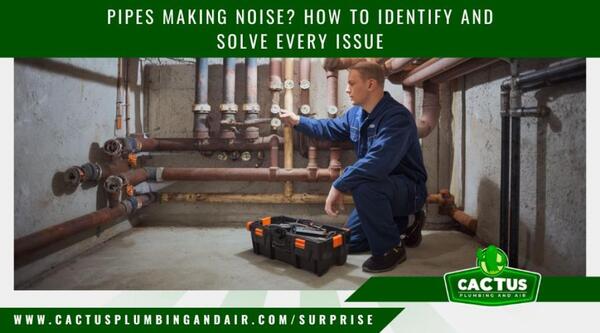
Pipes making noise can be more than a minor annoyance; they often signal serious plumbing issues like high water pressure, trapped air, or loose components. Ignoring these sounds can lead to long-term damage and costly repairs. Whether your pipes are banging, humming, or gurgling, this guide will help you identify the causes, apply fixes, and know when to call a professional. If you're looking for expert assistance, trust a Surprise plumber to diagnose and resolve your plumbing issues quickly and efficiently.
- Common Pipe Noises and What They Mean
- 1. Banging Noises in Pipes
- 2. Humming Sounds
- 3. Gurgling Sounds in Drains
- Causes and Solutions for Banging Noises
- Water Hammer and How to Fix It
- Fixing Trapped Air in Pipes
- Causes and Fixes for Humming Pipes
- High Water Pressure and Its Risks
- What Gurgling Sounds Mean and How to Fix Them
- Clogs in Drains and Pipes
- Rattling Noises Loose Pipes and Fasteners
- Why Pipes Rattle
- Whistling and Squealing Sounds Causes and Solutions
- Worn Washers and Loose Components
- Why Copper Pipes Expand and Create Noise
- Insulating Copper Pipes to Reduce Noise
- Preventative Tips for Quiet Pipes
- Tips for Maintaining Quiet Pipes
- Solving Noisy Pipes with Expert Help
- Frequently Asked Questions
- How do I stop my pipes from making noise?
- Why do my pipes make noise when no water is running?
- Are noisy water pipes dangerous?
- How do I get rid of trapped air in water pipes?
- When should I call a plumber for noisy pipes?
- Restore Peace to Your Home with Our Plumbing Services
Common Pipe Noises and What They Mean
Pipes can make various noises, each pointing to a specific issue. Understanding what these sounds mean can help you find the right solution.
1. Banging Noises in Pipes
Banging noises are often caused by water hammers or trapped air in the pipes. A water hammer occurs when fast-moving water suddenly stops due to a closed valve, creating a pressure wave that makes your pipes bang.
2. Humming Sounds
Humming noises often mean that your water pressure is too high. Pipes vibrate when water flows through them at excessive pressure, especially if not adequately secured. This issue is common in homes with water pressure above 60 PSI or areas with well water systems.
3. Gurgling Sounds in Drains
Gurgling sounds occur when water tries to pass through a blocked drain or pipe. Trapped air or obstructions like grease, food debris, or hair cause the noise. Gurgling often happens when draining sinks, showers, or bathtubs, which may indicate a developing clog.
Causes and Solutions for Banging Noises
Banging noises are among the most common sounds homeowners hear from their pipes. These noises often signal issues like water hammer or trapped air in the plumbing system. Both problems can strain your pipes and lead to further damage if left unresolved. Here's how to address these causes effectively.
Water Hammer and How to Fix It
Water hammer is a common cause of banging pipes. This happens when water flow is abruptly stopped, creating a shock wave. To fix it:
- Install a water hammer arrestor to absorb the pressure.
- Reduce high water pressure by adjusting the pressure regulator.
- Turn off your main water supply and drain all faucets to reset air chambers.
Fixing Trapped Air in Pipes
Trapped air can also cause banging noises. Here's how to remove air from your water pipes:
- Shut off the main water supply.
- Open all faucets, starting from the highest point in your home.
- Allow all water to drain completely.
- Turn the water supply back on and close the faucets individually, starting with the lowest point.
Causes and Fixes for Humming Pipes
Humming pipes can indicate that the water pressure in your home is too high. When water flows through pipes at an excessive pressure, it creates vibrations that lead to a humming sound. This issue is prevalent in homes with healthy water systems or areas with fluctuating municipal water pressure. High water pressure causes noise and can strain your plumbing system, increasing the risk of leaks or damage.
High Water Pressure and Its Risks
High water pressure is a common cause of humming pipes. When water flows through pipes at a pressure above 60 PSI, it can create vibrations that produce a humming sound. This problem is more common in homes using well water systems or in areas with inconsistent municipal water pressure. How to Fix High Water Pressure:
- Check your water pressure using a pressure gauge.
- If it exceeds 60 PSI, locate the pressure regulator near your main water line.
- Adjust the regulator to bring the pressure down to a safe range (40–60 PSI).
- If your system doesn't have a pressure regulator, consider installing one to maintain consistent pressure.
What Gurgling Sounds Mean and How to Fix Them
Clogs or blockages in drains and pipes often cause gurgling sounds in your plumbing. These noises occur when water struggles to pass through an obstruction, creating air pockets that produce a distinctive gurgling sound. This is a common problem in kitchen and bathroom drains, where grease, food debris, or hair can accumulate over time.

Clogs in Drains and Pipes
Gurgling noises often point to clogs in your plumbing system. These sounds occur when water struggles to flow past obstructions like grease, food debris, or hair, creating air pockets that cause gurgling. Steps to Clear a Clogged Drain:
- Use a plunger to dislodge minor blockages.
- Pour a natural enzymatic cleaner into the drain to break down the buildup safely.
- Avoid chemical drain cleaners, as they can damage pipes over time.
- If the clog persists, use a plumber's snake to remove deeper obstructions.
Rattling Noises Loose Pipes and Fasteners
Rattling noises occur when pipes are not adequately secured. As water flows through these loose pipes, they vibrate and knock against walls, floors, or other materials, producing a rattling sound. Over time, the movement can lead to further loosening of fasteners, worsening the problem if not addressed promptly.
Why Pipes Rattle
Rattling noises usually occur when pipes are not securely fastened. As water flows through the pipes, they vibrate and knock against walls, floors, or other materials, creating a rattling sound. Over time, fasteners can loosen due to regular wear and tear or high water pressure. How to Secure Rattling Pipes:
- Inspect exposed pipes under sinks or in basements for movement.
- Use pipe clamps or brackets to secure loose pipes to walls or other stable structures.
- Apply foam insulation around pipes to reduce noise caused by vibration.

Whistling and Squealing Sounds Causes and Solutions
Whistling or squealing sounds from your pipes often point to worn or damaged components in your plumbing system. Small parts like washers, bolts, or valves can degrade over time, especially near appliances like dishwashers or washing machines. These high-pitched noises disrupt your home's peace and may signal potential plumbing failures that need attention.
Worn Washers and Loose Components
Worn washers are one of the most common causes of whistling or squealing. These small parts in faucets and appliances wear down with constant use, especially in high-pressure areas. Loose components can vibrate as water flows through, creating a high-pitched noise. The Following Solutions:
- Inspect areas near noisy appliances, such as dishwashers or washing machines.
- Replace worn washers or loose bolts to secure the system.
- Call a professional plumber to inspect and replace aging valves or fixtures if the noise persists.
Why Copper Pipes Expand and Create Noise
Copper pipes are a common source of noise due to their natural properties. When hot water flows through these pipes, the metal expands and contracts, creating rubbing or creaking sounds as they move against structural elements like wood or drywall. This issue can worsen if pipes are not adequately insulated, increasing friction and noise over time.
Insulating Copper Pipes to Reduce Noise
Proper insulation can prevent copper pipes from making noise as they expand. Insulating materials act as a buffer, reducing contact with surrounding structures and minimizing friction. Steps to Insulate Copper Pipes:
- Locate the noisy copper pipes, often near water heaters or under sinks.
- Wrap the pipes with foam pipe insulation or fiberglass sleeves.
- Secure the insulation with adhesive or ties to prevent movement.
Preventative Tips for Quiet Pipes
Regular maintenance can keep your plumbing system running quietly and efficiently. By addressing potential issues before they arise, you can prevent noisy pipes and avoid costly repairs in the future. Many preventative steps are simple and can be done without professional help.
Tips for Maintaining Quiet Pipes
Taking proactive steps can significantly reduce the likelihood of noisy pipes. Regularly checking water pressure, cleaning drains, and securing loose pipes are essential for a quiet plumbing system. Insulating pipes helps minimize friction, especially in copper lines, while flushing pipes periodically removes trapped air and sediment that can contribute to noise. By implementing these practices, you can maintain a well-functioning plumbing system and avoid unnecessary disruptions.
- Check Water Pressure Regularly: A gauge ensures water pressure stays between 40–60 PSI.
- Clean Drains Frequently: Prevent clogs by using drain covers and avoiding substances like grease or hair in drains.
- Secure Loose Pipes: Inspect exposed pipes and use brackets or clamps to prevent movement.
- Insulate Pipes: Reduce friction noise by wrapping pipes in foam or fiberglass insulation.
- Flush Pipes Periodically: Run all faucets simultaneously to clear air and sediment from your water lines.
Solving Noisy Pipes with Expert Help
Noisy pipes making noise can disrupt your home and indicate potential plumbing problems that should not be ignored. From high water pressure to trapped air or loose components, understanding the causes and applying the right solutions can save you from costly repairs. If you're experiencing persistent issues, trust Cactus Plumbing & Air to provide expert diagnosis and effective repairs. Our team ensures your pipes work quietly and efficiently, giving you peace of mind.
Frequently Asked Questions
How do I stop my pipes from making noise?
To stop noisy pipes, identify the type of noise and its cause. Common fixes include installing a water hammer arrestor, purging trapped air, insulating pipes, or adjusting water pressure. If these steps don't help, consult a plumber for professional assistance.
Why do my pipes make noise when no water is running?
Pipes can make noise due to high water pressure, temperature changes, or air bubbles in the system. These issues might persist even when faucets are off and should be checked to prevent further problems.
Are noisy water pipes dangerous?
Noisy pipes can warn of serious plumbing issues like high pressure, loose fittings, or potential leaks. Addressing the problem early can prevent damage to your plumbing system and avoid costly repairs.
How do I get rid of trapped air in water pipes?
To remove trapped air, shut off the main water supply and open all faucets to let the water drain completely. Afterward, turn the water back on, starting with the lowest faucet, and close each tap individually.
When should I call a plumber for noisy pipes?
Call a plumber if noises persist after trying DIY solutions or if you suspect structural issues like hidden leaks, pipe damage, or significant clogs. Cactus Plumbing & Air can diagnose and resolve your plumbing concerns quickly.
Restore Peace to Your Home with Our Plumbing Services

Don't let noisy pipes disrupt your daily life. At Cactus Plumbing & Air, we specialize in diagnosing and fixing plumbing issues, ensuring your system operates smoothly and quietly. Call us today at (623) 294-2452 to schedule an inspection or repair. Let our experts bring comfort back to your home.
Recent Posts
-

How to Unclog a Bathroom Sink
Nov 23, 2025 -
What is a Sewer Cleanout and How to Locate It
Oct 27, 2025