Plumbing jobs require reliable tools to handle a range of tasks, from fixing leaks to installing new pipes. For both beginners and seasoned professionals, choosing the right tools is essential to complete each job effectively. This guide highlights the best plumbing tools for every plumber's toolbox, covering essential tools, selection tips, and more. Whether you're just starting or looking to expand your kit, this list includes top-rated tools and practical advice to ensure you're prepared for any plumbing challenge.
- Essential Plumbing Tools for Every Job
- Must-Have Tools for Common Plumbing Repairs
- Specialized Tools for Advanced Plumbing Needs
- Selecting the Best Plumbing Tools
- Key Factors to Look for in Quality Plumbing Tools
- Recommended Brands for Professional-Grade Tools
- Top Plumbing Tools for Pipework and Fittings
- Essential Tools for Pipe Cutting and Shaping
- Tools for Tightening and Securing Fittings
- Hand Tools vs. Power Tools for Plumbing
- Pros and Cons of Hand Tools in Plumbing
- When to Use Power Tools for Efficiency
- Safety and Maintenance Tips for Plumbing Tools
- Proper Storage and Maintenance Practices
- Wrap-Up on Essential Plumbing Tools for Chandler Plumbers
- Frequently Asked Questions
- What tools are best for unclogging drains?
- How often should plumbing tools be replaced?
- What are the benefits of using specialized plumbing tools?
- Can basic plumbing tools be used for all types of repairs?
- Where can I find reliable plumbing tool kits?
- Contact Cactus Plumbing and Air for Expert Plumbing Services
Essential Plumbing Tools for Every Job
Every plumbing task needs the right tools. From basic pipe repairs to larger installations, having essential plumbing tools on hand ensures you can tackle each job efficiently. Here, we break down must-have tools for common repairs and more complex plumbing needs.
Must-Have Tools for Common Plumbing Repairs
To handle basic plumbing issues like small leaks or clogged drains, every plumber should have a few key tools in their kit, including:
- Pipe Wrench: This adjustable wrench is ideal for gripping pipes and fittings. Most plumbers carry large and small pipe wrenches to manage different pipe sizes.
- Adjustable Wrench: Useful for tightening and loosening nuts and bolts, especially for smaller fixtures like faucets.
- Plungers: A plunger is essential for unclogging sinks and toilets. Professional-grade plungers come with added suction power.
- Plumber's Tape (Thread-Sealing Tape): Used to seal threaded joints and prevent leaks.
- Hand Auger: This tool, also known as a plumbing snake, can clear moderate drain clogs in sinks or showers.
These tools cover most basic plumbing repairs, making them a foundation for any toolkit.

Specialized Tools for Advanced Plumbing Needs
For advanced plumbing tasks, which often involve larger repairs, installations, or more challenging jobs, specialized tools are essential. These tools make the process easier and ensure quality results:
- Drain Snake Machine: When a hand auger isn't enough, a motorized drain snake can clear tougher blockages.
- Pipe Cutter: Ideal for cutting pipes cleanly and accurately, these come in various models for materials like copper or PVC.
- Basin Wrench: This tool's T-shaped design helps reach and adjust nuts in tight areas, like under sinks.
- Plumber's Torch: Necessary for soldering copper pipes, a torch allows plumbers to make watertight seals.
- Inspection Camera: A camera on a flexible tube allows you to inspect pipes for blockages or damage in hard-to-reach places.
These specialized tools are essential for professionals handling a wide variety of plumbing tasks, as they ensure precision and reduce job time.
Selecting the Best Plumbing Tools
Choosing quality plumbing tools impacts not only the efficiency of each job but also the lifespan of the tools themselves. Selecting tools with durability and performance in mind saves time and effort in the long run.
Key Factors to Look for in Quality Plumbing Tools
When choosing plumbing tools, consider factors that influence both quality and ease of use. Reliable tools should be durable, comfortable, and compatible with various plumbing materials, including:
- Durability: Tools made from high-quality materials, like stainless steel or durable plastic, tend to last longer and withstand heavy use.
- Ergonomic Design: Look for tools that are comfortable to hold and easy to maneuver. Ergonomic designs reduce hand strain, which is helpful on longer jobs.
- Brand Reputation: Certain brands are known for their quality and reliability. Investing in trusted brands can mean fewer tool replacements over time.
- Compatibility: Make sure the tools are compatible with common plumbing materials like PVC, copper, and steel, especially if you work on various types of systems.
These considerations can help plumbers invest in tools that perform reliably over time, ensuring they're ready for any task.

Recommended Brands for Professional-Grade Tools
When it comes to selecting professional-grade plumbing tools, choosing from trusted brands can make a difference in both performance and durability. These brands are known for producing high-quality tools that withstand heavy use and provide reliability on the job:
- Ridgid: Known for its robust pipe wrenches and drain cleaning equipment, Ridgid tools are highly durable and widely used by professional plumbers.
- Milwaukee: Milwaukee produces a range of power tools and hand tools designed for plumbing professionals, including reliable cordless drills and specialized drain augers.
- DeWalt: This brand offers a variety of high-performance tools, including adjustable wrenches and pipe cutters, well-suited for heavy-duty plumbing work.
- Klein Tools: Klein is renowned for its ergonomic design and quality, especially for tools like pliers and cutters, which are essential for precision tasks in tight spaces.
- Cobra: Cobra specializes in drain-cleaning tools and accessories, including drain snakes and hand augers, designed to clear even the toughest clogs.
These brands provide tools that meet the demands of both everyday repairs and more complex plumbing tasks, making them ideal choices for any professional plumber's toolkit.
Top Plumbing Tools for Pipework and Fittings
Pipework and fittings form the core of most plumbing projects, from installations to repairs. Specialized tools for cutting, shaping, and securing pipes are essential to handle these tasks with precision and efficiency. Below are essential tools for managing pipework and fittings, focusing on tools specific to cutting, shaping, tightening, and securing.
Essential Tools for Pipe Cutting and Shaping
For precise cuts and adjustments, plumbers use a range of tools that make pipe shaping more accurate and efficient:
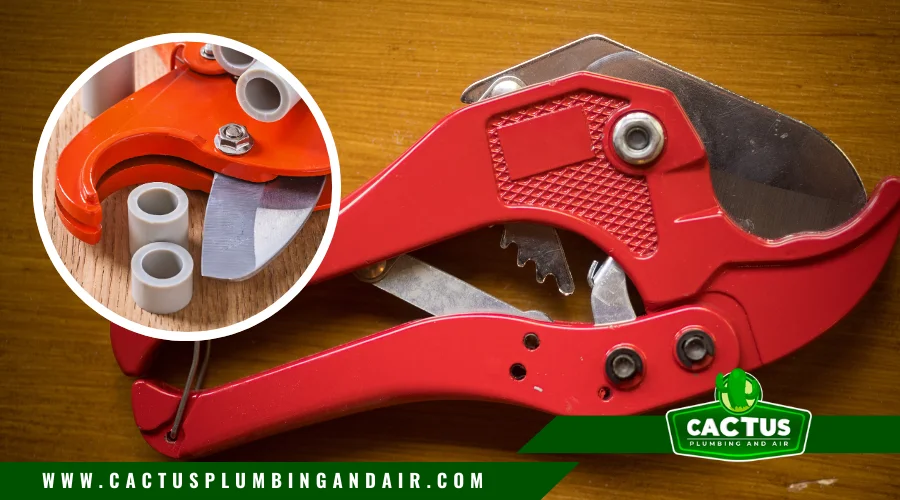
- Tubing Cutter: Specifically designed for clean cuts on copper and plastic pipes, tubing cutters offer a smooth finish and reduce the risk of damaging pipes during installation.
- Ratcheting Pipe Cutter: This tool is ideal for cutting PVC, PEX, and other plastic pipes. Its ratcheting mechanism allows for controlled, gradual cuts, reducing strain and making it easy to handle thicker pipes.
- Internal Pipe Cutter: For situations where external cuts are challenging, an internal pipe cutter can reach inside PVC or plastic pipes to create an internal cut. This is particularly useful for pipes embedded within walls or floors.
- Pipe and Tube Bender: These benders help shape pipes without kinks or cracks, often used with copper or steel pipes. Proper shaping ensures a secure fit and prevents leaks.
Each of these tools provides plumbers with flexibility in managing pipe length, angles, and installation spaces, ensuring the accuracy and fit needed for effective plumbing work.
Tools for Tightening and Securing Fittings
Securing pipes and fittings tightly is essential to prevent leaks and maintain stability. Here are a few key tools designed to tighten and secure various plumbing components:
- Torque Wrench: This wrench allows plumbers to apply precise force when tightening nuts and bolts, ensuring fittings are neither too loose nor overtightened, which is critical for creating leak-proof seals.
- Crimping Tool: Essential for working with PEX piping, a crimping tool secures metal rings around PEX fittings, forming a watertight connection.
- Strap Wrench: This tool is ideal for tightening smooth, finished surfaces without damaging them, often used for larger pipes and fixtures where traditional wrenches might scratch or slip.
- Push-Fit Fitting Tool: For push-to-connect fittings, this tool helps plumbers secure fittings tightly, making quick, secure connections without the need for soldering or gluing.
These tools support reliable and secure connections in pipework, ensuring the plumbing system's long-term stability and leak resistance.
Hand Tools vs. Power Tools for Plumbing
Choosing between hand tools and power tools often depends on the specific plumbing task, job duration, and desired precision. While hand tools offer control and simplicity, power tools provide speed and power, making them ideal for larger or more complex jobs. Understanding the pros and cons of each can help plumbers decide which tools suit their needs best.

Pros and Cons of Hand Tools in Plumbing
Hand tools are essential for many plumbing jobs due to their simplicity, ease of control, and versatility. However, they have certain limitations when compared to power tools:
| Pros of Hand Tools | Cons of Hand Tools |
|---|---|
| Greater precision and control, ideal for tight spaces | Limited power for heavy-duty jobs, requires more physical effort |
| Lower cost and less maintenance required, making them affordable for small jobs or beginners | None |
| Compact, easy to transport, and doesn't rely on batteries or electricity | None |
| None | Slower task completion, takes longer to complete tasks compared to power tools |
| None | Not ideal for repetitive or high-effort tasks; exhausting for larger, tougher materials |
For tasks that need precision and control, hand tools remain a staple in any plumber's kit. However, for larger or more repetitive jobs, power tools can provide a significant advantage in efficiency.
When to Use Power Tools for Efficiency
Power tools bring speed and ease to plumbing jobs, particularly those that require cutting, drilling, or fastening materials quickly. Here's when power tools can offer the most benefit:
- Cutting and Shaping Pipes: Power pipe cutters, reciprocating saws, and other powered cutting tools make quick, clean cuts through PVC, copper, and even steel pipes. This saves time and reduces strain on the user.
- Drilling Holes for Fixtures and Fittings: Cordless drills allow plumbers to make precise holes in walls, floors, or ceilings to fit pipes or mount plumbing fixtures without excessive physical effort.
- Clearing Tough Clogs: Power augers or snake machines can efficiently clear stubborn clogs in drains, where a manual tool might take significantly longer or be less effective.
- Securing Large or Heavy Fittings: Impact drivers and power wrenches can tighten large bolts and fittings securely in a fraction of the time, ensuring a tight seal that minimizes leak risks.
While power tools offer efficiency, they require more maintenance and initial investment. For high-volume jobs or demanding materials, though, they provide a time-saving solution that hand tools cannot match.
Safety and Maintenance Tips for Plumbing Tools
Proper care and safe usage of plumbing tools are essential for both tool longevity and user safety. Regular maintenance keeps tools in good working condition, while safe storage practices help prevent damage or accidents. Following these tips will ensure tools remain reliable over time and reduce the risk of workplace injuries.
Proper Storage and Maintenance Practices
Storing and maintaining plumbing tools correctly can extend their lifespan and ensure they're ready for use whenever needed. Here are some key practices to keep tools in top condition:
- Clean Tools After Each Use: Dirt, grime, and residues from jobs can accumulate on tools and lead to rust or other damage. Wipe down metal parts with a cloth and, when necessary, apply a small amount of oil to protect against corrosion.
- Store Tools in a Dry Environment: Moisture can cause rust on metal tools, reducing their effectiveness and lifespan. Use toolboxes or dedicated storage spaces with moisture control to prevent rust and keep tools dry.
- Organize Tools for Easy Access: Organizing tools by type or size in designated compartments or hanging systems makes it easier to locate items quickly. It also prevents tools from being damaged by unnecessary shifting or stacking.
- Inspect Tools Regularly for Wear and Damage: Check handles, blades, and moving parts for signs of wear, cracks, or loosening. Damaged tools can compromise safety and effectiveness, so repair or replace them as needed.
- Sharpen and Adjust Tools When Needed: Tools like pipe cutters or augers may need periodic sharpening to maintain their efficiency. Tighten any adjustable parts and ensure cutting edges are sharp to keep the tools performing effectively.
Following these maintenance and storage practices not only protects the investment in tools but also ensures they're safe and effective for future plumbing jobs.

Wrap-Up on Essential Plumbing Tools for Chandler Plumbers
Equipping yourself with the best plumbing tools can make every job smoother, safer, and more efficient. Whether handling basic repairs or tackling complex projects, having the right tools on hand ensures you're prepared for any task. High-quality tools not only improve the effectiveness of your work but also last longer, providing better value over time.
At Cactus Plumbing and Air, we're committed to helping homeowners and businesses with top-notch plumbing services and expert advice. By using reliable, professional-grade tools, our plumber Chandler team ensures every project is completed with precision and care.
Frequently Asked Questions
What tools are best for unclogging drains?
The most effective tools for unclogging drains are drain augers, also known as plumbing snakes and plungers. Hand augers can tackle mild to moderate blockages in sinks and bathtubs, while motorized snake machines are ideal for more stubborn clogs. Some plumbers also use hydro jetting equipment for tougher drain issues, as it uses high-pressure water to clear debris from pipes effectively.
How often should plumbing tools be replaced?
The frequency of replacing plumbing tools depends on usage and tool quality. High-quality tools can last several years with regular maintenance, while heavily used or lower-quality tools may need replacement sooner. Inspect tools regularly for signs of wear or damage, and replace any that are rusted, cracked, or no longer function properly to ensure safety and efficiency on the job.
What are the benefits of using specialized plumbing tools?
Specialized plumbing tools are designed for specific tasks, making them more efficient and safer than general-purpose tools. For example, basin wrenches allow plumbers to work in tight spaces, and pipe cutters provide clean cuts on pipes. Using the right specialized tool can reduce the time and effort required, improve precision, and minimize potential damage to materials.
Can basic plumbing tools be used for all types of repairs?
Basic plumbing tools cover most minor repairs, such as tightening fittings or unclogging drains. However, more complex repairs, like pipe replacements or deep drain clogs, often require specialized tools. While a basic tool kit is essential, having access to advanced tools can help manage a broader range of plumbing issues more effectively.
Where can I find reliable plumbing tool kits?
Reliable plumbing tool kits are available at home improvement stores like Home Depot and Lowe's, as well as online retailers such as Amazon. For professional-grade options, specialty suppliers like Ridgid or Milwaukee offer high-quality kits designed specifically for plumbing. Local suppliers in Chandler, AZ, may also carry a range of kits suitable for both DIYers and professionals.
Contact Cactus Plumbing and Air for Expert Plumbing Services
If you're ready to work with experienced plumbing professionals in Chandler, AZ, reach out to Cactus Plumbing and Air. Our team uses high-quality plumbing tools to deliver efficient, reliable service. Call us today at (623) 323-7599 for assistance with your plumbing needs.
Recent Posts
-

How to Unclog a Bathroom Sink
Nov 23, 2025 -
What is a Sewer Cleanout and How to Locate It
Oct 27, 2025