Hot weather increases water usage and puts extra stress on plumbing systems. Without regular maintenance, small issues like a water heater leaking or clogged drains can turn into expensive repairs. These summer plumbing tips will help homeowners avoid costly damage, reduce water waste, and keep their plumbing in top condition. Whether it's checking for hidden leaks, maintaining outdoor spigots, or adjusting water pressure, these plumber tips will ensure your home's plumbing runs efficiently all summer.
- Summer Plumbing Tips to Avoid Costly Repairs
- How Hot Weather Affects Your Plumbing
- Inspect For Leaks Before They Get Worse
- Outdoor Plumbing Tips for Summer Maintenance
- Keep Sprinklers And Outdoor Faucets In Check
- Avoid Sewer Backups And Drain Clogs
- Simple Ways to Reduce Water Bills in Hot Weather
- Fix Common Water Waste Problems
- Upgrade To Water-Saving Fixtures
- Protect Your Plumbing Before Leaving for Vacation
- Turn Off the Water and Adjust Your Water Heater
- Prevent Plumbing Disasters While Away
- Prevent Plumbing Problems With the Right Summer Maintenance
- Frequently Asked Questions
- How do I prevent my pipes from expanding in extreme heat?
- What should I do if my water pressure drops suddenly in summer?
- Why does my toilet keep running even after adjusting the flapper?
- How can I tell if my underground plumbing is leaking?
- What are the best ways to keep outdoor drains from clogging?
- Get Expert Plumbing Services in Glendale, AZ
Summer Plumbing Tips to Avoid Costly Repairs
Summer heat can cause pipes to expand, weaken seals, and increase the risk of leaks. Higher household water use, from showers, irrigation systems, and dishwashing—puts extra strain on your plumbing. If small problems aren't addressed early, they can lead to low water pressure, clogs, or a leaking water heater. Use these plumber tips to keep your system in good shape and avoid unnecessary repairs.
How Hot Weather Affects Your Plumbing
Extreme heat impacts plumbing in multiple ways. It can weaken pipes, lower water pressure, and put extra strain on fixtures. If your plumbing isn't prepared, these problems can lead to costly repairs. Watch out for these common issues caused by high temperatures:
- Pipe Expansion And Contraction: Heat causes pipes to expand and contract, which can weaken joints and lead to leaks.
- Increased Water Demand: More showers, lawn watering, and dishwashing can strain water lines and lower pressure.
- Water Heater Stress: High outdoor temperatures make your water heater work harder, increasing the risk of a water heater leaking.
- Sewer Line Issues: Heat causes tree roots to grow aggressively, increasing the risk of sewer line blockages and backups.
To prevent these problems, inspect your plumbing system at the start of summer. Check for leaks, monitor water pressure, and flush your water heater to remove sediment buildup. These summer plumbing tips will help extend the life of your pipes and fixtures.
Inspect For Leaks Before They Get Worse
A small leak can waste thousands of gallons of water over the summer. Leaks not only increase water bills but also weaken pipes and lead to mold growth and structural damage. According to the U.S. Environmental Protection Agency (EPA), household leaks can waste nearly 1 trillion gallons of water each year—enough to supply more than 11 million homes.
Early detection and quick fixes can prevent major plumbing failures. Check these areas to catch leaks before they get worse:
- Water Heater: If you see a water heater leaking, check the pressure relief valve and the base for signs of moisture.
- Toilets: Add food coloring to the tank, if the color appears in the bowl without flushing, there's a silent leak.
- Sinks And Faucets: Look under sinks for moisture, rust, or dripping pipes that indicate a slow leak.
- Outdoor Spigots: Check where hoses connect for drips and inspect sprinkler systems for hidden leaks underground.
To check for hidden leaks, turn off all water sources and monitor your water meter. If the reading changes after 30 minutes, there is a leak. Addressing leaks early can help prevent costly water damage and high utility bills.
Outdoor Plumbing Tips for Summer Maintenance
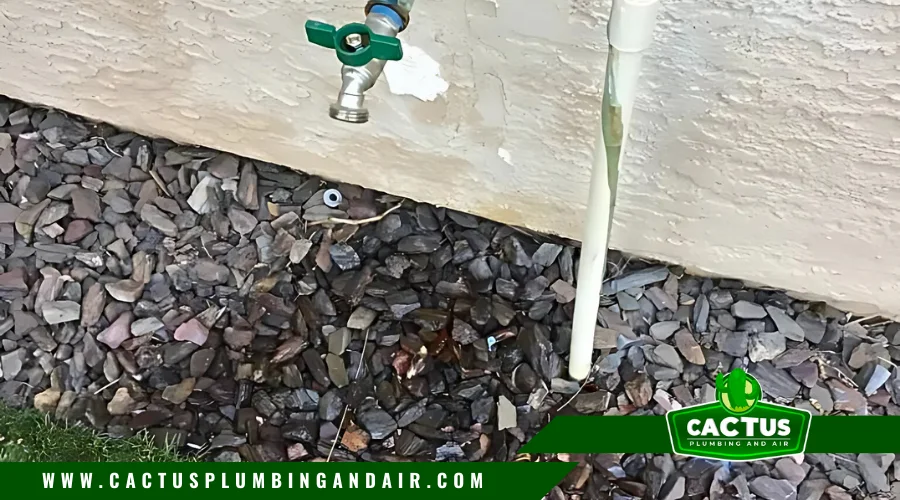
Outdoor plumbing plays a major role in summer, with sprinklers, hoses, and outdoor spigots seeing heavy use. Without proper maintenance, small issues like a water heater leaking or a cracked hose bib can lead to wasted water and unexpected repairs. These summer plumbing tips will help homeowners prevent leaks, avoid unnecessary water waste, and keep their outdoor plumbing systems in top shape.
Keep Sprinklers And Outdoor Faucets In Check
Outdoor faucets and sprinkler systems are often overlooked, but they can develop leaks that go unnoticed. A damaged sprinkler or a leaking spigot can waste hundreds of gallons of water each day. Follow these plumber tips to keep your outdoor plumbing in good working order:
- Inspect Sprinkler Heads: Look for cracks, blockages, or broken heads that prevent even water distribution.
- Check Hose Bibs: Turn on outdoor faucets and check for leaks at the connection points. If water drips when the hose is off, the washer inside may need replacing.
- Test The Sprinkler System: Run each zone and watch for leaks or pooling water. Underground leaks can lead to foundation issues or higher water bills.
- Adjust Watering Schedules: Overwatering can weaken your home’s foundation. Set timers for early morning or late evening to avoid evaporation loss.
Maintaining outdoor plumbing prevents wasted water, protects your home’s foundation, and ensures efficient irrigation throughout the summer.
Avoid Sewer Backups And Drain Clogs
Hot weather increases the risk of sewer line clogs and slow drains. More frequent showers, dishwashing, and laundry can put extra strain on your plumbing system. Tree roots also grow aggressively in warm temperatures, searching for moisture in underground pipes. Use these summer plumbing tips to prevent sewer backups and clogged drains:
- Be Careful With What Goes Down The Drain: Avoid flushing wipes, paper towels, and grease down toilets or sinks. These materials can harden and cause stubborn blockages.
- Inspect Sewer Lines For Root Intrusion: Tree roots can grow into underground pipes, leading to slow drainage or complete blockages. A professional inspection can detect early warning signs.
- Use Drain Screens: Install mesh strainers in sinks and tubs to catch hair, food debris, and soap scum before they reach your pipes.
- Schedule A Preventive Drain Cleaning: If your drains frequently clog or smell bad, a professional cleaning can remove buildup before it leads to major issues.
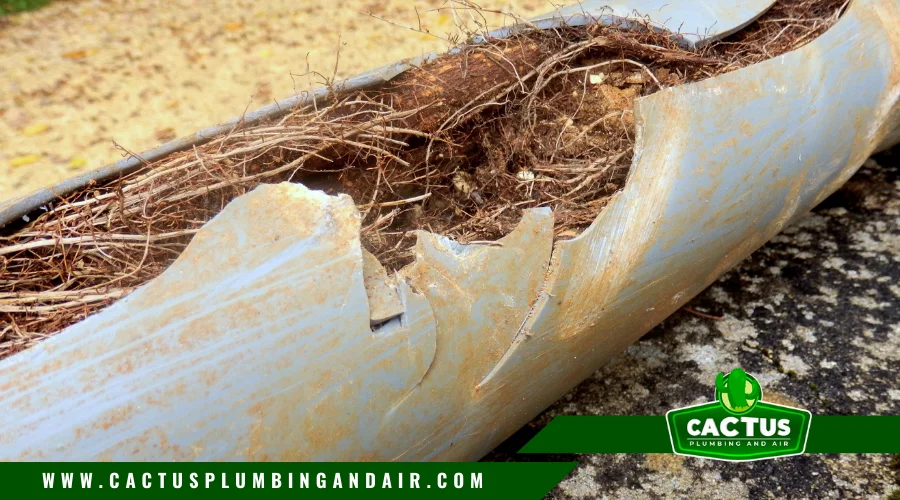
Keeping sewer lines clear reduces the risk of backups, foul odors, and expensive repairs. Taking preventive measures ensures your home’s plumbing remains problem-free all summer.
Simple Ways to Reduce Water Bills in Hot Weather
Summer brings higher water consumption, with frequent showers, increased laundry, and outdoor watering adding to household expenses. Without proper precautions, leaks and inefficient fixtures can drive up costs. By making a few adjustments, homeowners can conserve water while keeping utility bills under control.
Fix Common Water Waste Problems
Small plumbing issues often go unnoticed but can waste hundreds of gallons of water each day. Identifying and fixing leaks early can prevent high utility bills and unnecessary water loss. Here are the most common sources of water waste and how to address them:
- Leaky Toilets: A toilet that runs constantly or refills without flushing can waste thousands of gallons per year. Adding food coloring to the tank can help detect silent leaks, if the color appears in the bowl without flushing, the flapper needs replacement.
- Dripping Faucets: A slow-dripping faucet may not seem like a big problem, but it can add up over time. Replacing worn-out washers or tightening connections can stop the drip and prevent water loss.
- Outdoor Spigot Leaks: A leaking hose bib wastes water even when the faucet is off. Replacing the rubber washer inside the spigot can create a tighter seal and prevent leaks.
- Overwatering The Lawn: Many homeowners unknowingly use more water than needed. Adjusting sprinkler timers and watering in the early morning or late evening can reduce evaporation and lower water usage.
Fixing these issues can prevent water waste, lower utility bills, and extend the lifespan of plumbing fixtures.
Upgrade To Water-Saving Fixtures
Outdated plumbing fixtures can contribute to excessive water use. Upgrading to efficient water-saving fixtures helps reduce consumption without sacrificing performance. Consider making these improvements:
- Low-Flow Showerheads: Modern showerheads use significantly less water than older models while maintaining strong water pressure.
- High-Efficiency Toilets: Newer toilets use as little as 1.28 gallons per flush, compared to older models that can use over 3 gallons.
- Faucet Aerators: Installing aerators on bathroom and kitchen faucets can reduce water flow while maintaining water pressure.
- Smart Irrigation Systems: Timed sprinklers with moisture sensors can adjust watering schedules based on the weather, preventing overuse.
Upgrading to water-efficient fixtures is a simple way to conserve water and reduce monthly expenses without affecting daily routines.
Protect Your Plumbing Before Leaving for Vacation
Leaving home for an extended period without preparing the plumbing system can lead to unexpected issues. A small leak or malfunctioning appliance can cause significant damage if left unchecked. Taking the right precautions before heading out can prevent costly repairs and ensure peace of mind while away.
Turn Off the Water and Adjust Your Water Heater
Turning off the water supply reduces the risk of leaks and flooding while the house is empty. If a pipe bursts or a fixture fails, water will continue to flow and cause damage unless the main valve is shut off. Follow these steps to safely prepare the plumbing system before leaving:
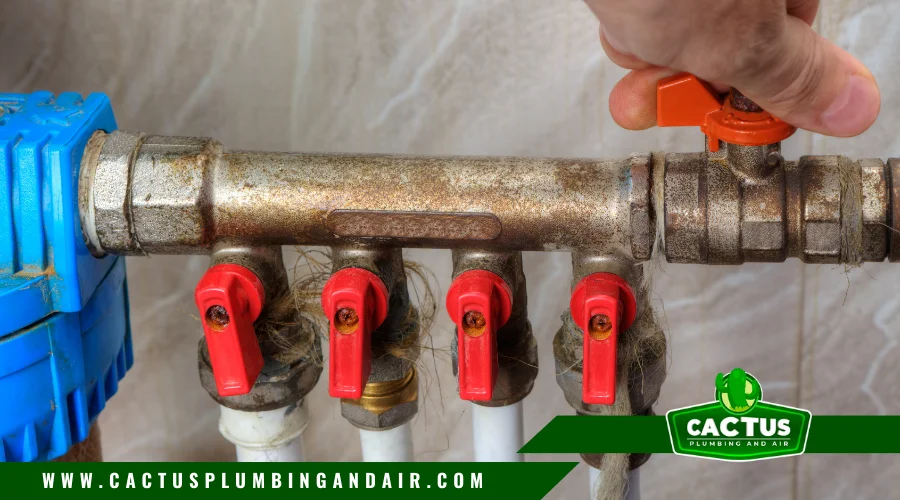
- Locate and Shut Off the Main Water Valve: The valve is typically near the water meter or where the main line enters the house. Turning it off prevents unexpected leaks or pipe bursts while no one is home.
- Check for Any Active Leaks: Before leaving, inspect faucets, toilets, and appliances for signs of dripping or moisture. Fixing leaks beforehand helps avoid damage and wasted water.
- Adjust the Water Heater: Most water heaters have a "vacation" or "low" setting that reduces energy use while maintaining the system. If leaving for an extended period, turning off the water heater entirely can prevent unnecessary heating and lower utility costs.
These steps help prevent wasted water, reduce energy bills, and protect the home from plumbing emergencies while away.
Prevent Plumbing Disasters While Away
Even with the water turned off, plumbing issues can still arise. A dry drain, faulty sump pump, or sewer backups can cause unpleasant surprises upon returning. Taking extra precautions ensures a problem-free return home. Here’s what you should do:
- Drain and Empty Unused Appliances: Running water through rarely used drains before leaving prevents sewer gas from entering the home. Pouring a small amount of cooking oil or vinegar down drains helps maintain moisture and prevents foul odors.
- Test the Sump Pump: If the home has a basement, checking the sump pump ensures it will activate in case of heavy rain. Pouring water into the pump pit should trigger the system to start.
- Ask a Neighbor to Check-In: Having someone visit occasionally can help catch any unexpected plumbing issues before they escalate. If no one is available, installing a water leak detector can send alerts if problems arise.
Taking these steps can prevent costly repairs and ensure the plumbing system remains intact while away.
Prevent Plumbing Problems With the Right Summer Maintenance
Taking care of your plumbing system during summer prevents expensive repairs and keeps water usage under control. Simple steps like checking for leaks, adjusting your water pressure, and maintaining outdoor fixtures can make a significant difference. Ignoring small issues can lead to serious damage, such as burst pipes or sewer backups, which can be costly to fix.
Cactus Plumbing And Air provides expert plumbing solutions for homeowners in Glendale, AZ. Whether it’s fixing a leaking water heater, clearing stubborn clogs, or preparing your plumbing for extreme heat, our plumber Glendale team ensures your system stays in top shape. Staying proactive with maintenance will keep your home’s plumbing running smoothly all summer long.
Frequently Asked Questions
How do I prevent my pipes from expanding in extreme heat?
Pipes expand when exposed to high temperatures, which can lead to leaks or bursts. To prevent this, insulate exposed pipes, especially those outside or in uncooled areas like garages. Running cold water through pipes periodically can help regulate temperature. If you notice signs of stress, such as bulging or cracking, have a professional inspect your system before serious damage occurs.
What should I do if my water pressure drops suddenly in summer?
A sudden drop in water pressure can be caused by increased demand, a partially closed valve, or a hidden leak. First, check if nearby neighbors are experiencing the same issue, as municipal supply may be affected. Inspect faucets, showerheads, and pipes for leaks or blockages. If the problem persists, the pressure regulator may need adjustment, or a professional inspection may be required.
Why does my toilet keep running even after adjusting the flapper?
A worn-out flapper, a faulty fill valve, or an improper chain length often cause a running toilet. If replacing the flapper didn’t work, check if the chain is too tight or tangled, preventing a proper seal. The fill valve may also be malfunctioning, causing continuous water flow. Adjusting or replacing these components usually stops the problem and reduces water waste.
How can I tell if my underground plumbing is leaking?
Underground leaks can be difficult to detect, but common signs include unexplained wet spots in the yard, a sudden increase in water bills, or decreased water pressure. You can also check your water meter: turn off all water in the house and see if the meter continues to move. If it does, there is likely a hidden leak that requires professional detection and repair.
What are the best ways to keep outdoor drains from clogging?
Outdoor drains often clog due to debris buildup from leaves, dirt, and tree roots. To prevent this, regularly clear drains of visible debris and install drain guards to catch larger particles. Ensure proper grading around the property so water flows away from the home instead of pooling near drains. For long-term maintenance, schedule professional drain cleaning to remove deep clogs before they become a major issue.
Get Expert Plumbing Services in Glendale, AZ
For reliable summer plumbing solutions, trust Cactus Plumbing And Air to handle all your maintenance and repair needs. Our team provides top-quality service to keep your plumbing efficient and problem-free. Call (623) 257-5117 today to schedule an appointment.
Recent Posts
-

How to Unclog a Bathroom Sink
Nov 23, 2025 -
What is a Sewer Cleanout and How to Locate It
Oct 27, 2025