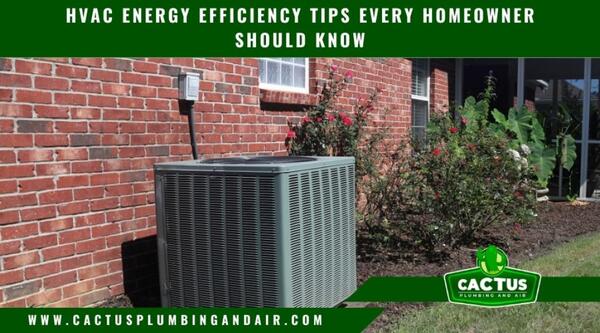
Maintaining HVAC energy efficiency is essential for reducing energy bills, improving indoor comfort, and lowering environmental impact. Efficient systems help you save money while ensuring your heating and cooling systems operate effectively. This guide will cover practical strategies every homeowner can follow to maximize energy efficiency in their HVAC systems and get the most out of their investment.
- Benefits of Energy Efficiency in HVAC Systems
- Top Strategies to Boost HVAC Energy Efficiency
- Schedule Regular Maintenance
- Replace or Clean Air Filters
- Clear Debris Around Outdoor Units
- How to Choose an Energy-Efficient HVAC System
- Upgrading to Modern HVAC Systems
- Benefits of Upgrading
- Tax Credits and Rebates for Energy Efficiency
- Federal Tax Credits
- State and Local Rebates
- Preventing Common HVAC Energy Efficiency Issues
- Seal Air Leaks
- Inspect and Clean Ductwork
- Avoid Overworking Your HVAC System
- Seasonal Tips for HVAC Energy Efficiency
- Winter Efficiency Tips
- Summer Efficiency Tips
- Future Trends in Energy-Efficient HVAC Systems
- Geothermal Heat Pumps
- AI-Powered Systems
- Renewable Energy Integration
- Improve Your HVAC Energy Efficiency Today
- Frequently Asked Questions
- What are SEER and EER ratings?
- How often should HVAC filters be replaced?
- Are smart thermostats worth the investment?
- Can sealing ducts improve HVAC efficiency?
- When should I replace my HVAC system?
- Take the Next Step Toward HVAC Energy Efficiency
Benefits of Energy Efficiency in HVAC Systems
Investing in energy-efficient HVAC systems offers several advantages:
- Lower Energy Bills: Efficient systems reduce energy consumption, significantly saving utility costs over time.
- Improved Indoor Comfort: Energy-efficient systems regulate temperature and humidity more effectively, creating a comfortable living environment.
- Reduced Environmental Impact: By consuming less energy, these systems decrease greenhouse gas emissions, helping the environment.
- Longer System Lifespan: Properly maintained efficient systems experience less wear and tear, extending their operational life.

Top Strategies to Boost HVAC Energy Efficiency
Schedule Regular Maintenance
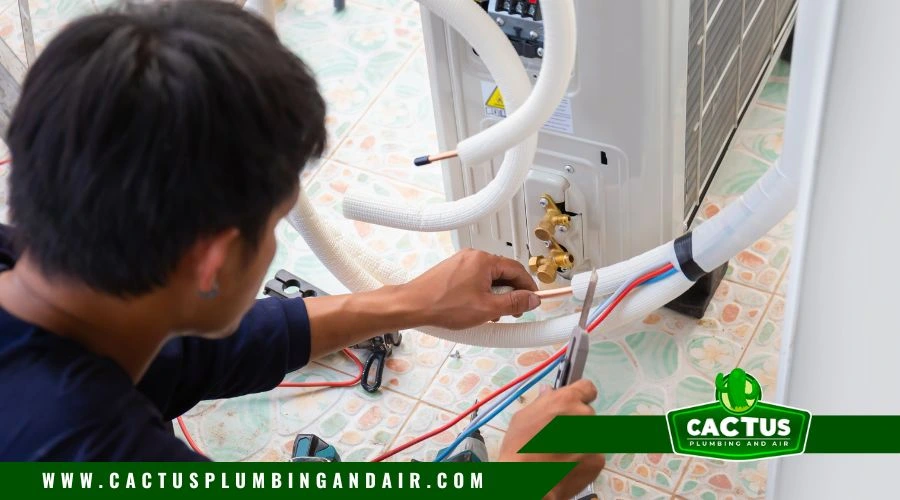
Annual tune-ups by professionals keep your HVAC system running efficiently. Inspections identify and address small issues before they turn into costly repairs.
Replace or Clean Air Filters
Dirty filters restrict airflow, forcing your system to work harder and consume more energy. Replace filters every 1-3 months, or as your HVAC technician recommends.
Clear Debris Around Outdoor Units
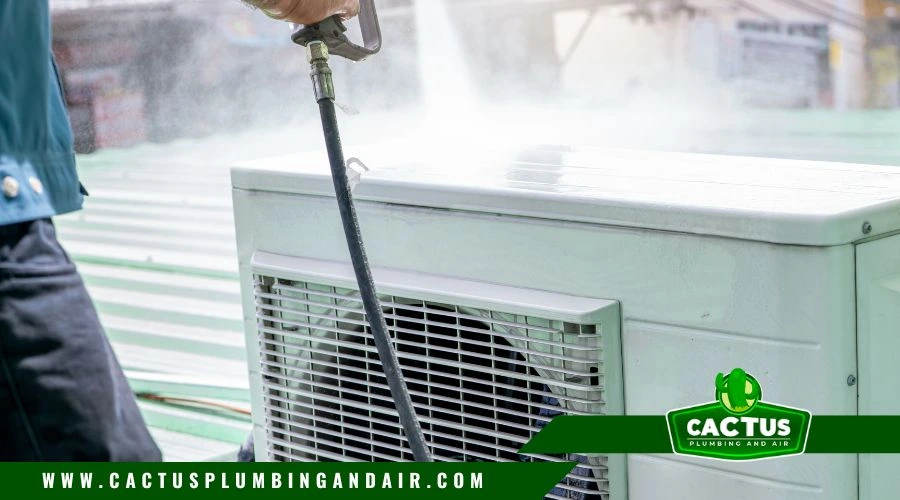
Keep outdoor units free from leaves, grass, and dirt. Obstructions can block airflow and reduce system efficiency. Regularly check and clean the area around the unit for optimal performance.
How to Choose an Energy-Efficient HVAC System
Choosing the right HVAC system can significantly improve energy efficiency. Consider these key factors:
- Home Size and Layout: A system that's too large or too small for your home can waste energy. Work with a professional to calculate the correct capacity for your space.
- SEER and EER Ratings: Look for systems with higher SEER and EER ratings. These indicate better energy efficiency, helping you save money over time.
- ENERGY STAR Certification: Select units with the ENERGY STAR label to ensure they meet strict energy-saving guidelines.
- Advanced Features: Consider modern options like smart thermostats, variable-speed motors, and zoned systems for better control and efficiency.
Upgrading to Modern HVAC Systems
Replacing outdated systems with modern, energy-efficient models can significantly lower energy consumption. Older systems often have low SEER or EER ratings, making them less effective and more expensive.
Benefits of Upgrading
- Lower Utility Bills: New systems consume less energy to heat or cool your home.
- Improved Reliability: Modern systems are built with advanced technology, reducing the risk of breakdowns.
- Enhanced Comfort: Better temperature control and quieter operation improve your living environment.

Tax Credits and Rebates for Energy Efficiency
Investing in energy-efficient HVAC systems can qualify you for tax credits and rebates, reducing the upfront cost of your upgrade.
Federal Tax Credits
The federal government offers tax credits for systems that meet specific efficiency criteria, such as high SEER or HSPF ratings.
State and Local Rebates
Many states and local utilities provide rebates for energy-efficient systems. Check with your utility provider to find out what incentives are available.
Preventing Common HVAC Energy Efficiency Issues
Even the most efficient HVAC systems can lose their effectiveness if common problems go unchecked. Leaks, blockages, and neglected maintenance can force your system to work harder, consuming more energy and shortening its lifespan. Addressing these issues can save you money and keep your home comfortable.
Seal Air Leaks
Air leaks around windows, doors, and ductwork can waste energy and force your HVAC system to work harder. Use caulking or weather stripping to seal leaks and maintain consistent indoor temperatures.
Inspect and Clean Ductwork
Dust and debris buildup in ductwork restrict airflow and reduce system efficiency. Regularly inspect and clean ducts to ensure optimal performance. Sealing ductwork also prevents conditioned air from escaping.
Avoid Overworking Your HVAC System
Don't rely solely on your HVAC system to regulate temperature. Use ceiling fans and blinds to help maintain comfort without straining your system.
Seasonal Tips for HVAC Energy Efficiency
Maintaining energy efficiency throughout the year requires seasonal adjustments to your habits and HVAC settings. Simple steps like using natural light in the winter and shading your windows in the summer can make a big difference. Here are specific tips for each season to help you save energy.
Winter Efficiency Tips
- Open blinds daily to let in sunlight and naturally warm your home.
- Seal drafts around windows and doors to prevent heat loss.
- Set your thermostat to a lower temperature when you're away or asleep.
Summer Efficiency Tips
- Close blinds and curtains during the hottest parts of the day to block heat.
- Use ceiling fans to circulate air and reduce the load on your air conditioner.
- Set your thermostat a few degrees higher when you're not home.
Future Trends in Energy-Efficient HVAC Systems
The HVAC industry continually evolves, introducing technologies that make heating and cooling systems more efficient and environmentally friendly. Innovations such as geothermal heat pumps, AI-driven systems, and renewable energy integrations are shaping the future of HVAC energy efficiency.
Geothermal Heat Pumps
These systems use the ground's stable temperature to heat and cool your home. They are highly efficient and environmentally friendly.
AI-Powered Systems
Artificial intelligence is integrated into HVAC systems to optimize performance and predict maintenance needs. This reduces energy waste and extends system life.
Renewable Energy Integration
More systems are designed to work with solar and wind energy, reducing environmental impact and operating costs.
Improve Your HVAC Energy Efficiency Today
Enhancing your HVAC energy efficiency effectively lowers utility bills, improves indoor comfort, and reduces environmental impact. You can enjoy significant long-term benefits by prioritizing regular maintenance sealing air leaks, and considering upgrades to modern, energy-efficient systems. For expert guidance and services, contact Cactus Plumbing And Air for tailored solutions that meet your needs.
Frequently Asked Questions
What are SEER and EER ratings?
SEER (Seasonal Energy Efficiency Ratio) measures the cooling efficiency of an HVAC system over a season, while EER (Energy Efficiency Ratio) measures efficiency under specific conditions. Higher ratings indicate better energy efficiency, helping to save energy and costs.
How often should HVAC filters be replaced?
Depending on usage, filter type, and indoor air quality, HVAC filters should be replaced every 1-3 months. Regular replacements ensure proper airflow and system efficiency.
Are smart thermostats worth the investment?
Yes, smart thermostats are worth it. They optimize temperature settings based on your schedule and preferences, helping you save energy and money on utility bills.
Can sealing ducts improve HVAC efficiency?
Absolutely. Sealing ducts prevent conditioned air from escaping, which helps your HVAC system work more efficiently and reduces energy waste.
When should I replace my HVAC system?
Consider replacing your HVAC system if it is over 15 years old, frequently needs repairs, or has a low SEER rating. Upgrading to a modern, energy-efficient system can save money and improve performance.
Take the Next Step Toward HVAC Energy Efficiency
Maximizing HVAC energy efficiency can save money and improve your home's comfort. For assistance with routine maintenance, energy-efficient upgrades, or expert advice, contact Cactus Plumbing And Air at (480) 933-7732. Their skilled team is ready to help you achieve optimal efficiency and long-term savings. Homeowners in the Chandler area can count on our team for expert AC repair in Chandler to keep your system running efficiently through the desert heat.
Even a well-maintained system can struggle during a brutal Surprise summer. When cooling performance drops, our team provides prompt, reliable AC repair in Surprise to restore comfort quickly.
Recent Posts
-

How to Unclog a Bathroom Sink
Nov 23, 2025 -
What is a Sewer Cleanout and How to Locate It
Oct 27, 2025