- What Are Galvanized Pipes?
- Common Problems with Galvanized Plumbing
- 1. Corrosion and Rust Buildup
- 2. Low Water Pressure
- 3. Discolored Water
- 4. Risk of Leaks
- 5. Health Concerns
- Bonus Insight: Lifespan Comparison
- Signs You May Have Galvanized Pipes
- Modern Alternatives to Galvanized Plumbing
- 1. Copper Pipes
- 2. PEX Pipes
- 3. PVC Pipes
- Why Reliable Plumbing Matters
- The Impact on Daily Life
- Trust Cactus Plumbing and Air in Mesa, AZ
- Frequently Asked Questions
- How much time does it take to replace galvanized pipes?
- What are the warning signs of a major pipe leak?
- Are galvanized pipes safe for drinking water?
- Whatâs the best replacement material for galvanized pipes?
- How do I know if I have galvanized pipes in my home?
- Bonus Insight: Lifespan Comparison
- Protect Your Home from Plumbing Problems
Did you know the pipes hidden behind your walls could be causing rusty water and low pressure? If your home still relies on galvanized plumbing, you’re likely dealing with galvanized plumbing problems that could lead to bigger risks, like leaks and health concerns. These once-popular pipes are now infamous for their issues, making it crucial to understand their risks and explore modern alternatives for a safer, more efficient plumbing system.
In this guide, we’ll break down the common problems with galvanized pipes, how to identify them, and the best solutions for upgrading your home’s plumbing.

What Are Galvanized Pipes?
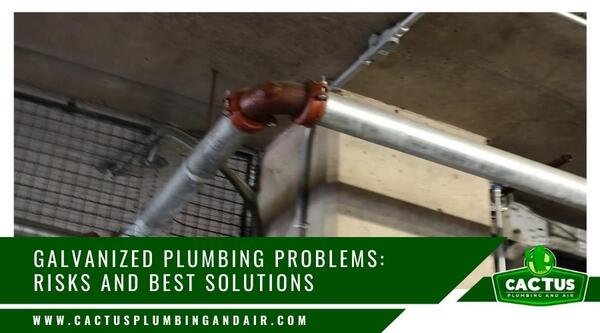
Galvanized pipes are steel pipes coated with a zinc layer to resist rust and corrosion. While this technology was innovative decades ago, the zinc layer deteriorates over time, leaving the steel exposed to water and air. As a result, these pipes are prone to rust, leaks, and other complications, making them an outdated choice for modern homes.
To better understand their drawbacks and explore modern alternatives, here’s a comparison of galvanized pipes and other commonly used materials:
| Feature | Galvanized Pipes | Copper Pipes | PEX Pipes | PVC Pipes |
| Lifespan | 40–50 years | 50+ years | 25–40 years | 50+ years (in drainage systems) |
| Corrosion Resistance | Prone to rust and corrosion | Highly resistant to corrosion | Corrosion-proof | Corrosion-proof |
| Lead Contamination Risk | High (if zinc layer deteriorates) | None | None | None |
| Installation Difficulty | High (heavy and hard to cut) | Moderate (requires soldering) | Low (lightweight and flexible) | Low (lightweight and easy to cut) |
| Water Pressure Impact | Decreases over time (rust buildup) | Minimal impact | Minimal impact | Minimal impact |
| Environmental Impact | Moderate (steel can be recycled) | Moderate (requires mining of copper) | Low (recyclable and minimal energy use) | Low (recyclable and low energy use) |
| Best Use Case | Older homes (outdated material) | Hot and cold water supply lines | Residential and commercial plumbing | Drainage and vent systems |

Common Problems with Galvanized Plumbing
Galvanized pipes may have been reliable decades ago, but their age and design often lead to significant issues in modern homes. Below are the most common problems homeowners face to help you understand their impact.
1. Corrosion and Rust Buildup
As the zinc coating wears off, rust accumulates inside the pipes. This buildup can significantly reduce the pipe’s capacity to carry water, leading to clogs and further damage. According to the American Water Works Association, galvanized pipes fail more frequently than copper or PEX due to internal corrosion.
2. Low Water Pressure
Corroded pipes restrict water flow, resulting in reduced pressure. This can turn simple tasks like showering or washing dishes into a frustrating experience.
3. Discolored Water
Rust particles from corroded pipes can give your water an unpleasant yellow or brown tint. While not always harmful, discolored water is a clear indicator that your plumbing needs attention.
4. Risk of Leaks
Corrosion weakens the pipe walls, increasing the likelihood of leaks or even bursts, which can cause significant water damage if not addressed promptly.
5. Health Concerns
Older galvanized pipes may contain lead, which can leach into your water supply as the pipes degrade. This is especially concerning for families with children or those who rely on tap water for cooking and drinking.
Bonus Insight: Lifespan Comparison
The lifespan of galvanized pipes is typically 40–50 years, significantly shorter than alternatives like copper (50+ years) or PEX (25–40 years). If your home is older than 50 years and hasn’t had a plumbing upgrade, your galvanized pipes are likely well past their prime.

Signs You May Have Galvanized Pipes
Identifying galvanized pipes in your home is critical for addressing potential issues. Here are the most valuable clues to look for:
- Visual Inspection: Galvanized pipes are gray or metallic and often show visible signs of rust on the exterior.
- Magnetic Test: Steel is magnetic, unlike copper or plastic. Use a magnet to test your pipes if you’re unsure of the material.
- Frequent Plumbing Issues: Repeated problems like low water pressure or discolored water could point to galvanized pipes.
- Property Age: Homes built before 1960 commonly used galvanized piping. If your home hasn’t undergone a plumbing upgrade, these pipes may still be present.
If you notice any of these signs, scheduling a professional inspection can confirm whether galvanized pipes are the root of your plumbing problems.
Modern Alternatives to Galvanized Plumbing
Upgrading from galvanized pipes to modern materials offers peace of mind and long-term reliability. Here are the top choices for homeowners:
1. Copper Pipes
Copper pipes are a premium choice, known for their durability and resistance to corrosion. They can last 50 years or more and require minimal maintenance, making them a long-term investment for your home.
2. PEX Pipes
PEX pipes are a budget-friendly alternative, offering flexibility, ease of installation, and a lifespan of 25–40 years. They’re an excellent choice for homeowners seeking an efficient and cost-effective solution.
3. PVC Pipes
PVC pipes are commonly used for drainage systems. They are lightweight, resistant to corrosion, and a reliable option for certain plumbing applications, though they are not typically used for hot water lines.
Why Reliable Plumbing Matters
Reliable plumbing isn’t just about water flowing through your pipes—it’s about safeguarding your home, health, and daily peace of mind. Without a dependable system, small plumbing problems can quickly escalate into costly and stressful situations.

The Impact on Daily Life
Imagine this: You wake up one morning to find water pooling in your kitchen because a corroded pipe has burst overnight. Or worse, you discover that the discolored water you’ve been brushing your teeth with contains lead, posing a serious health risk to your family. These aren’t hypothetical scenarios; they’re real risks associated with aging or damaged plumbing systems.
Here’s how reliable plumbing helps you avoid these headaches:
- Prevents Water Damage: A burst pipe can cause extensive damage to your walls, floors, and belongings, leaving you with expensive repairs and the hassle of cleanup.
- Protects Your Health: Reliable plumbing ensures that harmful contaminants like rust or lead don’t enter your water supply, providing safe water for drinking, cooking, and bathing.
- Maintains Convenience: A dependable system means consistent water pressure, clear water, and no unexpected leaks, so your daily routines remain uninterrupted.
By investing in a reliable plumbing system, you’re ensuring a safer, more efficient home for your family today and for years to come.

Trust Cactus Plumbing and Air in Mesa, AZ
If galvanized plumbing problems are impacting your home, it’s time to act. Cactus Plumbing and Air in Mesa, AZ, is your trusted plumber Mesa partner for reliable plumbing solutions. Our experts are ready to assess your plumbing system and recommend modern alternatives tailored to your needs. Contact us today for professional advice and services you can count on.
Frequently Asked Questions
How much time does it take to replace galvanized pipes?
Replacing galvanized pipes typically takes anywhere from a few days to a week, depending on the size of your home and the extent of the plumbing network. A professional plumber can provide a more accurate timeline after assessing your system.
What are the warning signs of a major pipe leak?
Watch for signs like water stains on ceilings or walls, a sudden drop in water pressure, unusual noises like hissing, or a noticeable spike in your water bill. These can all indicate a serious leak in your plumbing system.
Are galvanized pipes safe for drinking water?
Over time, corroded galvanized pipes can release lead and rust into your water supply, posing health risks. If you suspect issues with your water quality, consider testing it and consulting a professional plumber.
What’s the best replacement material for galvanized pipes?
Popular replacements include copper, PEX, and PVC pipes. Each option offers specific benefits, such as durability, flexibility, or affordability, depending on your needs and budget.
How do I know if I have galvanized pipes in my home?
Check exposed pipes for a gray or metallic color, test them with a magnet (galvanized steel is magnetic), and consider the age of your home. Homes built before 1960 are likely to have galvanized plumbing unless updated.
Protect Your Home from Plumbing Problems
Don’t let problems with galvanized pipes compromise your home’s safety and functionality. Call Cactus Plumbing and Air in Mesa, AZ, for professional inspections, expert advice, and reliable solutions tailored to your needs. Our team specializes in resolving issues with galvanized plumbing and upgrading systems for better water quality and efficiency. Schedule your consultation today and enjoy worry-free plumbing for years to come!
Recent Posts
-

How to Unclog a Bathroom Sink
Nov 23, 2025 -
What is a Sewer Cleanout and How to Locate It
Oct 27, 2025